
Table of Contents
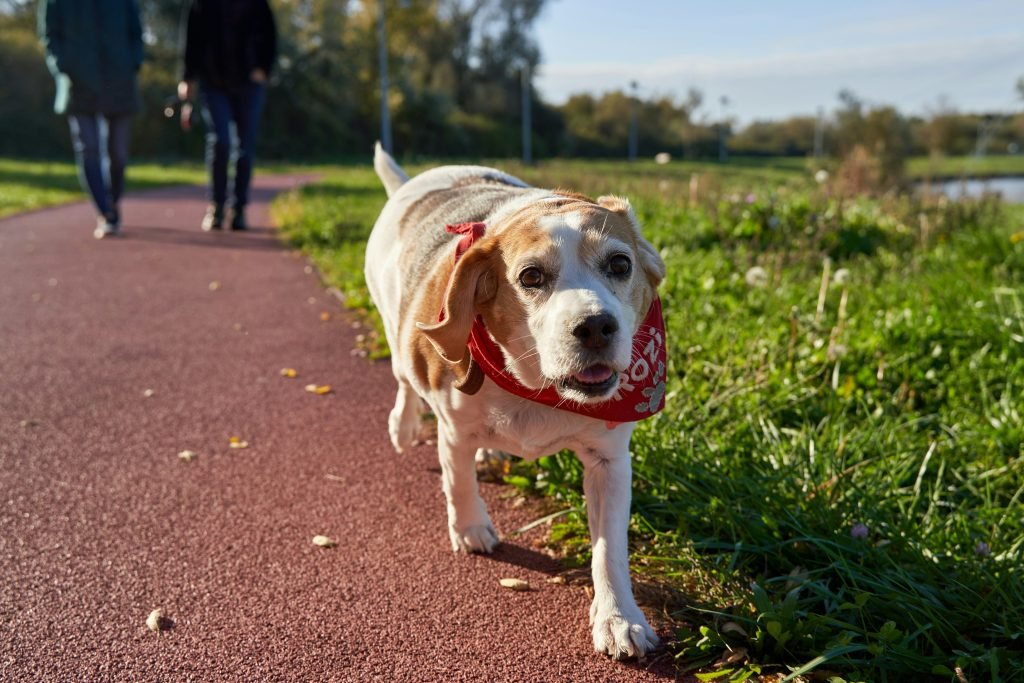
Changes in movement can be easy to miss at first, especially when they develop slowly and a dog still seems eager to participate in daily life. Arthritis in dogs often begins with small adjustments, such as taking longer to stand, avoiding slippery floors, or choosing rest over play, which can quietly affect comfort long before obvious pain appears. Recognizing these early patterns allows families to respond thoughtfully rather than assuming the changes are simply part of normal aging.
From a clinician standpoint, a very common pattern is a dog that still wants to engage socially but moves with caution, especially after rest or in colder weather. The triage question that helps guide urgency is whether appetite, alertness, and overall energy remain stable, since that often suggests a chronic joint issue rather than an acute emergency. When those background signs stay steady, the next step is careful observation at home and planning a routine evaluation rather than waiting for sudden deterioration.
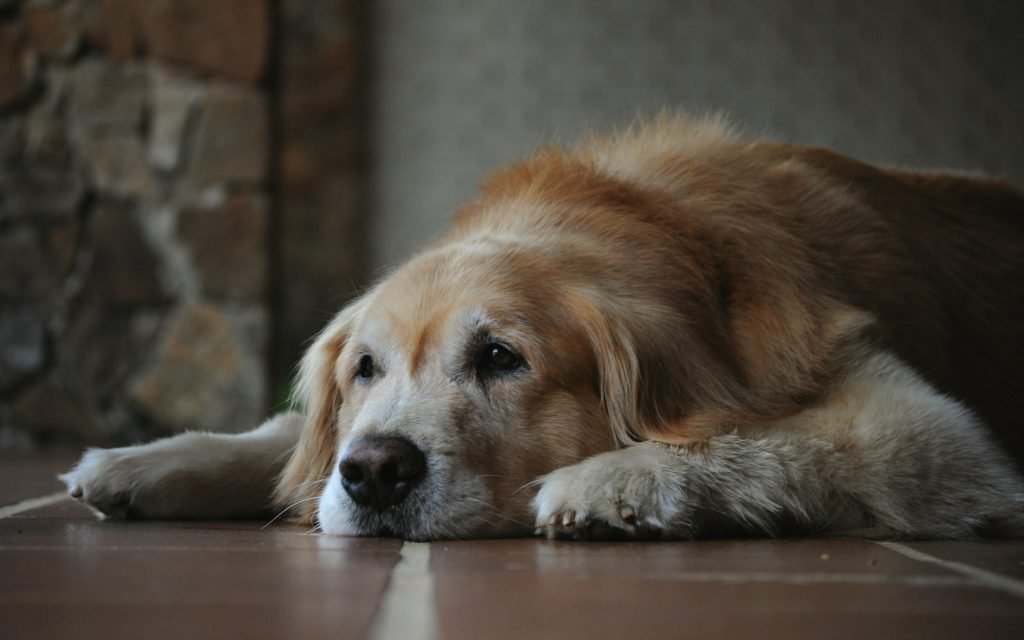
Quick answer: Early arthritis in dogs shows up as subtle compensation — taking longer to stand, shortening stride, choosing rest over play, or stiffness that eases once they warm up. It’s rarely dramatic at first. Management combines medication, regular low-impact movement, environmental changes (non-slip floors, supportive bedding), and weight control. The earlier it’s caught, the more you can do to slow it down.
WHY ARTHRITIS IN DOGS LOOKS DIFFERENT THAN OWNERS EXPECT
Early arthritis rarely presents as constant limping or obvious distress, which is why it can go unnoticed for months. Instead, dogs compensate by shifting weight, shortening their stride, or resting more frequently, behaviors that are subtle but meaningful. These adaptations reduce joint stress but also signal that inflammation is already changing how the joint functions.
An interesting aspect of early joint disease is how quickly muscles can weaken when movement becomes guarded. Reduced muscle support increases joint load, which accelerates discomfort even if cartilage damage is still mild. This relationship between muscle strength and joint health explains why maintaining safe, regular movement often matters as much as treating pain itself.
What is happening inside an arthritic joint
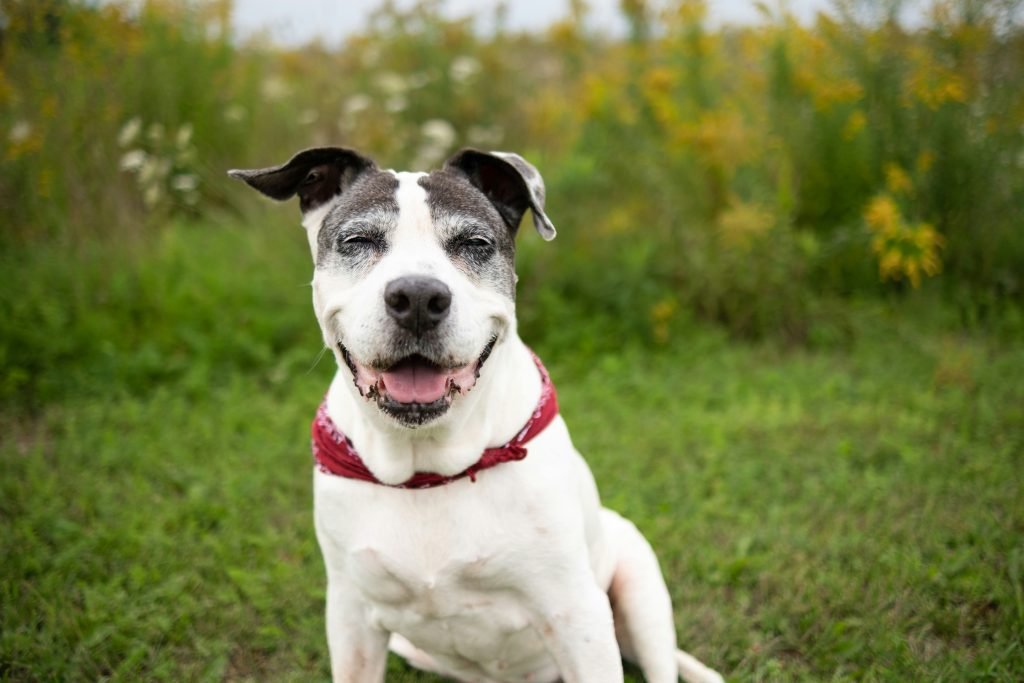
Arthritis develops when the smooth cartilage that cushions joints begins to wear and the joint environment becomes inflamed. This inflammation alters the joint fluid, making movement less efficient and more uncomfortable, especially after periods of rest. As a result, dogs may appear stiff at first but loosen up slightly once they start moving.
Another emerging topic in veterinary medicine is the role of low-grade, ongoing inflammation throughout the body. Excess body weight, limited conditioning, and even chronic stress can amplify joint inflammation, worsening symptoms beyond what imaging alone might suggest. Understanding this broader picture helps explain why arthritis management often extends beyond the joint itself.
Treatment options beyond pain relief alone
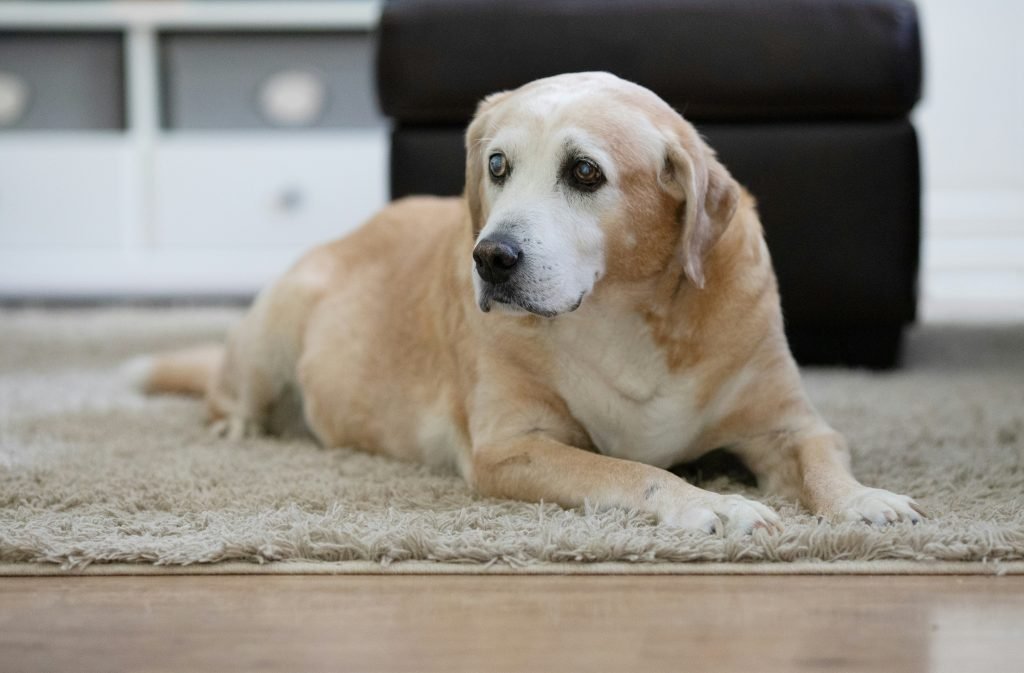
Managing arthritis works best as a layered approach — each strategy below reinforces the others, and medications alone rarely deliver the full benefit.
| Approach | What it does | Example adjustments |
|---|---|---|
| Medication | Reduces pain and joint inflammation | NSAIDs and newer joint-targeted treatments — always vet-prescribed |
| Exercise | Maintains muscle support that protects the joint | Short, regular walks; avoid sudden bursts that strain stiff joints |
| Environment | Reduces daily joint strain without limiting independence | Non-slip flooring, orthopedic bedding, ramps instead of stairs |
| Weight management | Lowers the load on every step | Even modest weight loss meaningfully reduces inflammation and slows progression |
Living well with arthritis over the long term
Long-term arthritis management focuses on preserving enjoyment of life rather than eliminating all limitations. Many dogs remain happy and engaged when activities are adapted to their comfort level, such as shorter walks taken more often or low-impact play that avoids sudden strain. Mental enrichment remains just as important as physical activity during this stage.
Anticipatory care is another valuable concept, meaning adjustments are made before discomfort escalates rather than reacting after setbacks occur. Consistent monitoring of movement, posture, and recovery time after activity provides useful insight during veterinary visits. With steady attention, arthritis becomes a manageable condition rather than a defining one.
Further Reading
Signs Your Dog Is Becoming a Senior and What Vets See Early explains the broader picture of how dogs age — slowing on walks, coat changes, lighter sleep, and appetite shifts — so you can tell what is normal senior transition versus early signs of a joint or health problem that deserves closer attention.
For owner-friendly guidance on Arthritis in Dogs and joint disease, see the AAHA osteoarthritis in pets guide.
Dog Dementia: Helping Older Dogs With Confusion at Home covers a condition that can develop alongside arthritis in older dogs — disorientation, restlessness, and changed routines — and offers practical guidance for supporting a dog whose mental clarity is beginning to shift.
Was the article helpful?