
Table of Contents
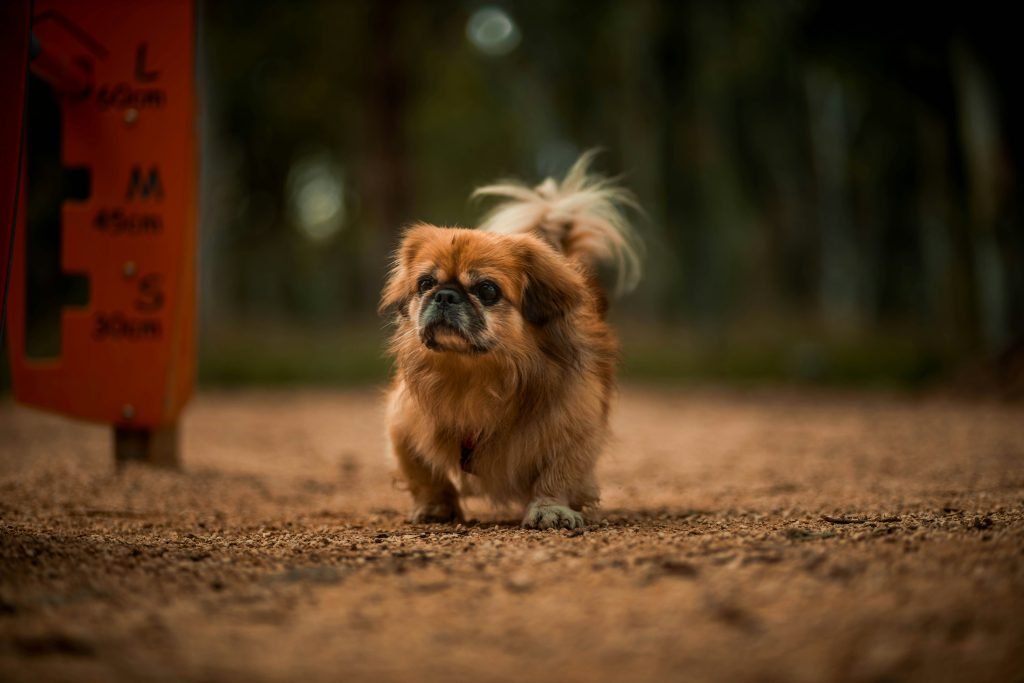
Dogs age more quickly than people, and the shift into the senior stage often happens gradually. Signs your dog is becoming a senior can be easy to miss at first because they blend into everyday routines. From a veterinary perspective, these early changes matter because they help guide monitoring, prevention, and comfort as dogs age.
Many owners expect aging to look dramatic, but it is usually subtle and uneven. One change may appear months before another, and some dogs seem mentally young while their bodies slow down. Recognizing these patterns early allows age-related needs to be addressed before discomfort or disease interferes with quality of life.
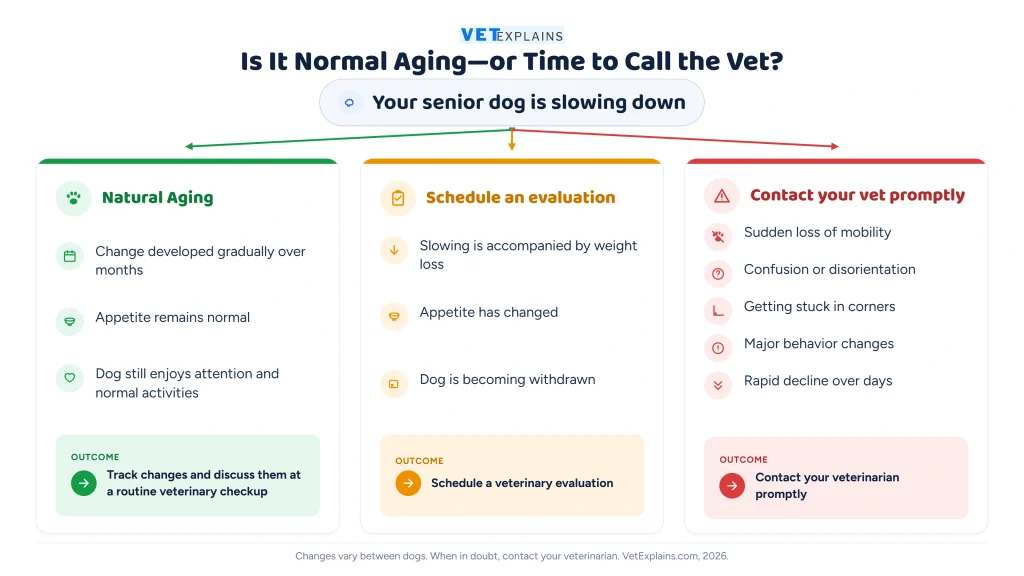
A common pattern is an older dog who still enjoys walks but takes longer to stand or lies down sooner afterward. That combination often suggests early joint stiffness rather than simple laziness. When this shift appears gradually and appetite stays normal, monitoring and routine evaluation are usually appropriate rather than urgent care.
Quick answer: Senior signs typically start between age 7 and 10 (earlier in large breeds) and include slowing on walks, taking longer to rise, lighter sleep, and gradual shifts in appetite or coat. Most early changes are normal aging. The time to call your vet is when slowing is paired with weight loss, appetite change, withdrawal, sudden confusion, or a rapid decline in mobility.
Why senior changes look different in every dog
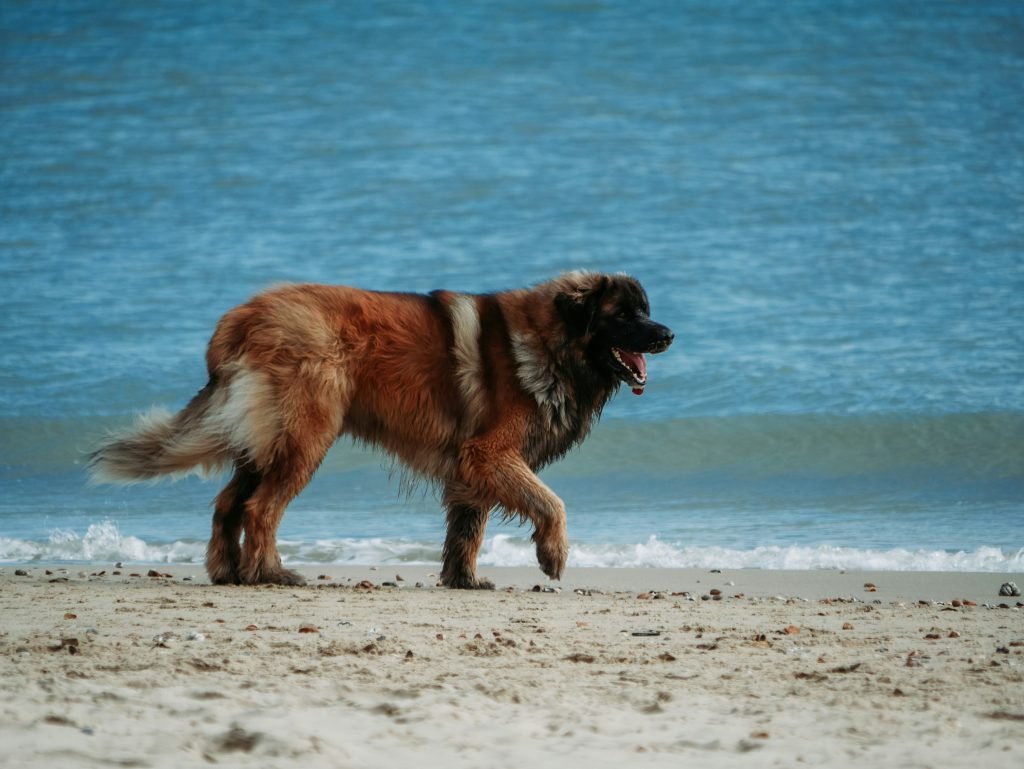
There is no single age when a dog becomes a senior because size, genetics, and lifestyle all influence aging. Larger dogs often show age-related changes earlier, while smaller dogs may not appear senior until later years. This variation explains why two dogs of the same age can look and behave very differently.
Veterinarians look less at the number of birthdays and more at functional changes. Mobility, stamina, digestion, and recovery time after activity provide better clues than age alone. These markers help determine when preventive care and monitoring should shift to a senior-focused approach.
Physical changes that often appear first
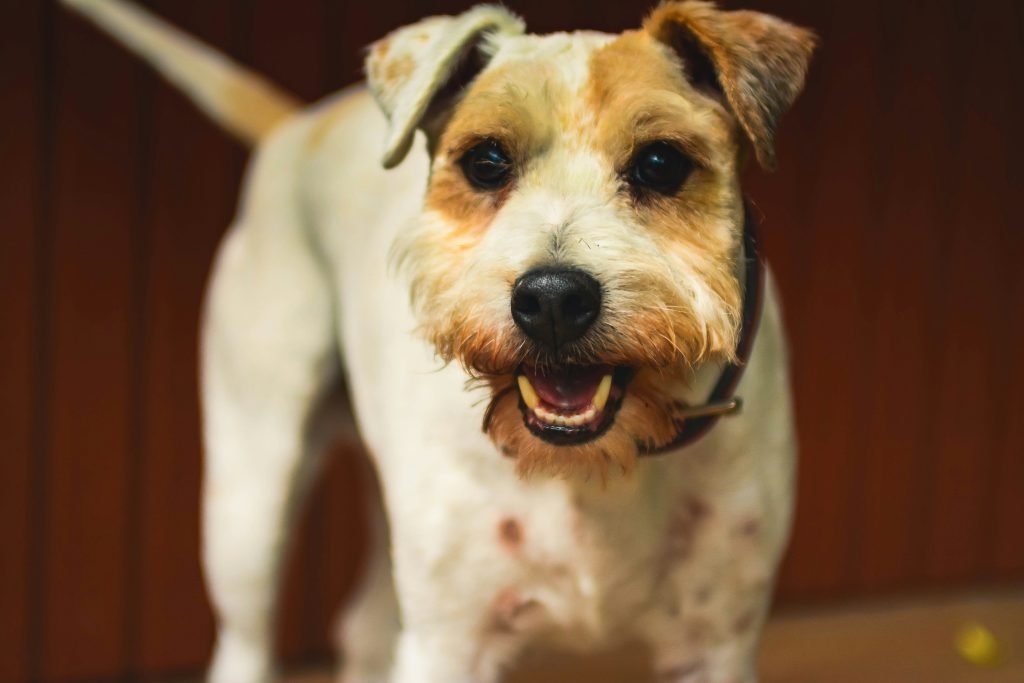
One of the earliest physical changes is reduced flexibility. Dogs may hesitate before jumping, stretch more after rest, or adjust how they climb stairs. These behaviors often reflect early joint wear rather than injury, especially when they progress slowly.
Muscle tone can also change with age, even when weight stays stable. A dog may look thinner over the hips or shoulders as muscle mass decreases. From a clinical standpoint, this matters because muscle loss can worsen balance and place more strain on aging joints.
Energy, sleep, and daily rhythm shifts
Senior dogs often conserve energy differently. They may still enjoy favorite activities but need longer rest afterward. Increased daytime sleeping paired with shorter bursts of activity is a common and usually normal aging pattern.
Sleep at night may also become lighter or more fragmented. Changes in sleep cycles can be linked to normal brain aging or discomfort that makes staying settled harder. Noting when and how sleep patterns change helps clarify whether aging alone or another factor is involved.
Digestive and appetite changes with age
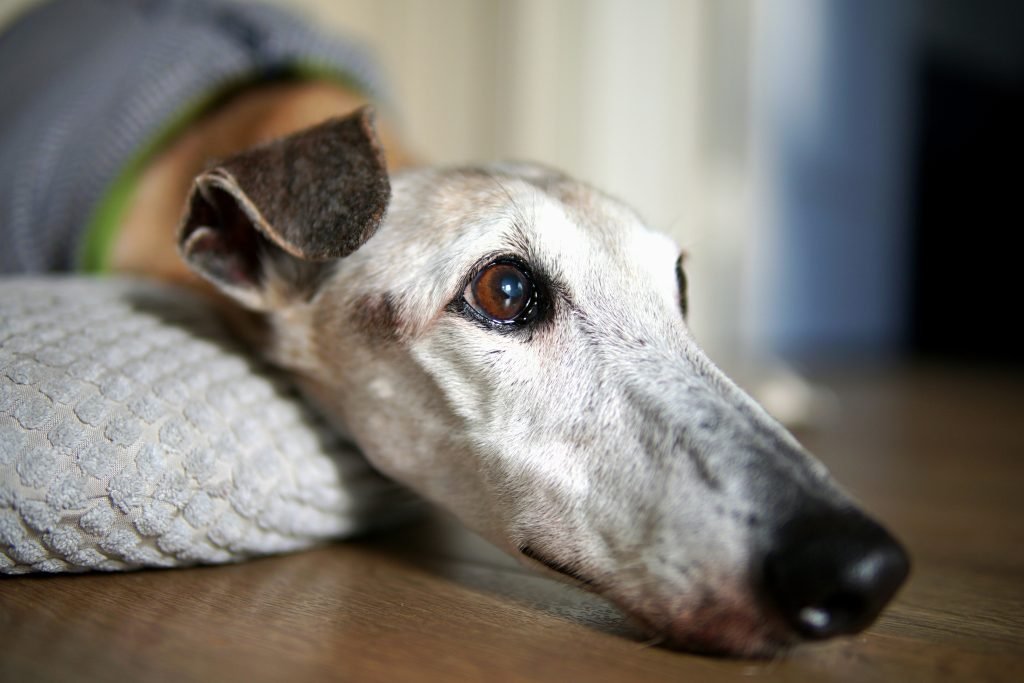
As dogs age, digestion often becomes less efficient. Some dogs develop a narrower comfort range with food, leading to softer stools or occasional constipation. These changes reflect slower gut movement and altered nutrient absorption rather than sudden illness.
Appetite can also shift subtly. A senior dog may eat more slowly or show less excitement at meals while still finishing food. From a veterinary view, consistency matters more than enthusiasm, and gradual changes are more meaningful than single skipped meals.
Behavior and awareness changes owners notice
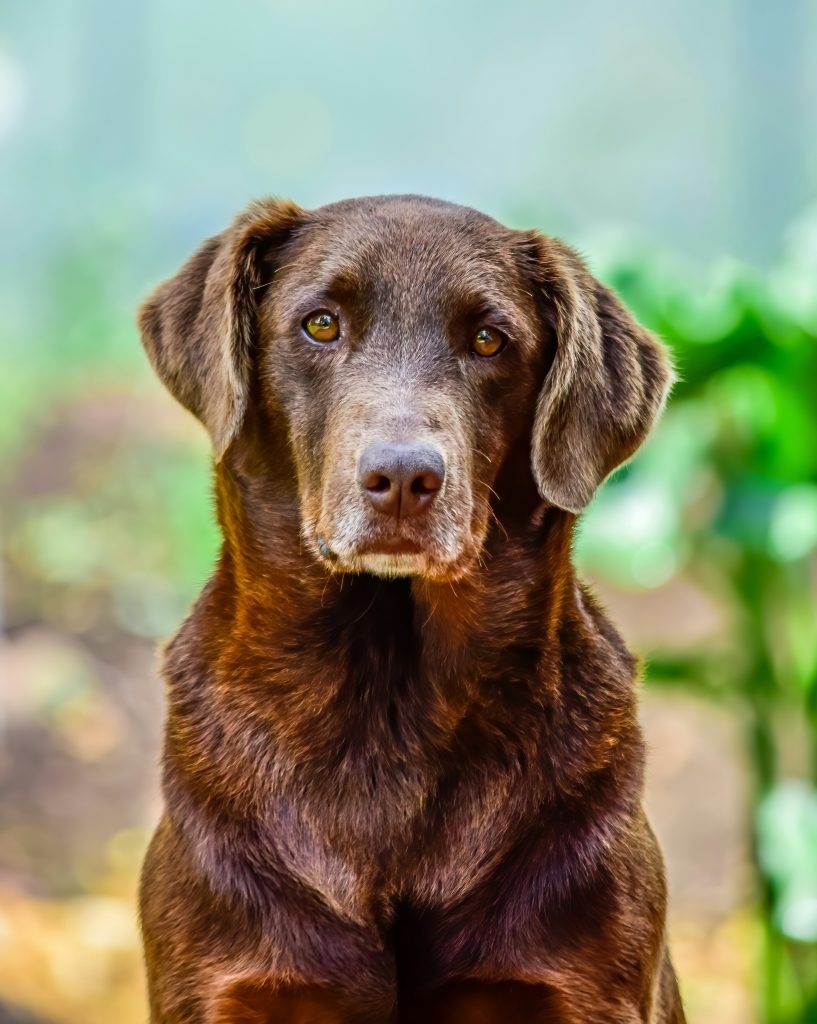
Mild behavior changes often accompany aging. A dog may seek more reassurance, follow family members more closely, or startle more easily. These shifts can reflect sensory changes such as reduced hearing or vision rather than anxiety alone. Some senior dogs appear less tolerant of busy environments. Slower processing speed and sensory decline can make loud or crowded situations tiring. Understanding this helps owners adjust expectations without assuming a personality change.
Coat, skin, and body condition clues
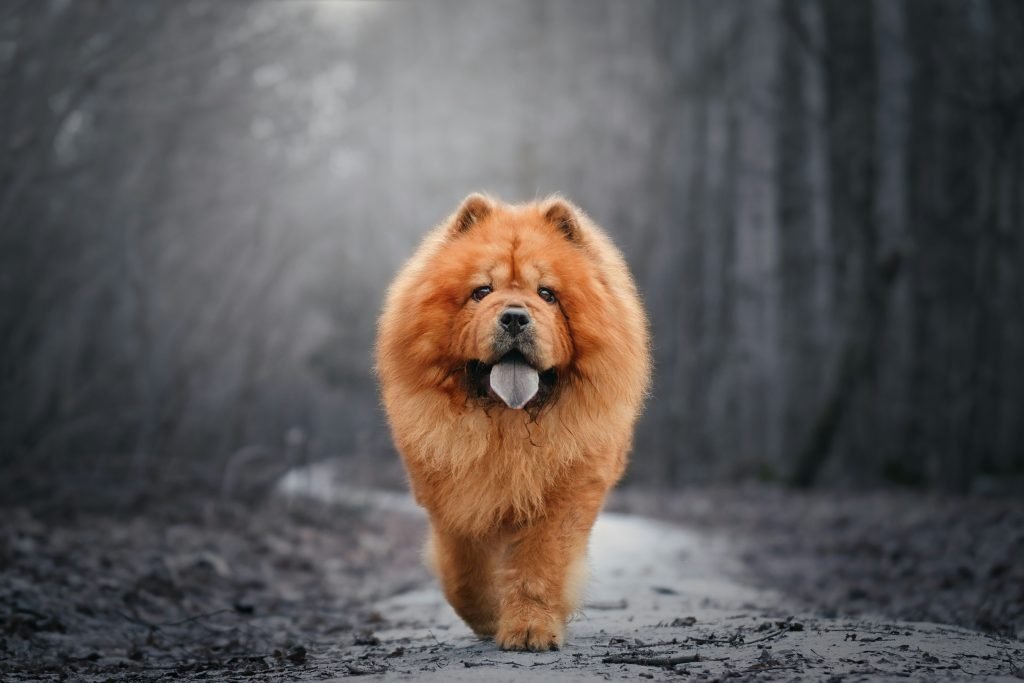
The coat often changes texture with age. It may feel drier, thinner, or grayer around the face. These changes occur as skin cell turnover slows and oil production decreases. Skin lumps become more common in senior dogs and are frequently benign. Clinically, the key is tracking growth rate and texture rather than reacting to every new bump. Gradual appearance over time is typical of aging skin.
When age-related changes deserve closer attention
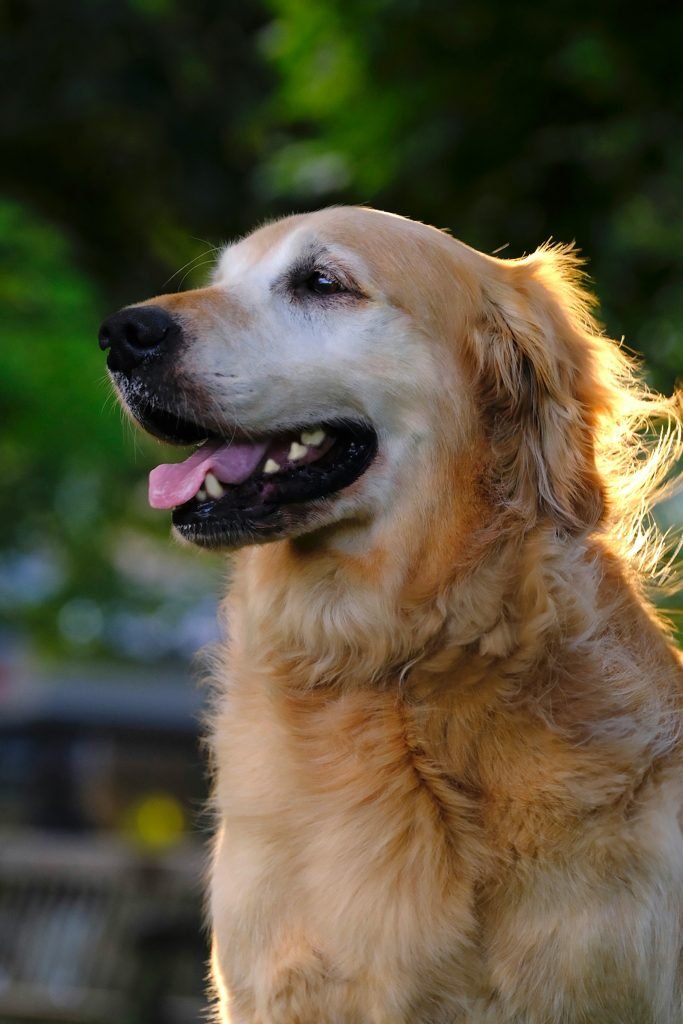
A dog who slows down but remains eager to eat and interact often reflects normal aging. If slowing is paired with weight loss, appetite change, or withdrawal, the meaning shifts toward possible illness. That combination warrants timely evaluation rather than watchful waiting.
Signs that go beyond normal aging — contact your vet promptly:
• Rapid or sudden loss of mobility
• Confusion, disorientation, or getting stuck in corners
• Marked behavior shifts (withdrawal, aggression, restlessness)
• Rapid decline over days rather than months
These patterns suggest something beyond the normal senior transition and deserve timely evaluation rather than watchful waiting.
What veterinarians focus on during senior transitions
Veterinary assessments for aging dogs emphasize trends over isolated findings. Gradual weight shifts, subtle gait changes, and evolving lab values provide context that a single visit cannot. This long view supports earlier adjustments in nutrition, activity, and monitoring.
From a clinical standpoint, the goal is not to label a dog as old but to support comfort and function. Aging is expected, while suffering is not. Early recognition allows aging to be managed with less disruption to daily life.
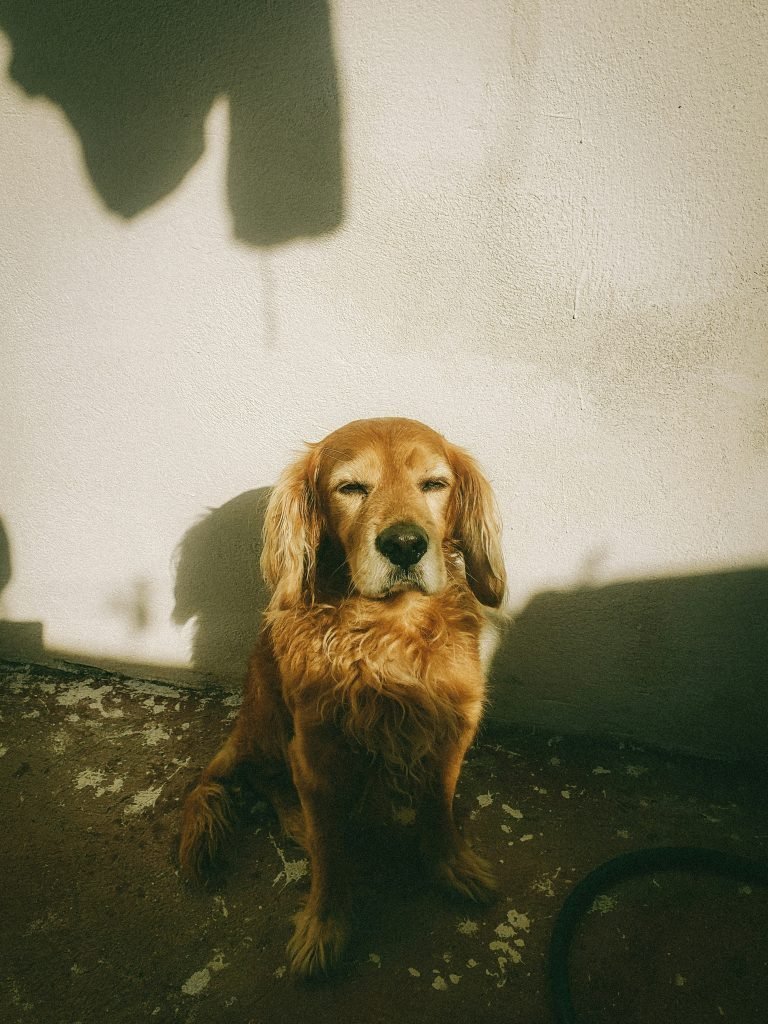
How owners can support dogs entering senior years
Observation is one of the most valuable tools owners have. Noting small shifts in routine, movement, and behavior over time creates a clear picture of aging progression. This information is often more useful than trying to recall changes months later.
Consistency and flexibility work together during this stage. Maintaining routines provides stability, while small adjustments support comfort. Aging does not mean giving up enjoyment, only adapting how it is experienced.
Further Reading
Arthritis in Dogs: Early Signs and Treatment Options Guide covers one of the most common conditions to develop during the senior years — joint changes that make rising, stairs, and exercise progressively harder — and explains what treatment and management options actually help.
For general guidance on age-related pet care, the American Veterinary Medical Association also encourages regular veterinary checkups as pets enter their senior years.Dog Dementia: Helping Older Dogs With Confusion at Home focuses on the cognitive side of aging — disorientation, restlessness, changed sleep patterns, and
getting stuck in corners — and offers practical guidance on supporting a dog whose awareness is starting to shift.
Was the article helpful?