
Table of Contents
Some dogs may benefit from dental chews, but they are not a replacement for brushing their teeth or getting professional dental care. The goal is to cut down on soft plaque and slow down the buildup of tartar while making sure that chewing is safe, low in calories, and beneficial for your dog’s mouth and health history. If you want to find the best dog dental chews, the best way to do it is to pick the right style of chew for your dog and use it every day.
In real life, I mostly see two types of dogs: those that chew a lot but swallow big pieces, and those that “gum” a chew without really touching their teeth. Both can cause problems or even disappointment, so the chew’s shape, texture, and your dog’s chewing style are more important than the label. The next step is to match the chew to your dog’s size and habits. Then, over the next few weeks, check their breath, gum redness, and visible tartar again.
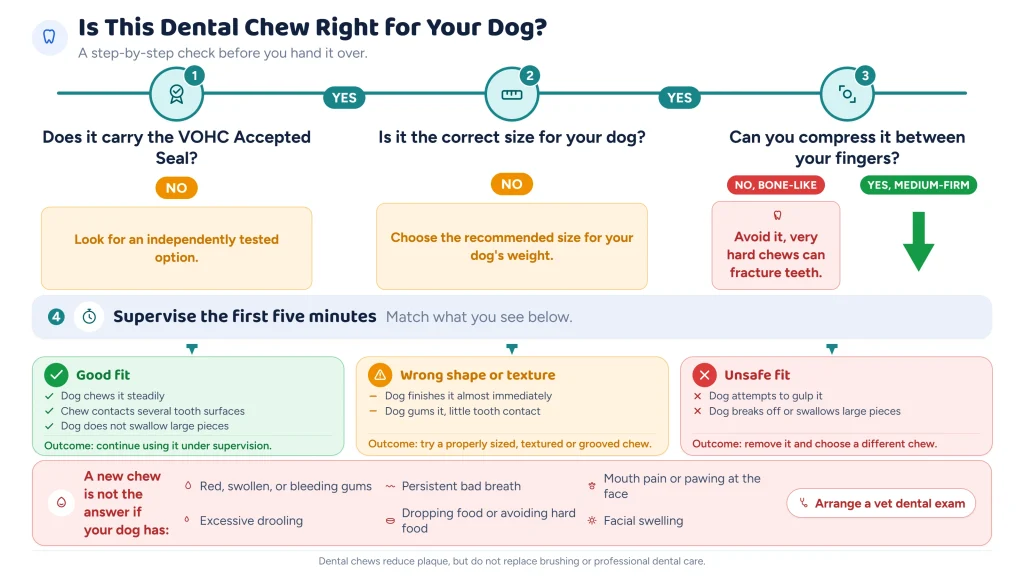
Quick answer: The most important thing on a dental chew label is the VOHC seal (Veterinary Oral Health Council) — it means the product was independently tested to reduce plaque or tartar, not just marketed that way. Shape, texture, and size matter as much as the brand: the chew needs to make actual contact with teeth for a few minutes of chewing, not get gulped in five seconds. Chews slow plaque buildup; they do not replace brushing or professional cleanings.
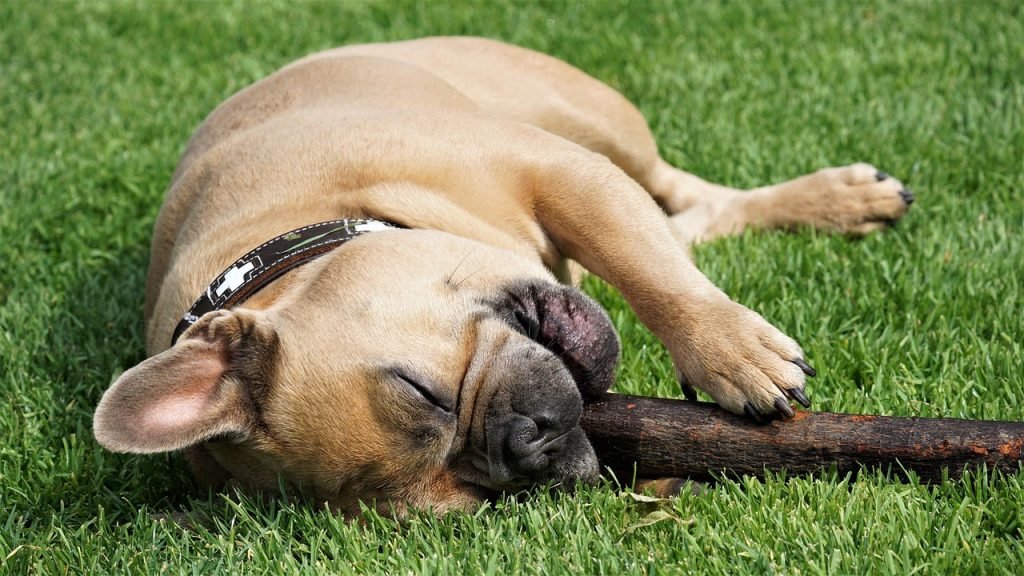
Why do some dogs like dental chews and others don’t?
A dental chew works mostly by rubbing against teeth in a controlled way and for a long time — but the texture has to be right:
- Semi-firm and a little flexible, not hard enough to crack a tooth if your dog bites down wrong
- Big enough that your dog can’t swallow it whole in a bite or two
- Textured or ridged so the surface actually scrapes plaque off as they chew
- Sized to your dog’s mouth and bite strength, not just their body weight
Look for chews that make your dog want to chew, bend a little, and take a while to work. Many dental products for dogs also try to kill bacteria in the mouth that cause plaque, but the results are different for each dog because their chewing habits and dental health are distinct.
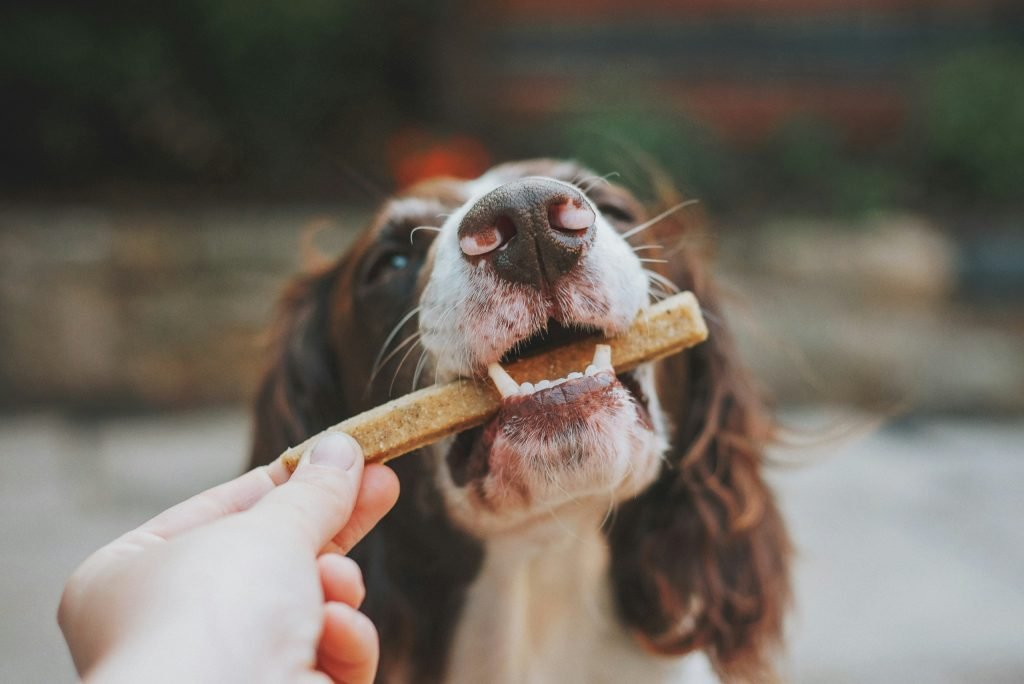
What should I look for on the label to avoid getting ripped off?
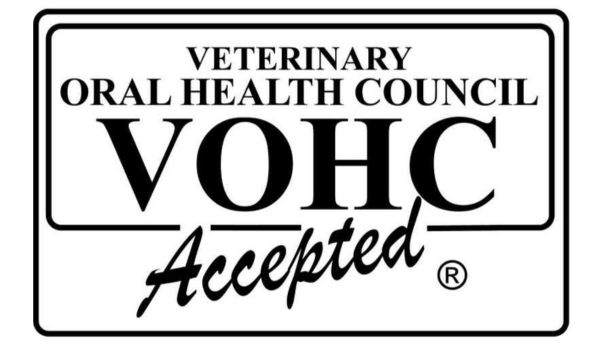
The approval from the Veterinary Oral Health Council, often shown as a VOHC seal, is the most important sign from a third party. Not every dog will love the chew, but it can reduce plaque and tartar.
Also think about the calories and the ingredients. Dental chews can add a lot to your dog’s daily diet without them even knowing it. Richer chews can upset the stomach or cause pancreatitis (from the Greek pankreas “sweetbread” + -itis “inflammation”) in dogs that are prone to it. Owners frequently observe their dogs vomiting, experiencing stomach pain, and feeling exhausted. Watch for these signs, since fatty treats can make some dogs seriously ill.
Which types of chews make the most contact with teeth?
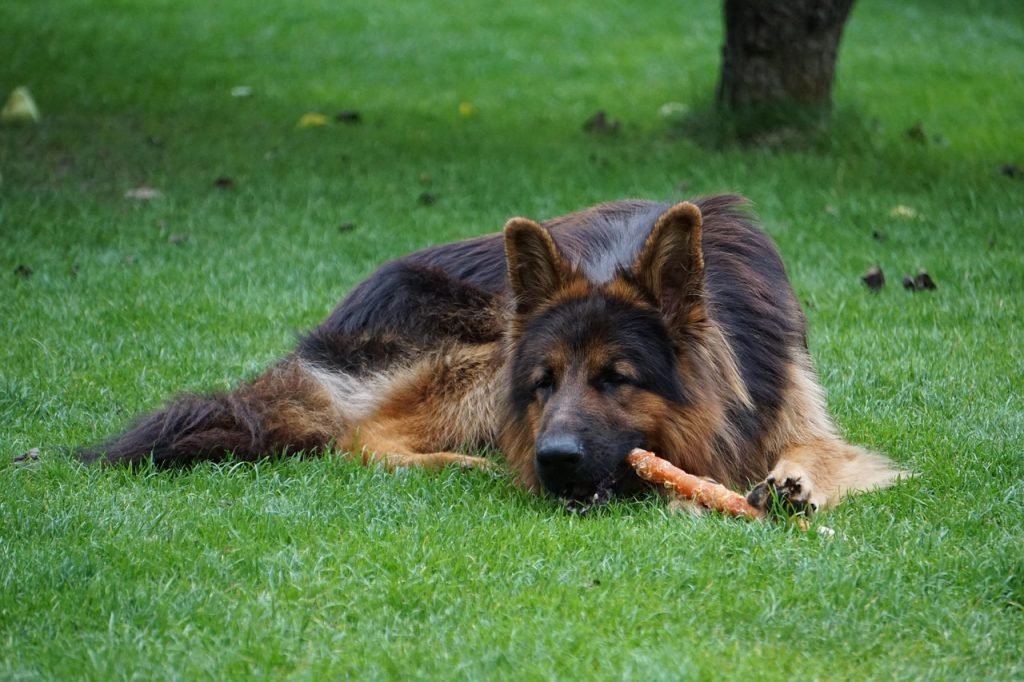
When I choose a chew style for a healthy adult dog, I look for ones that make more surface contact and slow down the chewing. If the dog actually chews on it instead of swallowing it, a toothbrush-shaped chew with grooves can help clean the teeth.
Quick test: if you can compress the chew between your fingers, it’s medium-firm — generally safer than very hard “bone-like” chews, which are more likely to fracture teeth. Give it when you can watch the first five minutes: if your dog tries to swallow big pieces, that chew isn’t right for them, even if the label says “dental health.”
How do I choose from a lot of popular dental chews without going overboard?
Several well-known products fall into a few general categories, summarized below. Match the type to your dog’s chewing style rather than picking by brand recognition alone:
| Chew Type | Best For | Example Product |
|---|---|---|
| Chewy, textured daily treat | Dogs that chew fully and haven’t swallowed big pieces before | GREENIES Original Dental Treats for Dogs |
| Firm vegetable-based chew | Dogs that finish soft chews too quickly | WHIMZEES by Wellness Dental Treats |
| Small, size-specific chew | Small dogs needing a controlled bite size | Purina DentaLife Daily Oral Care Dog Treats |
| Enzymatic chew | More visible tartar or bad breath, or maintenance after a professional cleaning | Virbac C.E.T. Enzymatic Oral Hygiene Chews for Dogs |
| Targeted anti-plaque chew | Persistent bad breath and plaque despite good home care | OraVet Dental Hygiene Chews for Dogs |
None of these replace treating dental disease that’s already below the gumline — see the next section for signs your dog needs an exam instead of a new chew.
When should you not give your dog dental chews?
Skip dental chews entirely if any of the following apply, and talk to your vet about alternatives:
- A known broken, cracked, or loose tooth, or a mouth still healing from recent dental surgery
- A history of swallowing chews whole instead of actually chewing them
- Pancreatitis or a fat-restricted diet, since many chews are calorie-dense
- A known allergy or sensitivity to an ingredient in the chew
The wrong chew texture can make pain worse or even break teeth.
If your dog has food allergies, inflammatory bowel disease, or a sensitive stomach, the ingredients in the treats can be just as important as the way they are made. In those cases, dental chews may still be possible, but you should look for a simpler ingredient list and try them out slowly and carefully instead of switching them out often.
What signs mean I should call the vet instead of switching chews?
Signs that dental disease has gone beyond what chews can address — see your vet:
• Bad breath that returns quickly even with daily chews
• Red, swollen, or bleeding gums
• Pawing at the mouth or resisting touch near the face
• Drooling more than usual
• Dropping food while eating, or avoiding hard kibble
• Any facial swelling
Dental chews reduce plaque on visible tooth surfaces; they cannot reach below the gumline where periodontal disease quietly progresses.
If you see a lot of tartar or your dog doesn’t want you to touch its mouth, it’s time to get an oral exam. Afterward, chews can be part of the plan, but they shouldn’t be the only one.
How can I make dental chews work better without spending more?
Brushing your dog’s teeth daily is still the most effective plaque-removal routine at home — chews work best as a complement to it, not a replacement. A simple routine:
- Brush your dog’s teeth once a day with a pet-safe toothpaste
- Offer one appropriately sized dental chew as a follow-up, not a substitute for brushing
- Watch the first few minutes each time to see how your dog actually chews it
- Keep up with professional dental exams and cleanings on your vet’s recommended schedule
Further Reading
Wet vs Dry Dog Food: Pros and Cons Explained for Owners covers how diet format affects more than just nutrition — including the role dry kibble and wet food play in tartar buildup and overall dental health, which directly informs how much work you’re asking your dental chews to do.
Signs Your Dog Is Becoming a Senior and What Vets See Early relevant because dental disease accelerates in older dogs — changes in appetite, reluctance to chew, and foul breath are often early signs of aging that get attributed to normal slowing-down when a dental exam is actually what’s needed.
Was the article helpful?