
Table of Contents
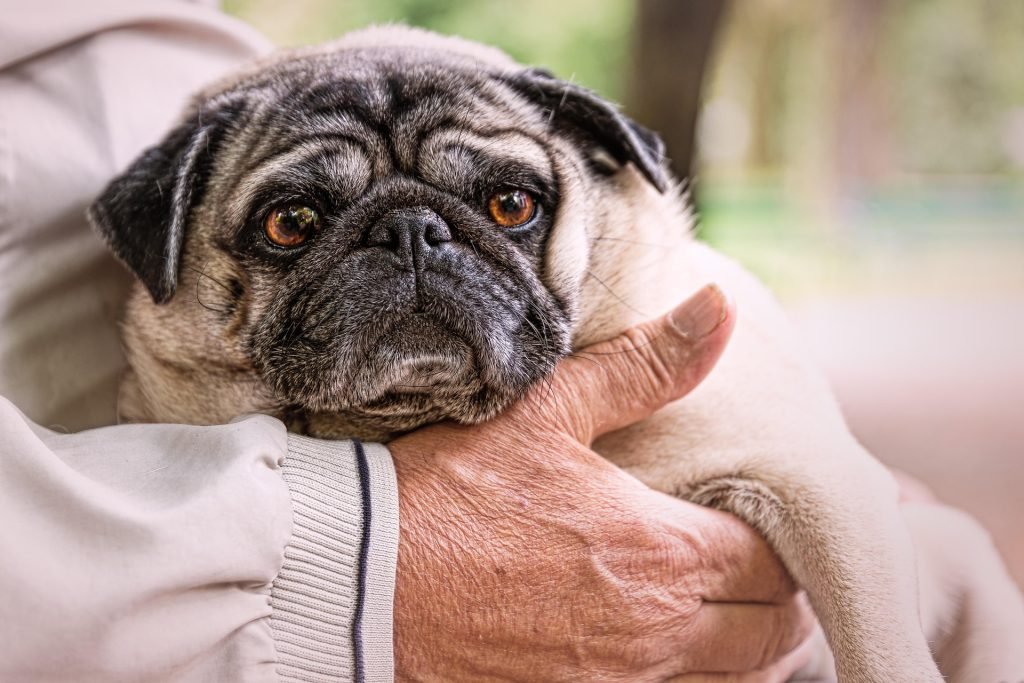
Many dogs develop subtle behavior changes as they move into their senior years. When those changes include new confusion, altered sleep, or forgotten habits, they may reflect cognitive dysfunction in dogs, often called dog dementia. The good news is that many families can make practical changes that improve comfort and reduce stress.
With cognitive dysfunction in dogs, a common pattern is a dog who seems fairly normal in daylight but paces, pants, or vocalizes after bedtime. When that shift builds gradually over months, it often fits age-related cognitive decline, especially if hearing or vision is fading too. When it appears suddenly over a few days, pain, infection, medication effects, or a neurologic problem moves higher on the list. Take a short video and call a veterinary clinic so the team can help you decide how soon your dog should be seen.
Cognitive dysfunction in dogs can feel personal because it changes how a dog interacts with the household. A few simple notes about timing and progression can make a visit much more productive.
Quick answer: Dog dementia (canine cognitive dysfunction) shows up as gradual changes in sleep, routine, spatial awareness, and interaction — not as a sudden event. Common early signs include nighttime restlessness, getting stuck behind furniture, forgetting house training, or being less responsive to familiar cues. There is no cure, but routine, environmental support, and sometimes medication can significantly improve quality of life and slow progression.
What Is Cognitive Dysfunction in Dogs?
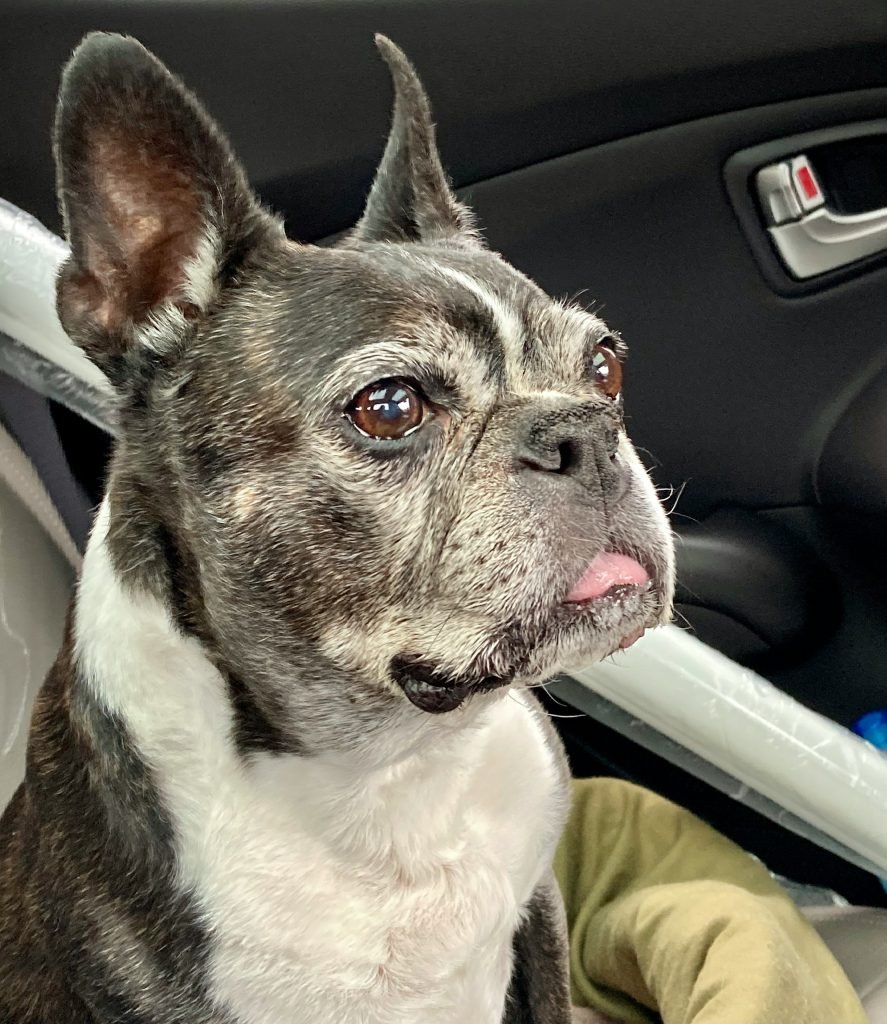
Canine cognitive dysfunction is a brain-aging syndrome that affects memory, learning, and the ability to process everyday cues. It is often compared to Alzheimer-like changes in people, including altered brain chemistry and oxidative stress that can disrupt sleep and attention. This is not a personality flaw; it is a medical change in how the brain works.
Normal aging can include slower movement or more naps, but it should not cause a steady loss of familiar skills. The pattern usually progresses slowly, which is why earlier recognition matters — owners often notice changes across several areas of a dog’s daily life:
- Disorientation in familiar rooms or spaces
- Changes in social interaction with family or other pets
- Sleep disruption, including nighttime waking
- New house soiling in a previously reliable dog
- Changes in activity level, higher or lower than before
- Increased anxiety or clinginess

What signs do owners notice first?
Nighttime restlessness is a common early complaint, and it can look like wandering, staring at walls, getting stuck behind furniture, or asking to go out repeatedly. Some dogs seem less responsive to spoken cues, which can be confusion, hearing loss, or both.
House training lapses can show up as urine accidents in a dog that has been reliable for years, especially overnight or when the household schedule shifts. You may also notice repetitive behaviors like licking or circling, or a shorter attention span on walks. Appetite changes are not typical on their own, so a clear increase or decrease in eating should prompt a medical check for other causes.
What else can look similar?
Many medical problems can mimic dementia because they change how a dog feels or senses the world. Arthritis pain, dental pain, and stomach upset can lead to pacing, panting, hiding, and sleep disruption. Vision loss, hearing loss, and vestibular disease (from the Latin vestibulum, “entrance chamber,” the inner-ear structures that control balance) can also make a dog appear disoriented, particularly in dim light or on stairs.
Hormonal and organ problems can affect behavior too, including thyroid disorders, kidney or liver disease, high blood pressure, and urinary tract infections. Some of these conditions cause thirst, nausea, or urgency to urinate, which can look like confusion or house soiling. Because the treatment approach is very different, an exam and basic lab work are often the fastest way to separate brain aging from a body problem that can be improved.
| Category | Examples | Can look like |
|---|---|---|
| Pain & senses | Arthritis, dental pain, vision loss, hearing loss, vestibular disease | Pacing, hiding, disorientation, sleep disruption |
| Hormonal & organ problems | Thyroid disorders, kidney or liver disease, high blood pressure, urinary tract infections | Increased thirst, nausea, house soiling |
When should you worry or seek urgent help?
Seek veterinary help urgently if your dog shows any of these — they are not normal aging:
• Collapse or inability to walk normally
• Seizure activity
• Persistent head tilt or unequal pupils
• Severe vomiting or diarrhea alongside confusion
• Intense distress that does not settle within minutes
These signs can indicate toxin exposure, stroke-like events, severe pain, or metabolic illness — not cognitive decline — and need same-day evaluation.
For slower changes, it is still reasonable to schedule a visit soon if nighttime pacing is frequent, accidents are increasing, or drinking and urination are clearly different. If your dog seems frightened in familiar spaces, safety matters, so block stairs, add traction, and avoid rearranging furniture while you sort out the cause. Short videos taken at home can help show what words miss.

What can you do at home to support routines?
Predictability lowers stress for many dogs with cognitive decline, so keep feeding, walks, and bedtime cues as consistent as possible. Gentle enrichment helps, but it works best when success is easy, such as short sniff walks, simple food puzzles, or brief cue practice with familiar rewards. If your dog becomes frustrated or frantic, shorten sessions and focus on calm repetition.
Small environmental changes can prevent many hard moments, and scolding for accidents or confusion tends to increase anxiety, so aim for quiet redirection and management instead:
- Night lights to reduce disorientation after dark
- Non-slip runners for dogs who hesitate on smooth floors
- More frequent potty breaks
- Easier access to water
- A quiet, consistent sleep area

What treatments might be discussed, and what is the outlook?
After an exam, a veterinarian may recommend bloodwork, urine testing, and sometimes blood pressure checks to rule out common mimics and identify treatable contributors. If the pattern fits cognitive decline, options may include medications that support brain signaling, diets formulated for senior brain health, and selected supplements such as omega-3 fatty acids or medium-chain triglycerides.
Cognitive decline is usually progressive, but the rate varies widely between dogs. Many families find that a combined plan reduces nighttime disruption and improves engagement during the day, even if it does not restore a younger brain. Reassessing every few months by noting sleep, appetite, accidents, and enjoyment of favorite activities helps you see whether things are steady or shifting.
Further Reading
AVMA senior pet care guidance gives helpful context for monitoring behavior and health changes in older pets.
Arthritis in Dogs: Early Signs and Treatment Options Guide covers a condition that frequently accompanies cognitive dysfunction in older dogs — joint pain that affects movement and rest, making it hard to tell whether restlessness, hesitation, or behavioral change is coming from the joints, the brain, or both.
Signs Your Dog Is Becoming a Senior and What Vets See Early places cognitive dysfunction within the broader context of aging — covering the full range of physical and behavioral changes that typically appear in the senior years, so you can see how dementia signs fit alongside joint, coat, appetite, and energy changes.
Was the article helpful?