

Table of Contents

Introduction to Liver Blood Work in Dogs
When your veterinarian recommends liver blood work, it can feel unsettling — the liver handles hundreds of metabolic tasks, and elevated numbers on a lab report naturally raise concern. But interpreting liver tests in dogs takes more than labeling a single value high or low. These results are pieces of a broader clinical picture, read together with your dog’s physical exam findings, medical history, medications, symptoms, and trends over time.
Liver blood work does not deliver instant diagnoses. Instead, it offers insight into how liver cells are responding to stress and how effectively the organ is performing its essential functions — understanding that distinction is the first step toward interpreting results with clarity rather than fear.
What Are Dog Liver Tests?
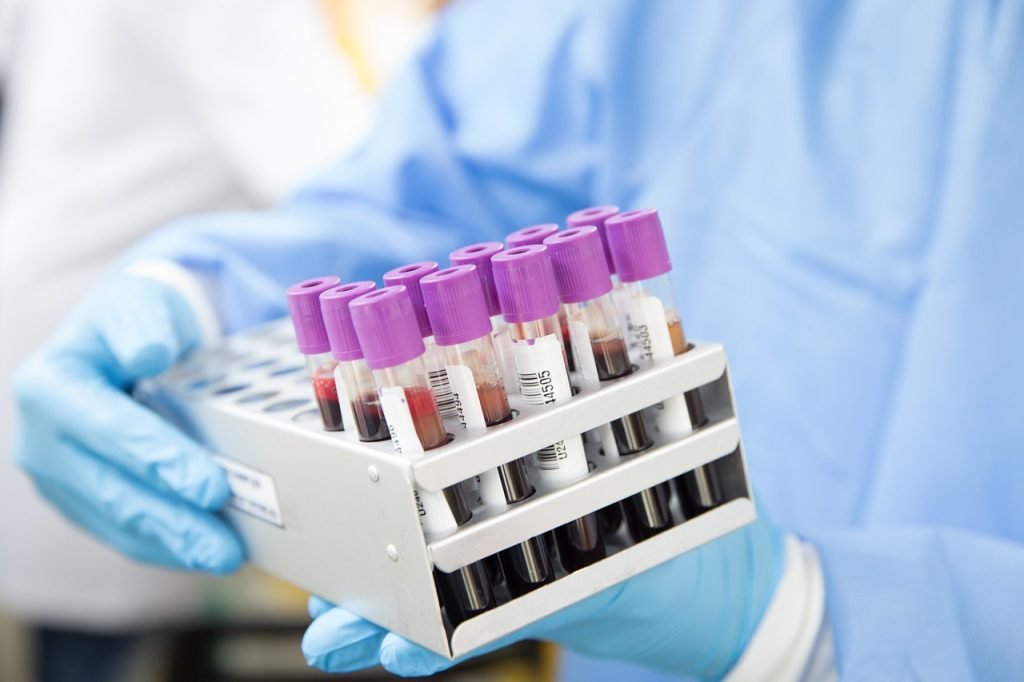
Dog liver tests are typically included in routine chemistry panels and may be performed during wellness screening, illness evaluations, pre-anesthetic testing, or monitoring of chronic disease. Because the liver processes toxins, metabolizes medications, produces proteins, regulates blood sugar, supports clotting, and aids digestion, no single lab value tells the whole story. Veterinarians instead evaluate a combination of markers that reflect different aspects of liver biology.
These markers fall into two broad categories: liver enzymes, which indicate cellular irritation or bile flow disruption, and liver function tests, which evaluate how well the liver is carrying out its metabolic responsibilities.

How the Liver Works in Dogs
The liver acts as a biochemical processing center. Blood from the digestive tract flows directly to the liver before circulating through the rest of the body. Nutrients are modified, stored, or redistributed. Toxins are neutralized. Hormones are metabolized. Proteins essential for clotting and fluid balance are produced continuously.
This constant activity explains why liver blood tests are sensitive. Even mild systemic stress can influence liver values. It also explains why mild abnormalities do not automatically indicate primary liver disease. The liver is reactive and resilient, with significant regenerative capacity.

Liver Enzymes: Markers of Cellular Irritation
Liver enzymes such as ALT levels in dogs, ALP elevations in dogs, AST changes on blood work, and GGT increases associated with bile flow are often the first abnormalities owners notice. These enzymes normally exist inside liver cells or along the bile ducts. When liver tissue becomes irritated or inflamed, enzymes leak into the bloodstream.
Elevated enzyme values indicate cellular reaction. They do not measure liver performance directly. A dog can have elevated enzymes while liver function remains intact.
ALT (Alanine Aminotransferase)
ALT is one of the more liver-specific enzymes in dogs and commonly rises when liver cells are irritated or damaged.
ALP (Alkaline Phosphatase)
ALP is associated with bile ducts and is uniquely influenced by steroid hormones in dogs, making it commonly elevated in endocrine disorders.
AST (Aspartate Aminotransferase)
AST exists in both liver and muscle tissue. Interpretation may require comparison with muscle enzyme levels.
GGT (Gamma-Glutamyl Transferase)
GGT helps evaluate bile flow and may rise when bile ducts are affected.

Liver Function Tests: Measuring Performance
In contrast, liver function markers such as bilirubin levels in dogs, bile acid testing in dogs, and albumin production by the liver assess how effectively the liver performs its metabolic duties.
Bilirubin
Bilirubin reflects the liver’s ability to process pigment from red blood cell breakdown. Significant elevations may result in jaundice.
Bile Acids
Bile acids are among the most sensitive indicators of liver function and are especially useful when vascular abnormalities are suspected.
Albumin
Albumin is a protein produced by the liver that supports fluid balance and the transport of essential molecules. Low levels may indicate chronic or advanced disease.

Common Causes of Elevated Liver Tests
Elevated liver tests can come from several different sources, not all of which are primary liver failure:
- Primary liver disease, such as inflammatory hepatitis, copper-associated hepatopathy, tumors, infections, or congenital abnormalities, which can directly damage liver tissue
- Endocrine disorders like Cushing’s disease, which often raise ALP and sometimes ALT without immediate liver dysfunction
- Medication effects from steroids, anti-seizure drugs, and some antibiotics, causing reversible enzyme increases
- Toxin exposure to certain plants, mushrooms, chemicals, or medications, which can trigger acute liver injury needing prompt care
- Secondary systemic illness, including pancreatitis, gastrointestinal disease, infections, or metabolic stress, which can raise liver values indirectly
- Mild, stable elevations in older dogs, which are fairly common and may stay unchanged for years

How Veterinarians Interpret Liver Panels
Here’s how veterinarians typically scale their response to the degree of elevation:
| Degree of elevation | Typical approach |
|---|---|
| Mild elevation | Usually monitored with repeat testing |
| Moderate elevation | May prompt imaging or additional diagnostics |
| Severe elevation, especially with abnormal bilirubin or low albumin | Warrants more immediate evaluation |
Veterinarians weigh the degree of elevation, which markers are involved, clinical symptoms, and how values trend over time. Depending on the picture, they may recommend:
- Repeat blood work to confirm a trend
- Abdominal ultrasound
- Bile acid testing
- Clotting panels
- Biopsy
When Should You Be Concerned?
Concern increases when abnormalities are progressive or accompanied by symptoms such as:
- Appetite loss
- Vomiting
- Diarrhea
- Weight loss
- Jaundice
- Abdominal swelling
- Increased thirst
- Neurologic changes
Many dogs with mild elevations remain asymptomatic and stable.
Long-Term Monitoring and Prognosis
The liver has remarkable regenerative capacity. Many inflammatory or medication-related changes resolve once the underlying cause is addressed. Early detection through routine blood work greatly improves long-term outcomes.

Frequently Asked Questions About Dog Liver Tests
What symptoms suggest liver disease in dogs?
Symptoms may include appetite loss, vomiting, diarrhea, weight loss, jaundice, and behavioral changes.
How high is too high for liver values in dogs?
Interpretation depends on severity, combinations of markers, symptoms, and trends over time.
What is the difference between liver enzymes and liver function tests?
Enzymes indicate cellular irritation, while function tests evaluate metabolic performance.
Is a high liver enzyme level always serious in dogs?
Mild to moderate elevations are common and do not automatically indicate liver failure.
Further Reading
High ALT (Liver Enzyme) in Dogs—What to Know? goes deeper into the enzyme most commonly flagged first, and why it can rise without true liver failure.
High AST in Dogs: What Aspartate Aminotransferase Means for Your Dog’s Health explains when AST points toward muscle involvement rather than liver disease.
High GGT in Dogs: What It Means and What to Do Next covers what elevated GGT often suggests about bile flow specifically.
High Bilirubin in Dogs: What It Means and What to Do Next walks through how to interpret bilirubin safely and when yellowing (jaundice) matters.
High Bile Acids in Dogs: What It Means and What to Do Next explains what abnormal bile acids indicate about liver processing and shunts.
Low Albumin in Dogs: What It Means and What to Do Next covers why low albumin isn’t always a liver problem, but still deserves trend tracking.
For additional veterinary background, see the Merck Veterinary Manual overview of hepatic disease in small animals.
Was the article helpful?