
Table of Contents
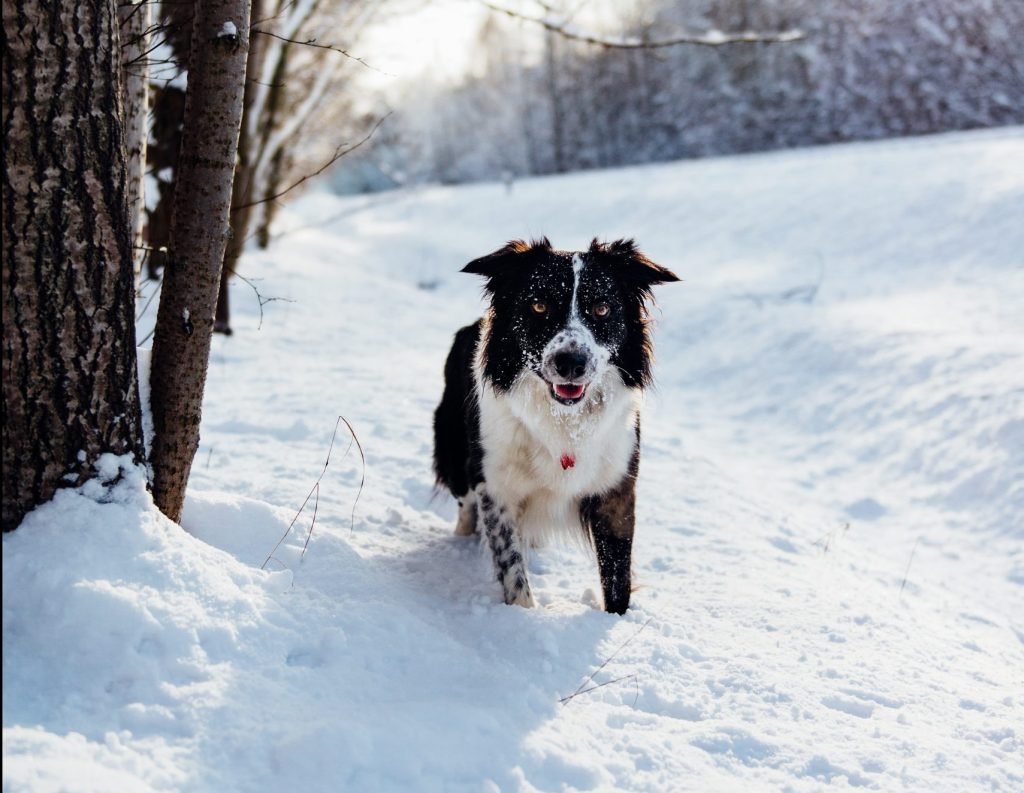
Keeping dogs safe when they are outside in cold weather starts with understanding comfort, paws, noses, and how much protection is truly needed outdoors. Concerns are common, especially when routines stay the same, but temperatures drop. Understanding how dogs experience cold helps you make calm, confident decisions when dogs are outside in cold weather and snow.
Dogs do not experience cold the same way humans do, and visible discomfort may appear later than expected. Some tolerate winter conditions well, while others feel the effects quickly. For dogs outside in cold weather, recognizing these differences early can prevent small issues from becoming painful ones.
Quick answer: healthy adult dogs can usually handle 20-45 minutes outside above freezing, but that window shrinks fast as temperatures drop, wind picks up, or the ground is icy. Watch behavior, not just the thermometer.
A common pattern seen by veterinarians is dogs that seem eager to go outside but return lifting their paws or moving stiffly. This shift often suggests surface cold or chemical irritation rather than simple dislike of the weather. When behavior changes mid-outing, it is a sign to shorten the time outside and reassess protection rather than pushing through the walk.
Which Dogs Feel the Cold More Easily
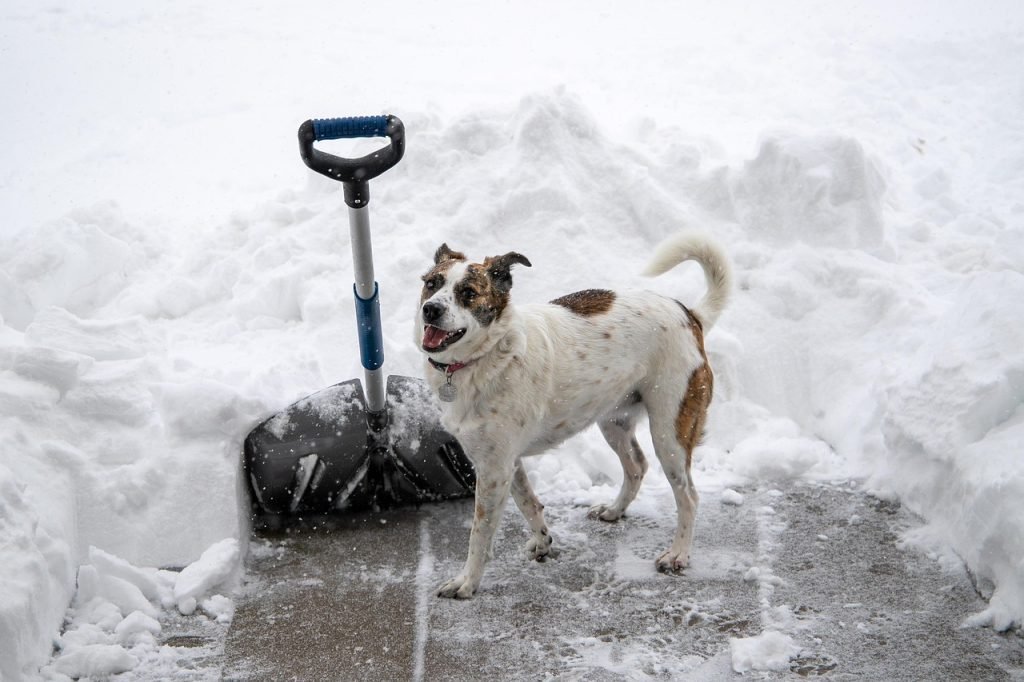
Body size, coat thickness, and body fat all influence how well a dog retains heat. Smaller dogs and those with short or fine coats lose warmth faster, especially through their feet and ears. Age also matters, as puppies and seniors often regulate body temperature less efficiently; this is one reason the early signs your dog is becoming a senior can change winter routines.
Dogs with arthritis or chronic illness may feel cold stress sooner because circulation and muscle warmth are already compromised. Even breeds known for cold tolerance can struggle during wet or windy conditions. Cold sensitivity is not fixed and can change over time.
Dogs Outside In Cold Weather
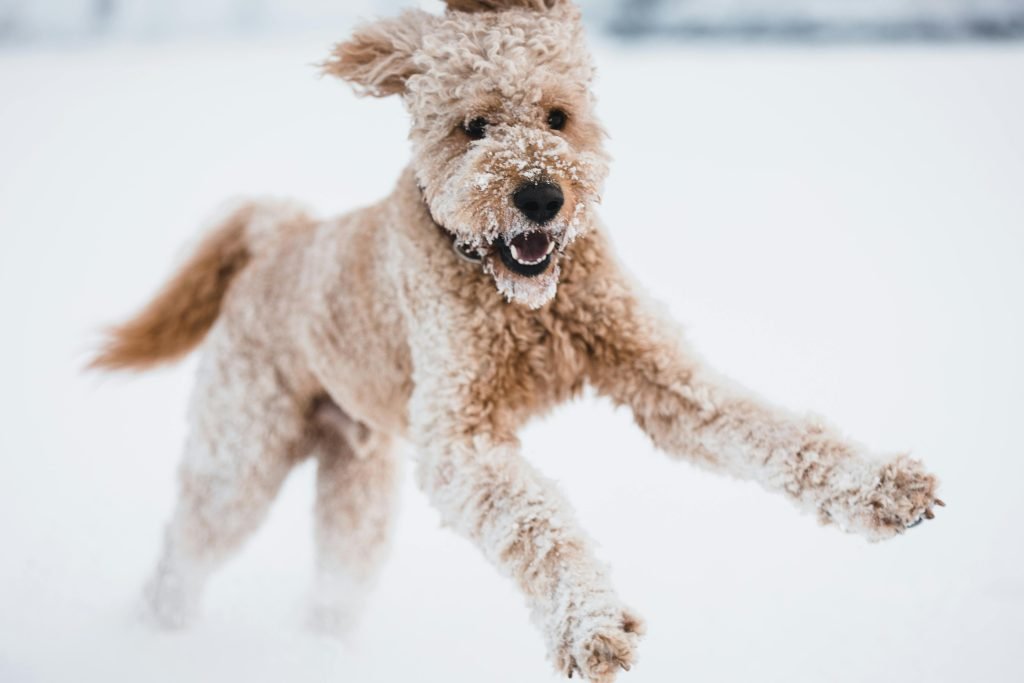
In cold environments, the body prioritizes core warmth by reducing blood flow to extremities. This makes paws, ears, and tails more vulnerable to cold injury and discomfort. Prolonged exposure can lead to stiffness, slowed movement, and fatigue.
Cold air also tends to be dry, which affects skin and nasal tissue. Moisture on the coat or skin pulls heat away faster, increasing the risk of chilling. These effects often occur quietly before obvious distress is seen.
Protecting Paws on Cold Ground and Ice
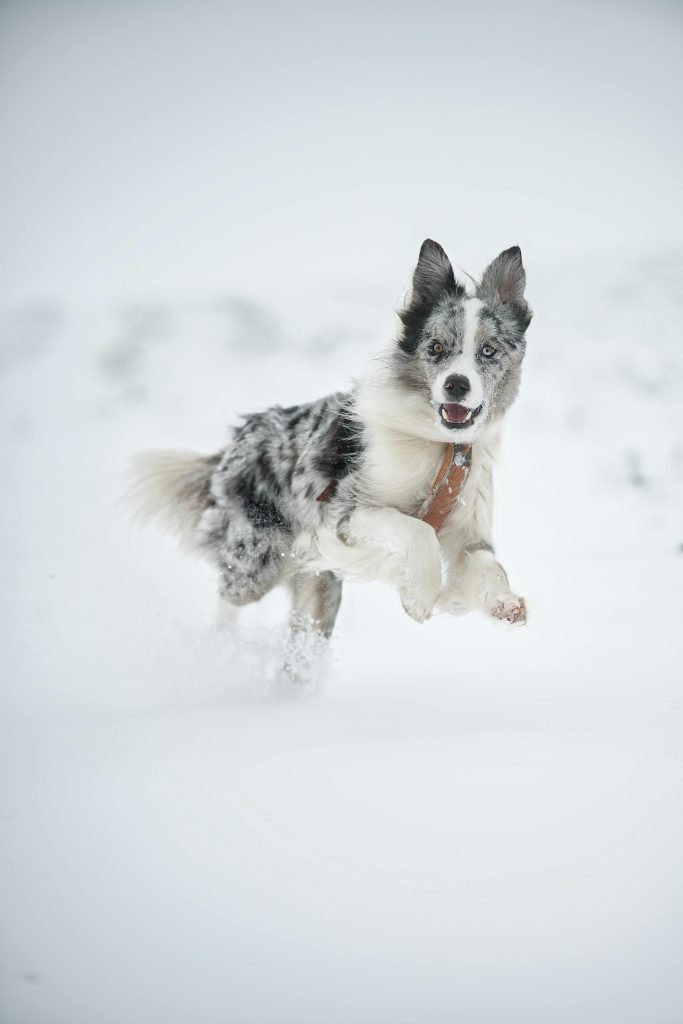
Paw pads come into direct contact with frozen ground, ice, and snow, which can cause soreness or cracking. Ice can also pack between toes, stretching the skin and creating sharp discomfort. De-icing chemicals add another layer of irritation that is not always visible.
Many dogs benefit from having paws wiped or rinsed after being outside, even after short trips. A protective balm such as Musher’s Secret Paw Wax can also be applied before walks to create a barrier against ice, salt, and de-icing chemicals. Drying the feet fully helps prevent lingering cold and skin breakdown. From a veterinary perspective, early paw care often prevents limping and reluctance to walk later in the season.
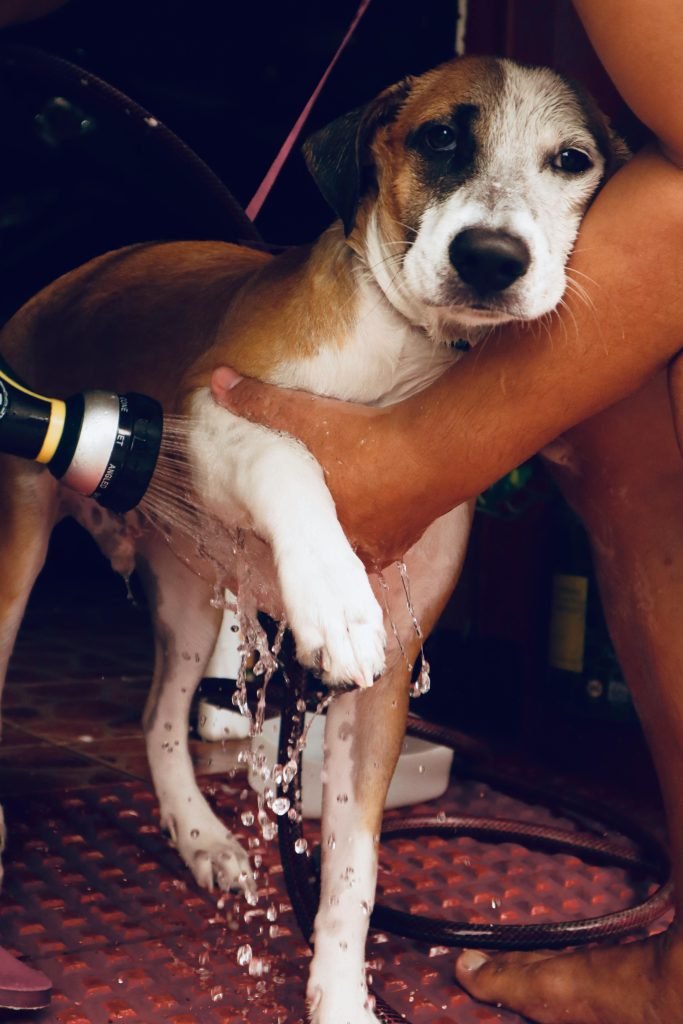
For dogs that spend real time outside in these conditions, some owners find protective dog boots helpful for shielding paw pads from ice, salt, and de-icing chemicals. A paw wax or balm applied before walks is another option some dogs tolerate better than boots, forming a barrier against the cold ground.
Cold Air and a Dog’s Nose
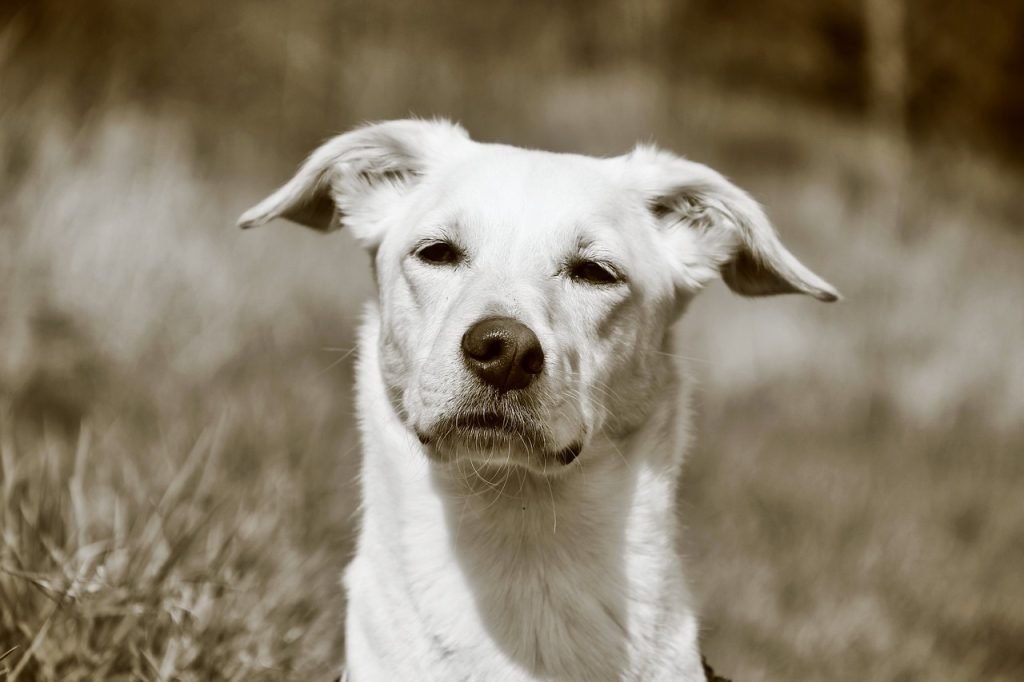
A dog’s nose is exposed directly to cold, dry air, which can lead to dryness or mild cracking. This is usually a surface issue rather than a sign of illness. Dogs may lick their noses more often in response to irritation.
Subtle changes such as flaking or loss of moisture are common in winter and often resolve with reduced exposure and indoor humidity. Persistent cracking or bleeding suggests discomfort rather than normal dryness. Watching for texture changes helps owners intervene early.
How Long Is Too Long Outside in Cold Weather
Time limits outside depend on more than temperature alone. Wind, moisture, and activity level can shorten safe exposure significantly. A brisk walk may be tolerated better than standing still on cold ground.
| Conditions | Typical safe time outside |
|---|---|
| Above freezing, little wind | About 20-45 minutes |
| 20-32°F | About 15-30 minutes |
| Below 20°F, snow/ice/strong wind | About 5-15 minutes, bathroom needs only |
In mild cold conditions above freezing with little wind, most healthy dogs can usually tolerate walks of about 20 to 45 minutes. This is similar to what many dogs handle comfortably during cool fall weather, as long as they remain active and dry.
When temperatures fall into the 20 to 32°F range, walks are often better kept shorter, generally around 15 to 30 minutes. At this point, cold exposure can begin to cause paw discomfort, muscle stiffness, or reluctance to continue walking, even in otherwise healthy dogs.
In very cold weather below 20°F, or when snow, ice, or strong winds are present, outdoor time should be brief. Walks are typically limited to about 5 to 15 minutes and focus mainly on bathroom needs and light movement rather than extended exercise.
Bring your dog inside right away if you notice paw lifting, shivering, slowing down, or reluctance to keep moving. These are early signs the cold is becoming too much, not stubbornness.
Dogs that begin lifting paws, slowing down, or seeking shelter are communicating discomfort. Ending outings at the first signs of cold stress is protective, not excessive.
Shorter, more frequent trips often work better than long outings.
Common Winter Mistakes That Increase Cold Stress
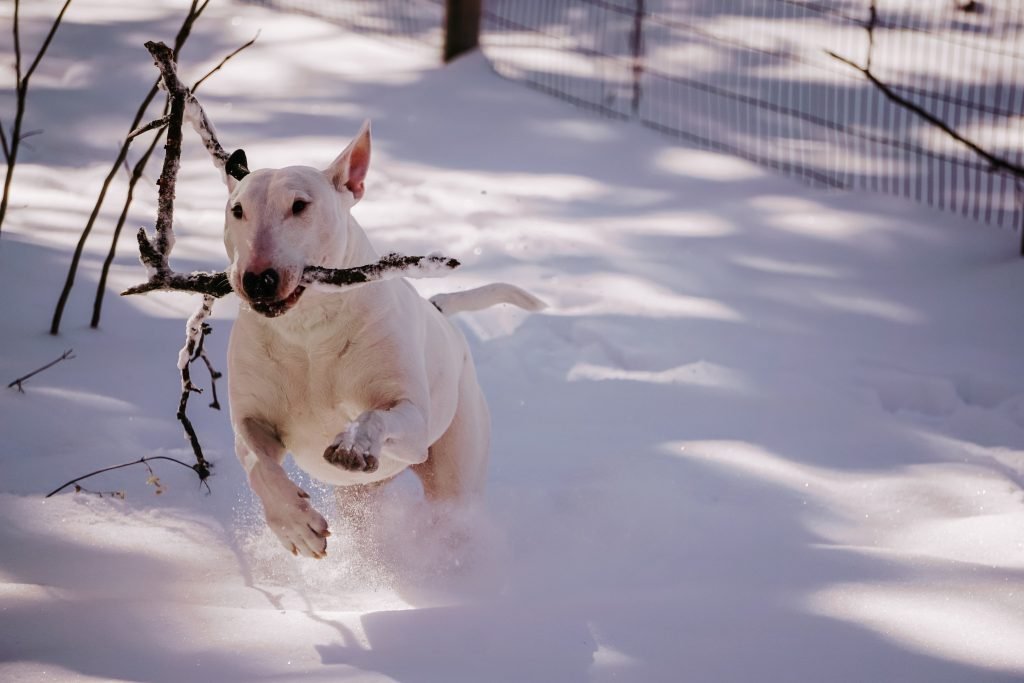
One frequent mistake is assuming a thick coat provides full protection in all conditions. Wet fur and wind can overwhelm natural insulation quickly. Another is overlooking brief bathroom trips as risk-free, even though frozen surfaces still affect paws.
Owners may also miss early signs of discomfort because dogs remain eager to please. From a clinician’s perspective, behavior changes during or after outings are often the first clue that adjustments are needed. Paying attention to these small signals prevents escalation.
Supporting Your Dog After Coming Back Inside
After outdoor exposure, gradual warming helps the body recover comfortably. Drying the coat and paws removes cold moisture and reduces skin irritation. Calm indoor movement allows circulation to return naturally.
Checking paws and nose briefly becomes a helpful winter routine rather than a medical task. This habit allows owners to notice small changes early. Consistent aftercare often makes the next outing easier for both dog and owner.
This article is for educational purposes only and is not a substitute for professional veterinary care. Always consult a licensed veterinarian regarding your pet’s health and nutritional needs. As an Amazon Associate, Vet Explains earns from qualifying purchases.
Was the article helpful?