

Table of Contents
What Do the Healthiest Dog Breeds Have in Common?
The healthiest dog breeds are not disease-proof, but sturdy genetics, responsible screening, exercise, nutrition, and preventive veterinary care can all lower risk. Choosing among the healthiest dog breeds still means matching the dog’s energy, grooming, and training needs to your home. The Orthopedic Foundation for Animals explains how CHIC health screening programs help breed clubs track recommended tests.
When people ask about the healthiest dog breeds, they are often hoping to avoid heartache, vet bills, or genetic disease. While no dog is completely free of health risks, some breeds are known for stronger overall resilience, fewer inherited conditions, and longer average lifespans.
No dog is completely free of health risks, but some breeds show stronger overall resilience, fewer inherited conditions, and longer average lifespans. Genetics matter, but responsible breeding, preventive care, and daily attention play just as large a role.
Australian Cattle Dog

Australian Cattle Dogs are often cited as one of the healthiest breeds in the world. They were developed to work long hours in harsh conditions, and that working heritage shows in their physical toughness and stamina.
They tend to have fewer inherited diseases than many breeds and are known for long lifespans, with some individuals living well into their mid to late teens. These dogs do require significant mental and physical exercise, and behavioral issues can develop if their needs are not met. From a medical standpoint, though, they are generally robust and resilient.
Border Collie

Border Collies are another working breed with a reputation for excellent overall health. Their lean build, athleticism, and high intelligence contribute to strong physical conditioning when properly exercised.
They are not immune to genetic conditions, but compared to many popular breeds, they tend to have fewer severe inherited health problems. Mental stimulation is essential for this breed. A bored Border Collie may develop anxiety or compulsive behaviors, which can indirectly affect well-being. When their needs are met, they are among the healthiest dogs you can live with.
Chihuahua

Small dogs often live longer, and Chihuahuas are a good example of that trend. Despite their size, they are surprisingly hardy and can live 15 to 18 years or more with proper care.
They are prone to some dental issues and may develop heart murmurs later in life, but they generally avoid many of the orthopedic and joint problems seen in larger breeds. Their long lifespan makes routine dental care and regular veterinary checkups especially important.
Australian Shepherd
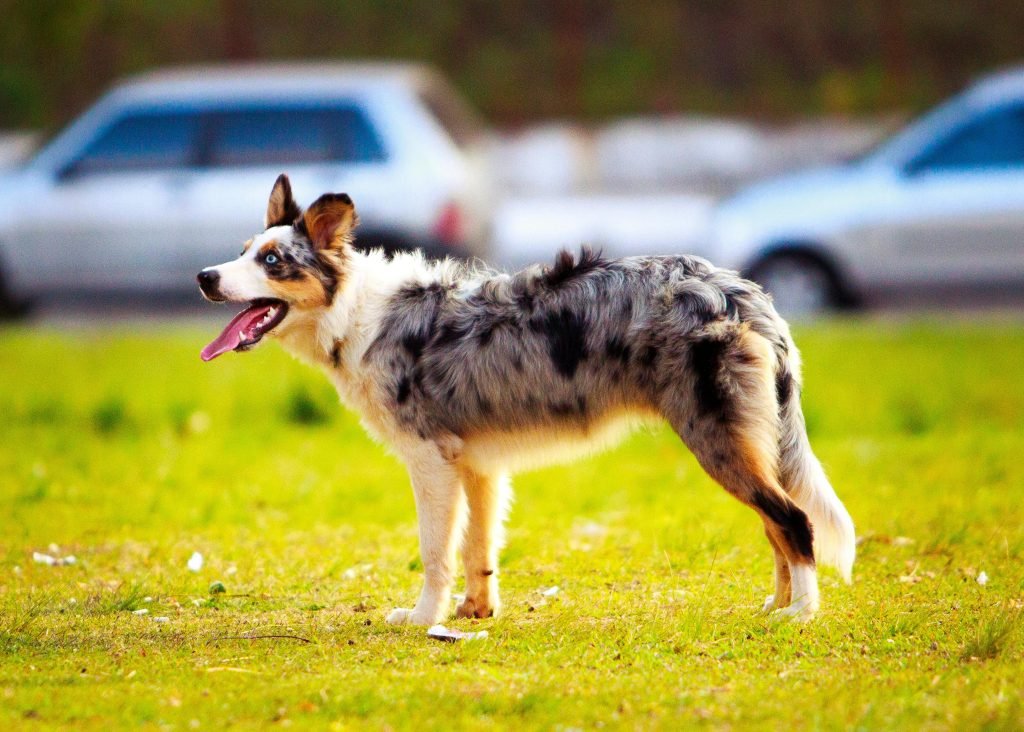
Australian Shepherds are energetic, athletic dogs with strong immune systems and good overall structure. As a breed, they are relatively healthy when sourced from responsible breeders who screen for known genetic conditions.
They thrive on activity and purpose. Like other intelligent working breeds, a lack of exercise or mental engagement can lead to stress-related behaviors rather than physical illness. When properly managed, Australian Shepherds tend to maintain good health well into their senior years.
Basenji
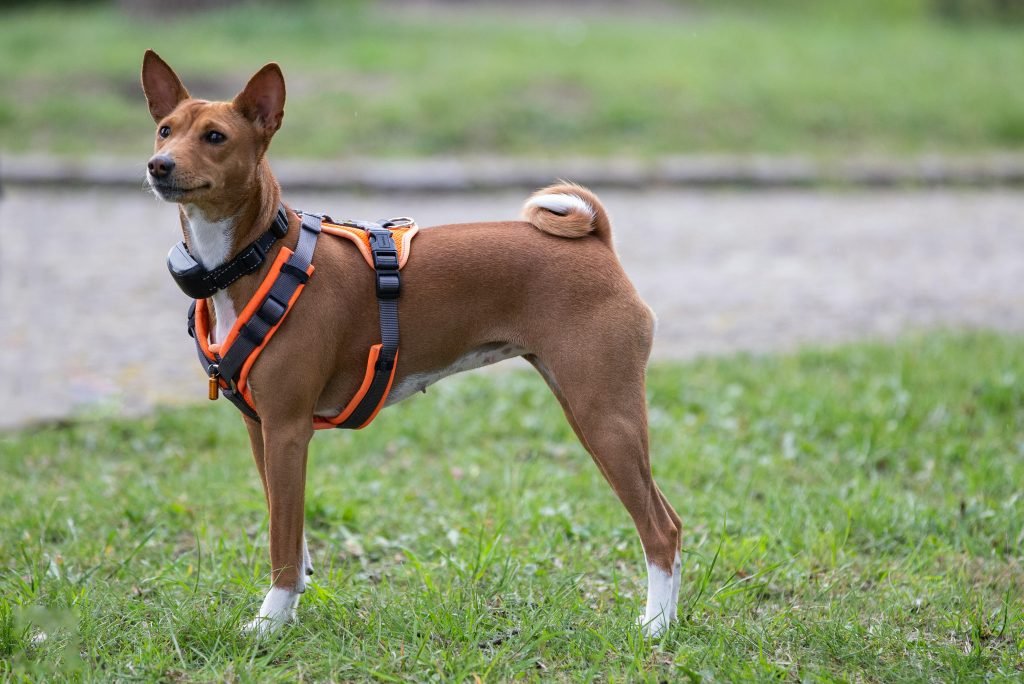
Basenjis are often overlooked, but they are one of the more naturally healthy breeds. They have a short coat, minimal odor, and a relatively low incidence of many common canine diseases.
They are known for their independence and can be challenging to train, but medically, they are quite sound. Responsible breeding is important with this breed, as certain inherited conditions do exist, but overall, they are considered hardy dogs with good longevity.
| Breed | Health highlight | Worth knowing |
|---|---|---|
| Australian Cattle Dog | Robust, resilient, often lives into its mid-to-late teens | Needs significant mental and physical exercise |
| Border Collie | Lean, athletic build with strong physical conditioning | Mental stimulation is essential for wellbeing |
| Chihuahua | Hardy despite small size; can live 15-18+ years | Prone to dental issues and later-life heart murmurs |
| Australian Shepherd | Strong immune system and good overall structure | Choose responsible breeders who screen for genetic conditions |
| Basenji | Low incidence of common canine diseases; good longevity | Responsible breeding matters for certain inherited conditions |
Further Reading
Top 5 Healthiest Cat Breeds: What Pet Owners Should Know covers the feline side of the same question, for households with cats as well as dogs.
Was the article helpful?