
Table of Contents
Dogs love their owners in ways that often go far beyond food, toys, or routine. Until recently, science struggled to measure that bond without relying only on behavior. A groundbreaking study using MRI brain scans helped change that by looking directly at how dogs’ brains respond to their owners compared to food.
The findings help explain why dogs seek closeness, respond so strongly to praise, and may struggle emotionally when separated from the people they love most.
How Researchers Studied the Dog-Human Bond
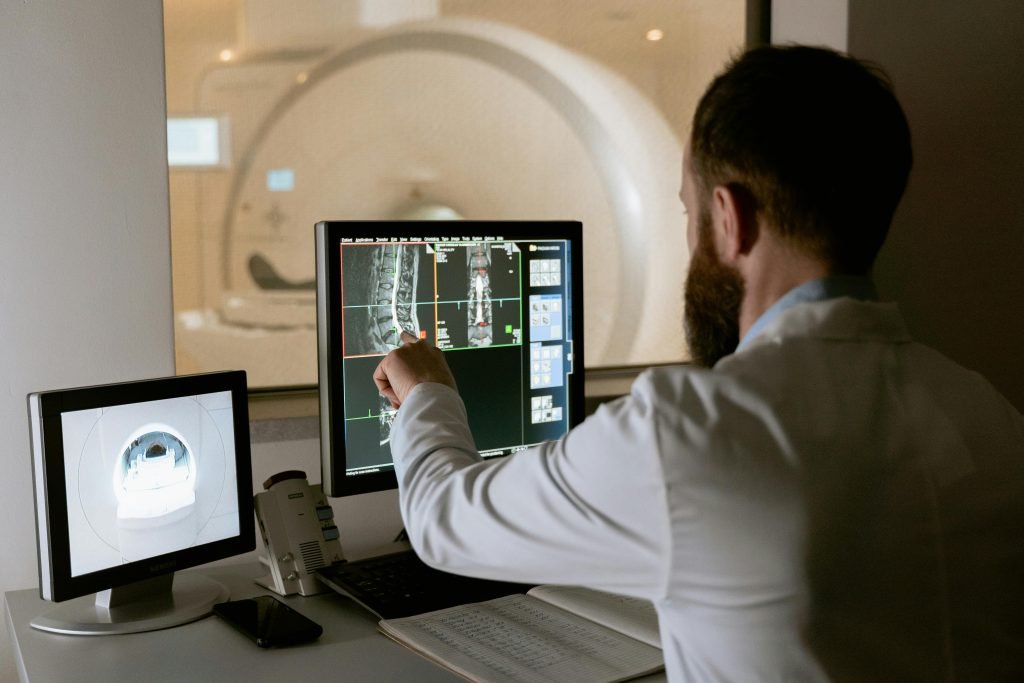
In this study, dogs were carefully trained to lie still inside an MRI machine while fully awake. No sedation was used. This allowed researchers to safely observe real brain activity while dogs were conscious and aware.
The scientists focused on a part of the brain called the ventral caudate. This area is involved in reward, pleasure, and positive emotional value in both humans and animals. When something feels meaningful or rewarding, this part of the brain becomes active.
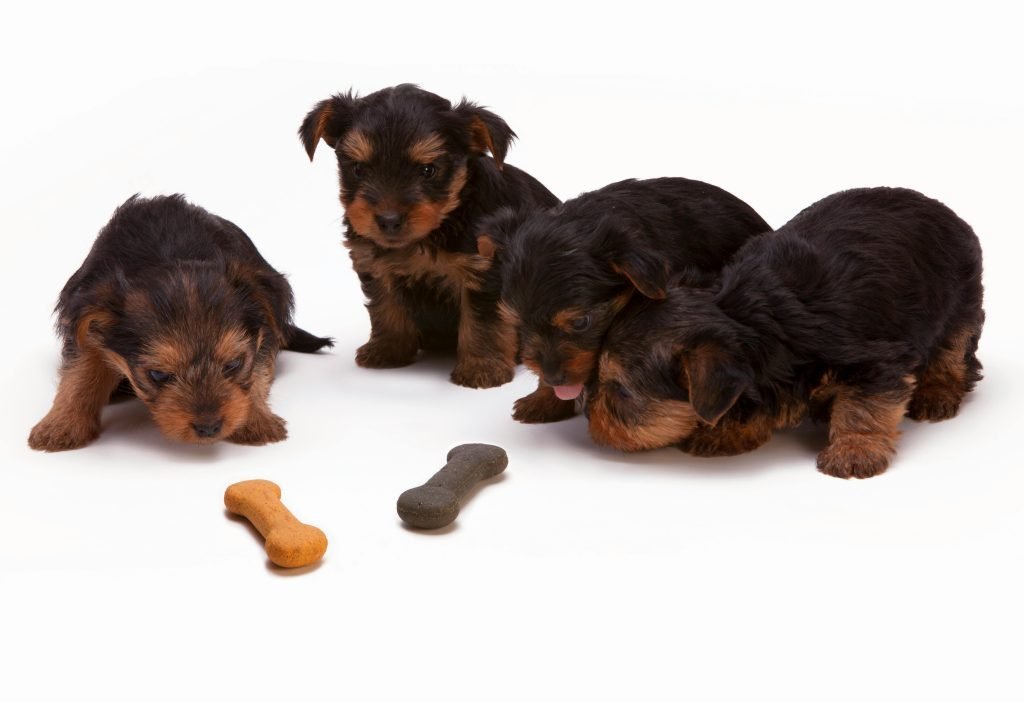
Dogs were shown different objects that predicted one of three outcomes. One object meant food was coming. Another meant verbal praise from their owner. A third meant nothing would happen. By observing how the brain responded before the reward arrived, researchers could measure how valuable each outcome was to the dog without relying on outward behavior alone.
What the Brain Scans Revealed About Love and Attachment
Most dogs showed strong activation in the brain’s reward center when they anticipated either food or praise from their owner. What stood out was that in many dogs, the brain responded just as strongly, and sometimes more strongly, to praise than to food.
This does not mean dogs do not enjoy food. It shows that for many dogs, social interaction with their owner carries deep emotional value. Hearing their person’s voice, receiving attention, and feeling acknowledged activate the brain in a powerful and meaningful way.
The study also showed that dogs are individuals. Some were more food-motivated. Some were more socially motivated. Many valued both equally. This variation helps explain why training approaches work well for some dogs but not others.
Brain Responses Matched Real World Choices
To confirm that the brain activity reflected real behavior, researchers also observed dogs outside the scanner. Dogs were repeatedly given a choice between going to their owner for praise or going to a bowl of food.
Dogs whose brains showed a stronger response to praise tended to choose their owner more consistently. Dogs whose brains responded more strongly to food tended to choose the food. The brain scans accurately predicted these preferences, strengthening the conclusions of the study.
What This Research Really Means
This research does not prove that every dog loves their owner more than food. That would be too simple. What it does show is that the bond between dogs and humans is biologically real and deeply rooted in the brain’s reward system.
For many dogs, their relationship with their owner is not just learned behavior reinforced by treats. It is emotionally meaningful. This helps explain why praise can be such a powerful training tool and why separation from a trusted person can feel genuinely distressing.
Why This Matters for Dog Owners
Understanding that your presence holds real emotional value for your dog can change how we approach training and behavior challenges. It supports relationship-based training and reinforces the importance of consistency, reassurance, and connection.
It also helps explain why anxiety can develop when that connection feels threatened. Dogs are not being dramatic or manipulative. They are responding to the loss of something their brain considers deeply rewarding and safe.
How This Research Connects to Separation Anxiety
This study helps explain why separation anxiety can be so intense for some dogs. If your presence activates your dog’s reward and safety centers in the brain, being left alone can feel genuinely distressing rather than mildly inconvenient. Dogs who place a high emotional value on their owner may struggle more when that connection is suddenly removed. If this sounds familiar, our article Separation Anxiety in Dogs Explained explores why this condition develops and how owners can support dogs who find alone time overwhelming.
Understanding Anxiety Beyond Separation
Separation anxiety is only one way anxiety can show up in dogs. Many dogs who struggle when left alone also display signs of stress in other situations, such as routine changes, loud noises, or unfamiliar environments. Subtle behaviors like pacing, lip licking, trembling, or withdrawal are often early warning signs. Our article Anxiety Signs in Dogs and What Helps walks through both obvious and easily missed signs of anxiety and explains how owners can respond supportively.
Read the Original Research
If you would like to explore the science behind these findings in more detail, the full peer reviewed study is available as “Awake canine fMRI predicts dogs’ preference for praise vs food”, published in Social Cognitive and Affective Neuroscience. You can read the complete article through the U.S. National Library of Medicine.
Was the article helpful?