
Table of Contents
Anxiety signs in dogs are far more common than many owners realize. Anxiety does not always look dramatic, and it does not mean your dog is poorly trained or misbehaving. In practice, anxiety often develops quietly over time, shaped by a dog’s experiences, environment, and sense of safety. Recognizing it early gives you the best chance to help your dog feel more settled and secure.
Anxiety signs in dogs can include pacing, hiding, panting, clinginess, destructive behavior, or sudden changes around triggers. It does not mean your dog is poorly trained or misbehaving; it often develops quietly over time. Recognizing it early gives you the best chance to help.
What Anxiety Signs in Dogs Look Like in Everyday Life
Some anxious dogs are easy to spot; others cope in less obvious ways. Signs can include:
- Pacing back and forth
- Panting when it is not hot
- Trembling or shaking
- Following owners closely from room to room
- Hiding or excessive barking
- Chewing furniture or having accidents indoors
These behaviors are stress responses. Your dog is not choosing them. Anxiety changes how the nervous system functions, and when fear takes over, even familiar surroundings can feel unsafe.

Common Triggers for Anxiety in Dogs
Many cases of anxiety are linked to predictable stressors, including:
- Separation from family members
- Loud or sudden noises such as thunderstorms, fireworks, or construction
- Changes in routine or moving homes
- Adding new pets or people to the household
- Previous traumatic experiences
Dogs that did not receive gentle social exposure as puppies may struggle more with new situations later in life. None of this reflects a failure on your part. It simply explains why some dogs are more sensitive than others.
Subtle Signs Owners Often Miss
Some of the earliest signs of anxiety are easy to overlook:
- Repeated yawning when the dog is not tired
- Lip licking or turning the head away
- Showing the whites of the eyes (“whale eye”)
- Sudden shedding or excessive grooming
- Refusing food during stressful moments
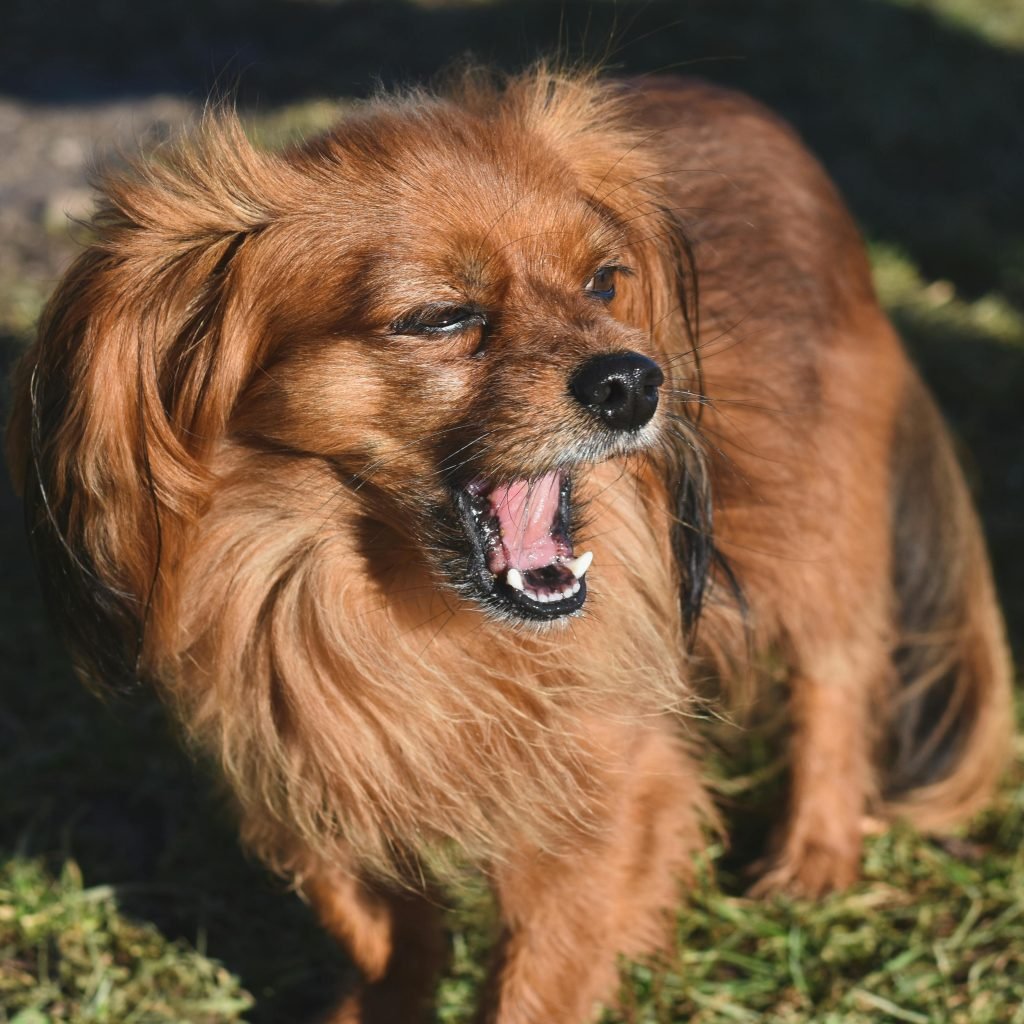
These small cues matter. They often appear before more disruptive behaviors develop and can help you intervene early.
What Truly Helps Anxious Dogs
The most effective support starts with predictability. Dogs feel safer when their days follow a consistent rhythm. Regular feeding times, walks, and rest periods reduce uncertainty and help calm the nervous system.
A safe retreat is equally important. This might be a quiet room, a crate left open, or a familiar bed where your dog can relax without being disturbed. Training should always rely on positive reinforcement. Punishment, even when well-intentioned, increases fear and can worsen anxiety over time.
Patience is not passive. It is active, thoughtful support that allows a dog to rebuild confidence at their own pace.
Fireworks and Noise-Related Anxiety
Noise sensitivity deserves special attention, especially around holidays. Fireworks are a frequent cause of panic in dogs, including those who are otherwise confident. The combination of sudden sounds, vibrations, and flashing lights can be deeply distressing. If your dog struggles during celebrations, reading more about how fireworks affect dogs and how to prepare ahead of time can make a meaningful difference. Planning early often reduces fear and helps dogs feel more protected when noise cannot be avoided.
A snug-fitting calming compression vest can also take the edge off during fireworks and storms for dogs who respond well to gentle, constant pressure, especially when paired with a quiet, familiar space.

When to Involve Your Veterinarian
If anxiety begins to interfere with daily life, worsens over time, or prevents your dog from resting, eating, or engaging normally, it is appropriate to seek veterinary guidance. In some cases, behavioral medication or a structured treatment plan may be recommended. This is not a last resort. It is one of many tools used to improve the quality of life when anxiety is persistent.
Further Reading
Separation Anxiety in Dogs Explained goes in depth on one of the most common and treatable forms of anxiety, including signs, causes, and how to help.
This article is for educational purposes only and is not a substitute for professional veterinary care. Always consult a licensed veterinarian regarding your pet’s health and nutritional needs. As an Amazon Associate, Vet Explains earns from qualifying purchases.
Was the article helpful?