

Table of Contents
If you are wondering how to keep pets calm during Christmas & fireworks, the holidays are full of excitement, noise, and celebration for people, but for pets, it can be a very different experience. This time of year is often overwhelming for them. Changes in routine, unfamiliar guests coming and going, and sudden loud sounds, especially fireworks, can cause significant stress, even in pets that are usually calm and well adjusted.
Quick answer: a quiet retreat away from windows, a steady routine, sound masking (white noise, TV, music), and calm body language from you go a long way. For pets with more pronounced fear, pheromone products, anxiety wraps, or vet-guided medication can help.
Why Holidays Can Be Difficult for Pets
Holidays often disrupt the steady rhythm that dogs and cats rely on to feel safe. Daily routines around feeding, walks, playtime, and rest may shift without warning, and familiar spaces can suddenly feel crowded or unfamiliar. Guests come and go, furniture may be rearranged, and pets who are used to quiet homes can feel overwhelmed by constant activity and attention. Even well-meaning visitors who want to pet or interact with them can add pressure, especially for animals that are naturally shy or reserved.
On top of these changes, holidays frequently bring intense sensory stimulation. Loud noises like fireworks, party music, or cheering can be frightening because pets do not understand where the sounds are coming from or when they will stop. Bright lights, unfamiliar smells from cooking, and decorations that look unusual can all contribute to a sense of unpredictability. Dogs and cats are hardwired to notice changes in their environment, and when too many changes happen at once, their stress levels rise quickly.
What feels joyful and exciting to people can feel chaotic and unsafe to pets. Without the ability to rationalize what is happening, animals may respond with anxiety behaviors such as hiding, pacing, trembling, vocalizing, or changes in appetite. Understanding that holidays are not inherently fun for pets helps owners approach these times with more empathy and preparation, creating an environment where animals can feel secure even when celebrations are in full swing.

Common Signs of Holiday Anxiety in Pets
It is very important to recognize the early signs of anxiety so you can step in before your pet becomes overwhelmed. Animals often communicate stress through subtle changes in behavior rather than obvious distress. Noticing these shifts early allows you to respond in a calm, supportive way that helps your pet feel safer and more secure.
Common signs of holiday anxiety include:
- Pacing or restlessness
- Hiding or trembling
- Excessive barking or meowing
- Destructive behavior
- Noticeable loss of appetite
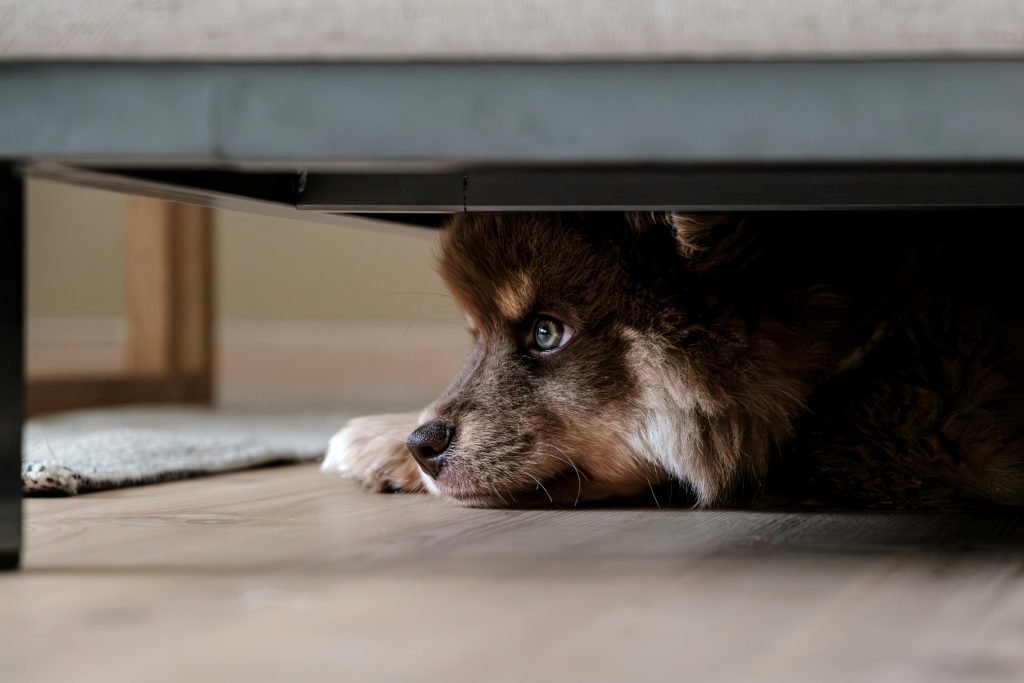
From a veterinary perspective, these reactions reflect a nervous system that is on high alert. Changes such as a new home, unfamiliar people or animals, schedule disruptions, loud noises, or even subtle shifts in household energy can trigger anxiety. When a pet feels unsure or unsafe, their behavior changes as a way of trying to regain control or seek comfort.
Paying attention to these signs and responding with patience makes a real difference. Providing predictable routines, quiet spaces, and gentle reassurance can help reduce stress. If anxiety symptoms persist, worsen, or interfere with your pet’s daily life, reaching out to your veterinarian is always a reasonable next step. Trusting your instincts and observing your pet closely are some of the most valuable tools you have in supporting their emotional well-being.
Noise Sensitivity and Fireworks
Fireworks are a common part of many celebrations, but for pets they can be deeply frightening. Animals do not understand what fireworks are, why they happen, or when they will stop. The loud bangs, whistles, and vibrations arrive without warning, making the experience unpredictable and overwhelming.
When exposed to fireworks, many pets enter a true fight or flight response. Their bodies release stress hormones, their heart rate increases, and their logical thinking shuts down. This can lead to panicked behaviors such as bolting through doors or fences, hiding in unsafe places, vocalizing excessively, or injuring themselves while trying to escape the noise. Even pets that are normally calm and confident can react strongly under these conditions.
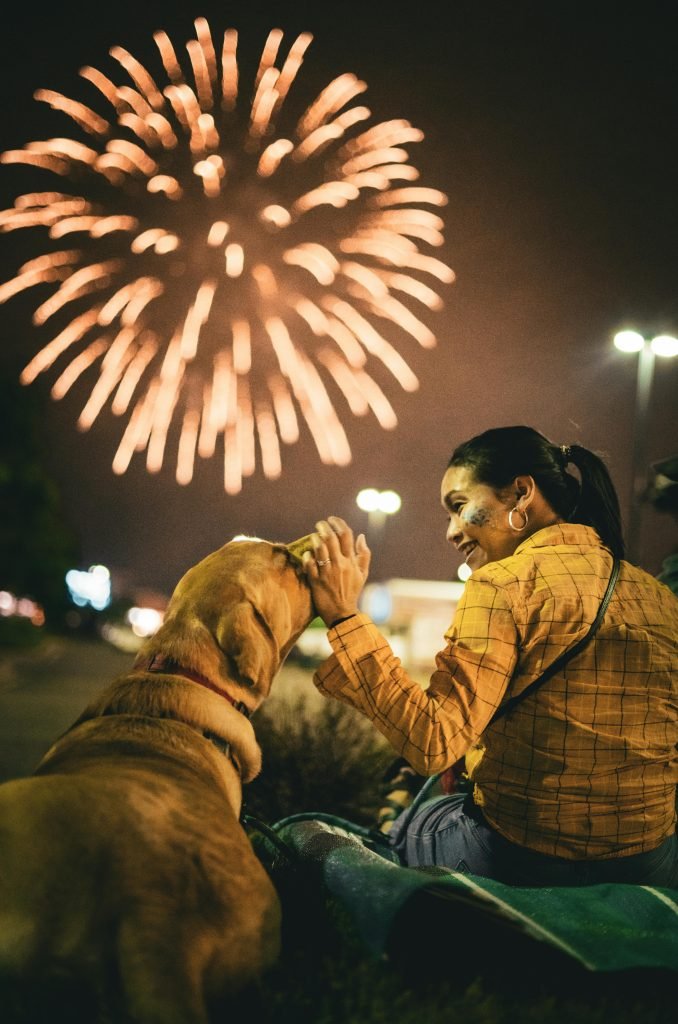
From a clinical standpoint, noise sensitivity is not a behavioral flaw. It is a fear-based response rooted in survival instincts. Repeated exposure to frightening noises without relief can actually make the sensitivity worse over time, not better. That is why preparation and management around fireworks are so important.
Providing a quiet, secure space indoors, closing windows and curtains, and offering calm reassurance can help reduce distress. Some pets benefit from background noise like a television or white noise to soften sudden sounds. If your pet has a history of severe reactions to fireworks, it is reasonable to discuss additional support options with your veterinarian well before the next holiday. Helping your pet feel protected during these events can prevent panic and reduce the risk of injury or escape.
How to Keep Pets Calm During Christmas & Fireworks
Fortunately, there are several practical ways you can help your pet feel more secure during noisy or stressful holiday moments. One of the most effective steps is creating a quiet, safe retreat where your pet can settle. This space should be indoors, away from windows and exterior walls, and stocked with familiar bedding, toys, or items that carry your scent. Familiar smells and surroundings can be very grounding for an anxious animal.
Maintaining your pet’s normal routine is equally important. Regular feeding times, walks, and bedtime rituals provide predictability at a time when everything else may feel chaotic. Even small disruptions can increase anxiety, so consistency helps signal that life is still safe and stable despite the unusual sounds outside.
Sound management can also make a meaningful difference. Playing white noise, soft music, or even leaving the television on can help dull sudden bangs and pops from fireworks. This does not eliminate the noise, but it can reduce the sharp contrast that triggers panic in many pets.
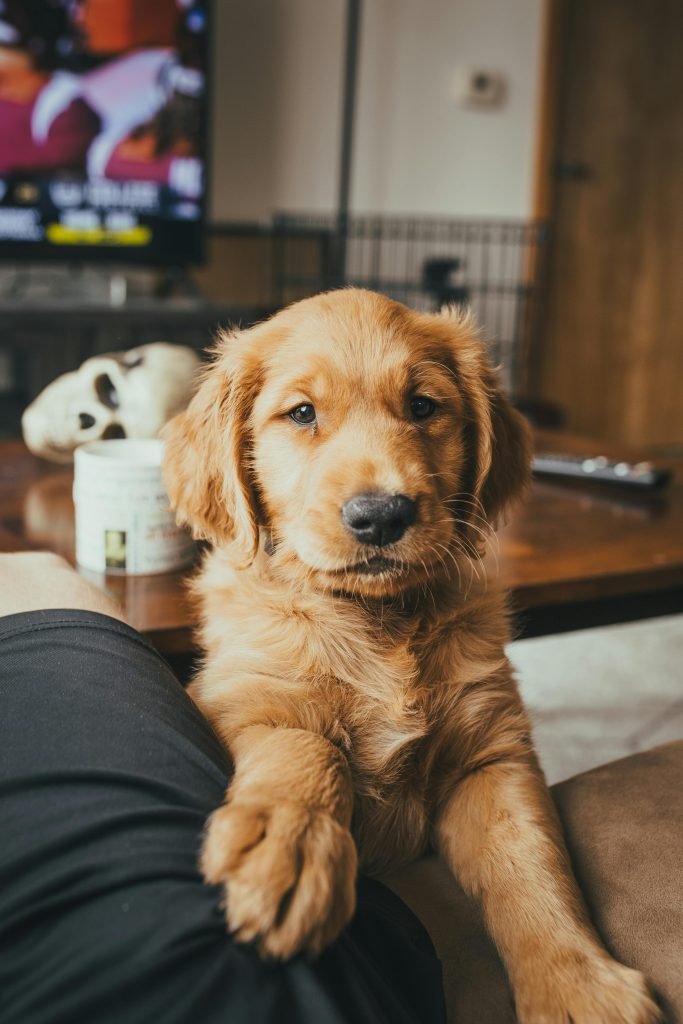
Above all, your own demeanor matters more than most owners realize. Pets are extremely attuned to their human family members and often take emotional cues from them. Remaining calm, speaking gently, and acting normally can help reassure your pet that there is no immediate danger. While it is natural to feel concerned, projecting calm confidence can be one of the most powerful tools you have to help your pet through stressful situations.
Calming Supplements
A few calming tools tend to come up most often:
- Pheromone diffusers and sprays, which mimic natural calming signals
- Anxiety wraps, which apply gentle, consistent pressure
- Natural calming supplements such as L-theanine, chamomile, or tryptophan
Pheromone diffusers and sprays are commonly used and can be beneficial for some pets. These products mimic natural calming signals that mother animals produce, helping create a sense of familiarity and safety. Anxiety wraps, such as snug-fitting vests, apply gentle, consistent pressure to the body. For certain pets, this pressure has a grounding effect and can reduce visible signs of panic.
Natural calming supplements are another option some families consider. These may contain ingredients like L-theanine, chamomile, or tryptophan, which are intended to support relaxation. While many pets tolerate these well, responses can vary, and supplements should never replace proper supervision or safety measures during high-stress events.
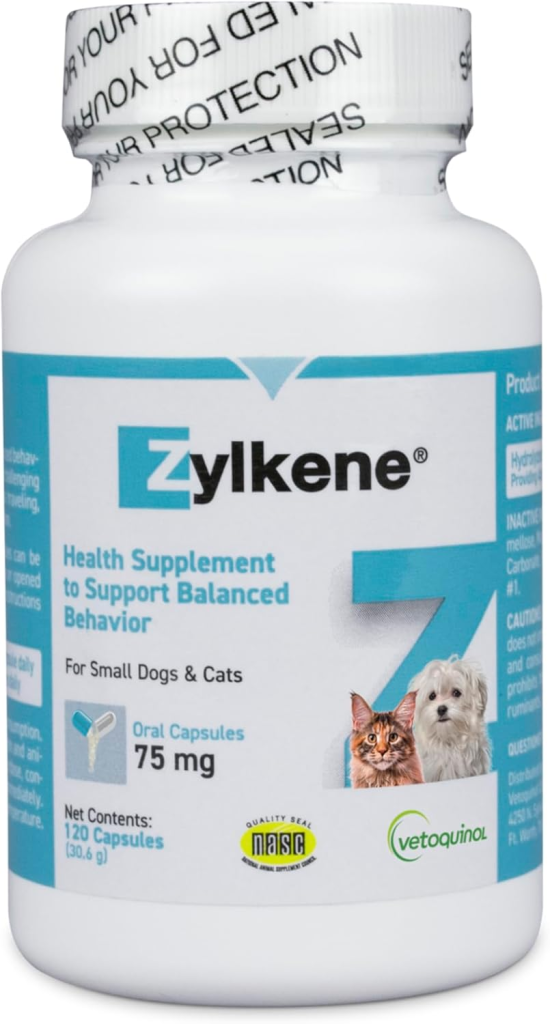
This calming product is one I have seen pet owners use successfully, especially for animals that become noticeably distressed during fireworks, storms, or busy holiday gatherings. When introduced ahead of time and used as directed, many pets appear more settled and better able to relax rather than escalating into full panic. Owners often report reduced pacing, less vocalizing, and an easier time resting during noisy events. What I appreciate most is that it supports calm behavior without sedating the pet or changing their personality. Like all calming aids, results can vary, but when combined with a quiet space, consistent routines, and a calm household, this product can be a valuable tool for pets that need a little extra support during stressful situations.
It is always wise to speak with your veterinarian before starting any new supplement or calming aid, especially if your pet has underlying health conditions or takes other medications. With the right combination of preparation, environmental support, and carefully chosen tools, many anxious pets can navigate noisy holidays with far less distress.
When Veterinary Help Is Needed
If your pet’s anxiety is severe, ongoing, or continues to worsen despite your best efforts at management, it is important to involve your veterinarian. Persistent fear responses are not something a pet can simply “get used to,” and untreated anxiety can escalate over time. A veterinary conversation helps determine whether what you are seeing is situational stress or part of a larger anxiety pattern that needs more structured support.
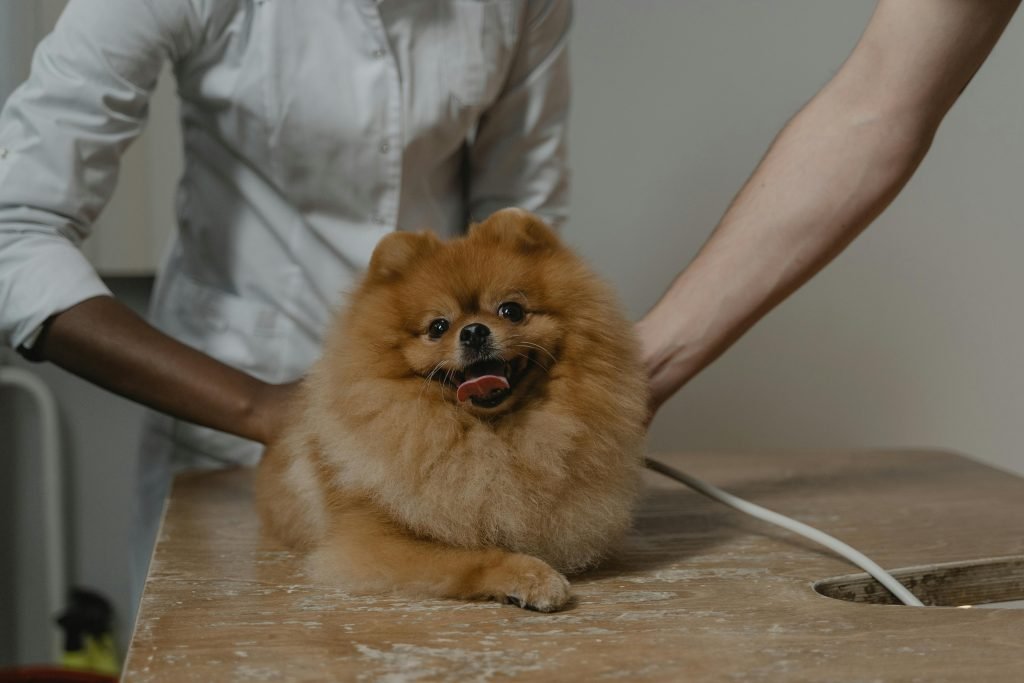
Your veterinarian may recommend behavior modification strategies tailored to your pet’s specific triggers and environment. These plans focus on gradually reducing fear responses and teaching coping skills, rather than forcing exposure. In some cases, anti-anxiety medications may also be discussed, either for short-term use around predictable events like fireworks or as longer-term support for pets with chronic anxiety. When used appropriately and under veterinary guidance, these medications can significantly improve comfort and quality of life.
The goal is never to sedate a pet unnecessarily, but to help them feel safe enough to learn and relax. If something about your pet’s behavior feels unmanageable or distressing, trusting that instinct and seeking professional guidance is both reasonable and compassionate.
Further Reading
Holiday Foods Toxic to Dogs (Christmas Edition) covers which common Christmas foods are dangerous and what to watch for if your dog gets into something they shouldn’t.
Anxiety Signs in Dogs and What Helps looks at the broader picture of canine anxiety beyond just holiday noise, including subtle signs many owners miss.
This article is for educational purposes only and is not a substitute for professional veterinary care. Always consult a licensed veterinarian regarding your pet’s health and nutritional needs. As an Amazon Associate, Vet Explains earns from qualifying purchases.
Was the article helpful?