
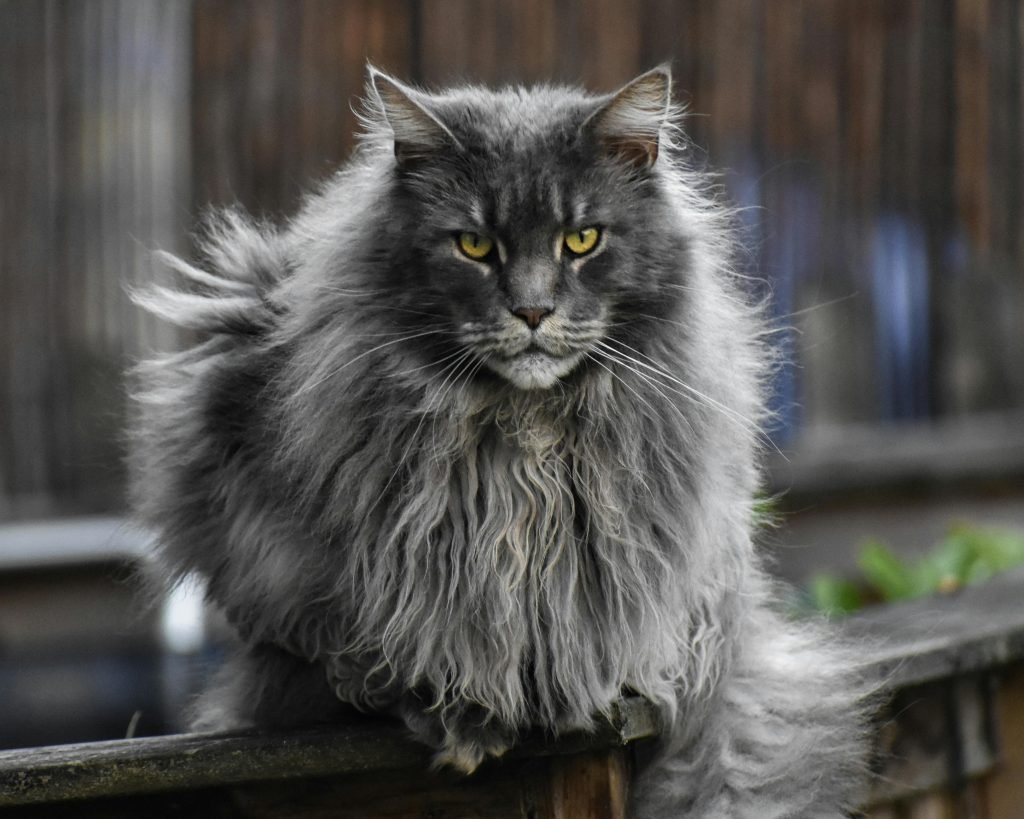
Table of Contents
No cat is guaranteed perfect health. That said, some breeds tend to have fewer inherited medical issues and often enjoy longer, more stable lives when properly cared for — genetics matter, but so do nutrition, preventive care, and environment.
The healthiest cat breeds are generally resilient, adaptable, and less prone to serious hereditary disease when responsibly bred. Much like we discussed in our article on the top 5 healthiest dog breeds, breed is only one part of long-term health.
Siamese Cats
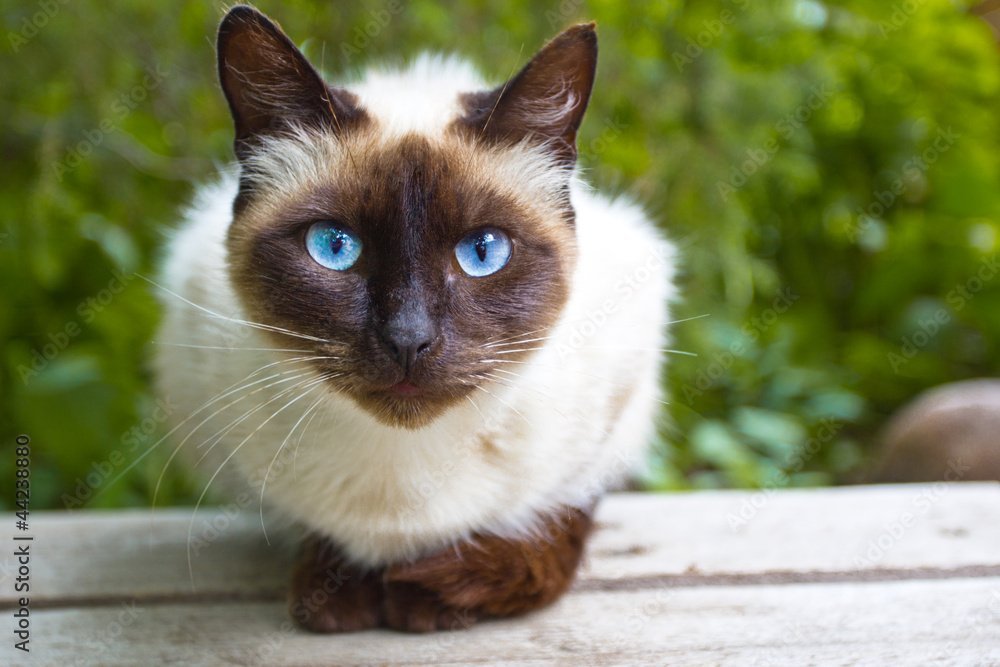
Siamese are known for their intelligence, social nature, and lean athletic build. From a health standpoint, they tend to stay active well into adulthood, which supports joint and heart health.
They can be prone to certain inherited conditions, but well-bred Siamese cats often live long lives, commonly reaching their mid-to-late teens. Their short coat is also easy to maintain, reducing skin and grooming-related issues.
Maine Coon Cats
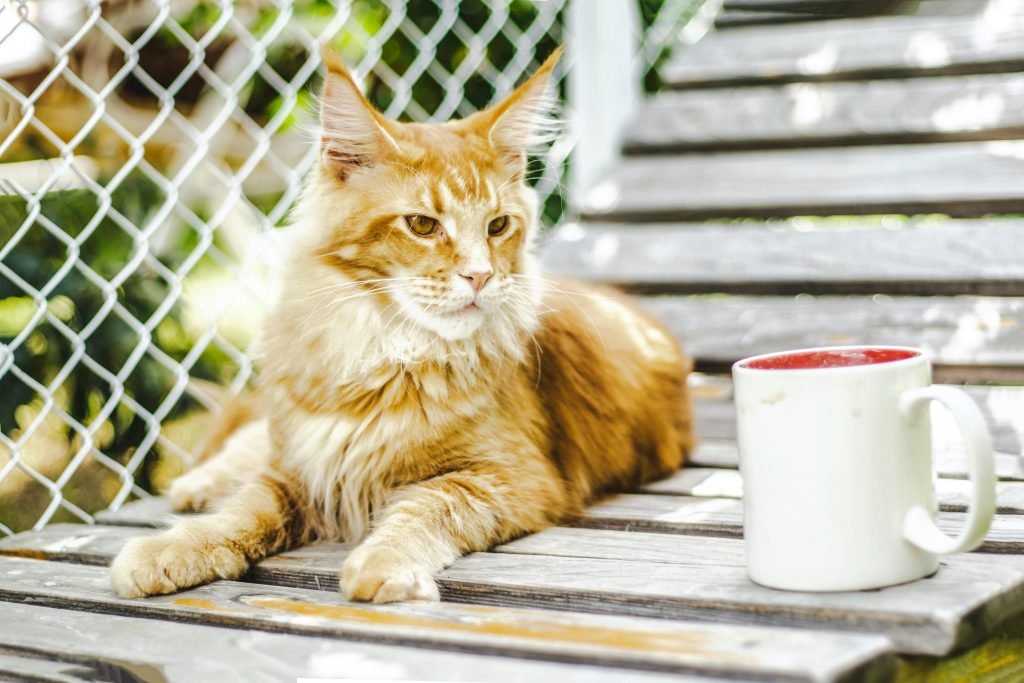
Maine Coon cats are one of the largest domestic cat breeds, but size does not automatically mean fragility. In fact, they are often quite robust and adaptable. Many Maine Coons remain playful and mobile well into their senior years.
Responsible breeding is especially important with this breed to reduce the risk of heart disease. When well-managed, Maine Coons are generally hardy cats that tolerate cold, stress, and household changes better than many breeds.
Maine Coon cats also come in a wide range of coat colors and patterns, which do not affect their health but often add to their appeal. If you are curious about the variety seen in this breed, this is a guide to Maine Coon color patterns.
American Shorthair Cats
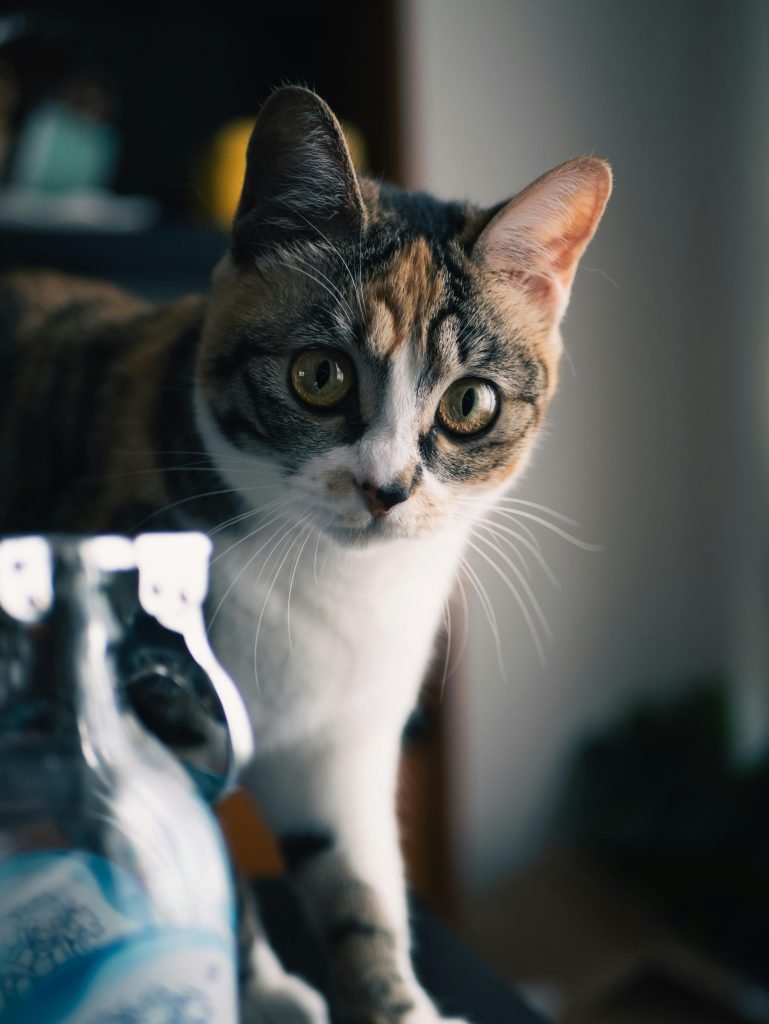
American Shorthair cats are often considered one of the healthiest and most balanced breeds overall, which is why they often appear on healthiest cat breeds lists. They were originally bred for function rather than appearance, which has helped preserve strong genetics.
These cats tend to have stable temperaments, good immune systems, and fewer breed-specific health problems. They are an excellent example of how natural selection and thoughtful breeding can support long-term health.
For more information about the breed, please visit this link from The Cat Fanciers’ Association.
Bengal Cats
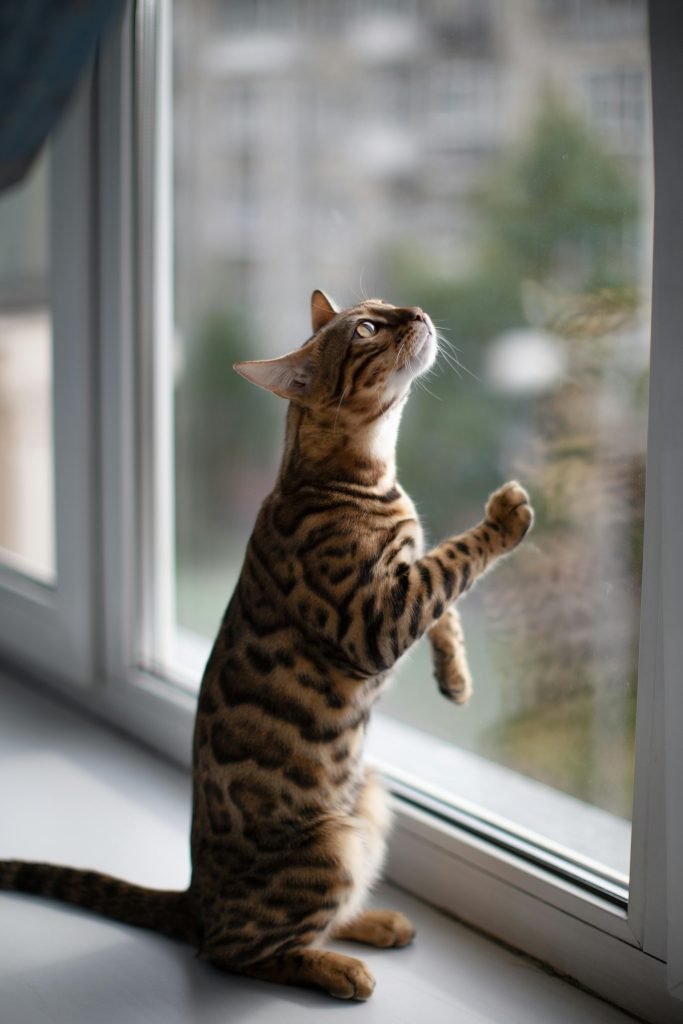
Bengal cats are exceptionally energetic and athletic, often behaving more like dogs than traditional house cats. They are strong, muscular cats that thrive on movement, exploration, and interaction. This constant activity helps them maintain a healthy body weight and excellent muscle tone, which supports joint health and overall metabolic balance.
Bengals are highly engaged with their environment and often enjoy games of fetch, leash walking, and interactive play. When their need for both physical exercise and mental stimulation is met, they tend to be resilient, fit cats with impressive stamina and vitality. For active households, Bengals often flourish when given the chance to stay busy and involved.
Sphynx Cats
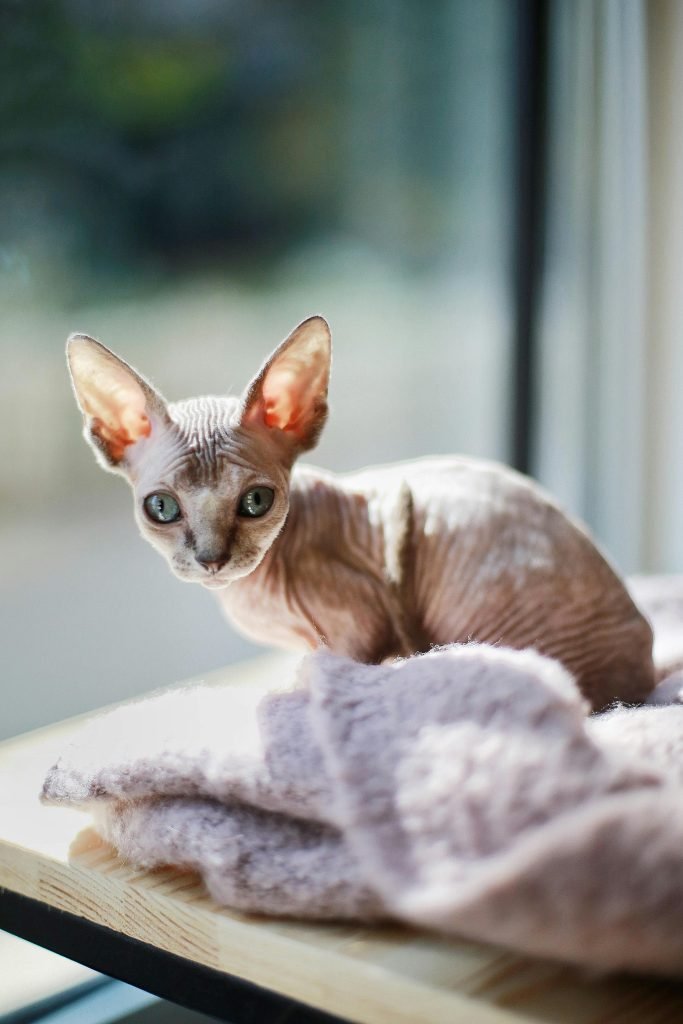
Sphynx cats may look delicate, but many are surprisingly sturdy. Their lack of fur means owners often notice skin or body changes earlier, which can lead to faster veterinary intervention when something is off.
They require regular skin care and warmth, but many Sphynx cats enjoy long lives with consistent preventive care. Their friendly, people-oriented nature also means owners tend to notice subtle health changes quickly.
What Really Makes the Healthiest Cat Breeds Healthy
Breed is only part of the picture when comparing the healthiest cat breeds. What matters most for long-term health:
- Regular veterinary visits
- High-quality nutrition
- Parasite prevention
- Dental care
- Early attention to changes in behavior
Mixed-breed cats can be just as healthy, if not healthier, than purebred cats. Even among the healthiest cat breeds, the goal is not perfection, but informed care and thoughtful observation.
| Breed | Health highlight | Worth knowing |
|---|---|---|
| Siamese | Stays active well into adulthood; easy-care short coat | Can be prone to certain inherited conditions |
| Maine Coon | Robust and adaptable despite large size | Responsible breeding matters to reduce heart disease risk |
| American Shorthair | Stable temperament, strong immune system, few breed-specific issues | Bred historically for function, which preserved genetic diversity |
| Bengal | High activity supports healthy weight, joints, and muscle tone | Needs consistent physical and mental stimulation to thrive |
| Sphynx | Hairlessness means skin/body changes are noticed early | Requires regular skin care and warmth |
Further Reading
For preventive care basics that apply to every breed, see the AVMA guide to your pet’s health.
The 5 Healthiest Dog Breeds and What Owners Should Know offers the same down-to-earth look at how genetics and body type influence long-term health, for dog owners in the household too.
Was the article helpful?