
Table of Contents
If you are dealing with cat vomiting after eating, seeing your cat vomit soon after a meal can be upsetting, especially when it starts to feel like a pattern. The timing of the episode often points toward different causes than vomiting that happens hours later. Understanding a few common reasons can help you describe what you are seeing and decide what needs attention.
Vomiting or regurgitation after eating
Vomiting is an active process. Many cats drool, retch, or crouch first, and what comes up may include yellow fluid called bile. Regurgitation is more passive, with food coming back up with little warning, often looking undigested and shaped like a tube.
The sooner food comes back up, the more likely eating mechanics are involved — gulping, swallowing air, or a sensitive gag reflex. Vomiting later after a meal fits better with stomach irritation, intestinal inflammation, parasites, or dietary upset.
The sooner food returns, the more likely eating mechanics are involved, such as gulping, swallowing air, or a sensitive gag reflex. Vomiting later after a meal fits better with stomach irritation, intestinal inflammation, parasites, or dietary upset. Both deserve a closer look if they happen repeatedly.
Notice what your cat does right afterward. Some cats vomit and then act normal and hungry, while others hide, seem painful, or stop eating. That after story is often as helpful as what is in the vomit.
Fast eating and bowl habits
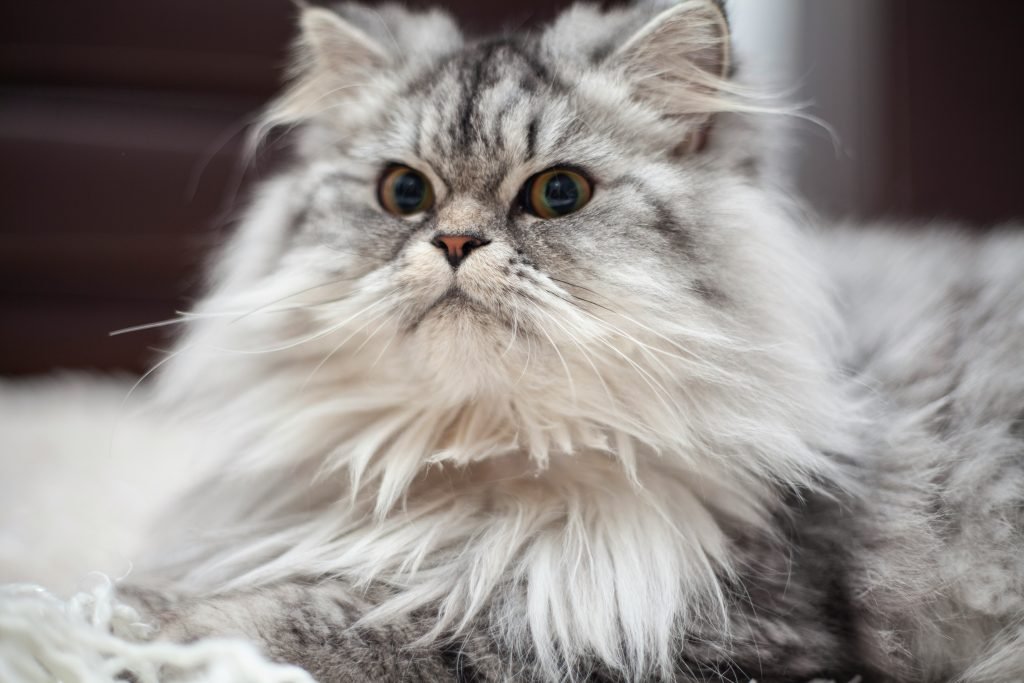
Fast eating is one of the most common reasons cats bring up food right after a meal. A cat that finishes in under a minute can trigger stomach stretch and a reflex that ejects the meal. Owners often notice intact kibble on the floor with a cat that wants to eat again right away.
If speed seems to be the trigger, changing how food is offered can matter as much as changing the food. Smaller portions, puzzle-style feeders, or splitting a meal between a few dishes can slow the pace and reduce air swallowing. If vomiting continues even when meals slow down, that is a clue to think beyond feeding speed.
Hairballs and meals
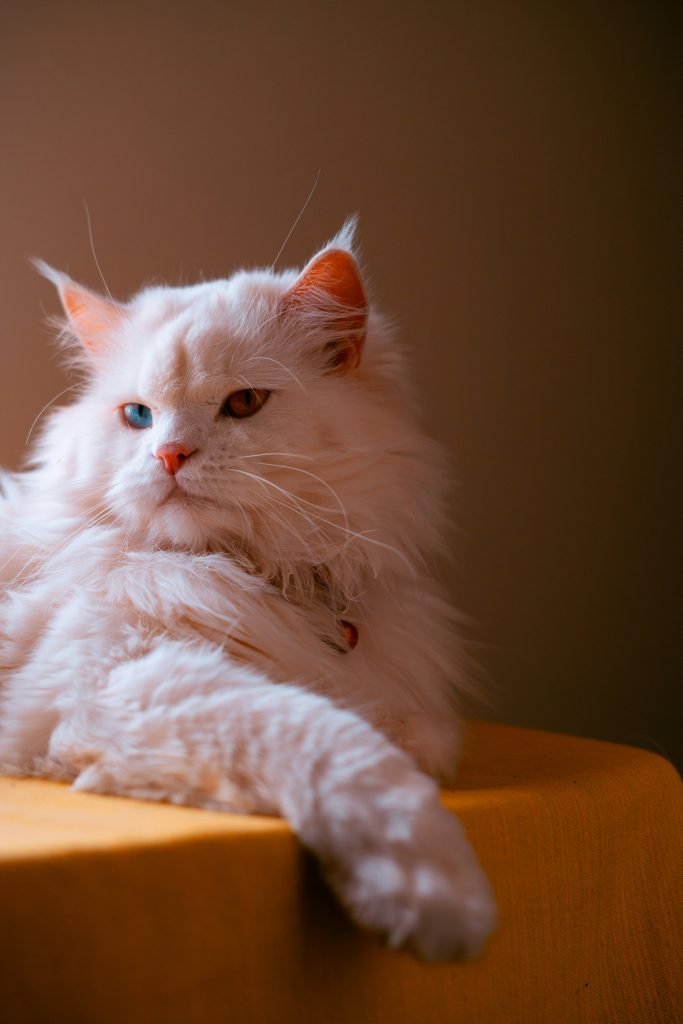
Hairballs form when swallowed hair stays in the stomach and mats into a clump. Eating can stimulate stomach movement, so a hairball may come up right after a meal, sometimes coated in food or bile. Long-haired cats and heavy groomers are more likely to have this pattern.
If hairballs seem closely tied to the vomiting, you may want practical ideas that support hair passage and reduce clumping. VetExplains has a guide that walks through common options owners consider, including grooming approaches and diet features, in Best hairball remedies for cats. It can help you choose a plan that matches your cat’s coat and routine.
It also helps to know what is normal. Occasional hairballs can be expected, but frequent retching, repeated hairballs, or gagging with little produced can mean the problem is not just hair. For a clear framework on normal versus concerning patterns, see When hairballs are considered normal.
Food intolerance and diet changes
Some cats vomit after eating because the stomach reacts poorly to a specific formula, ingredient, or texture. This is often called food intolerance, meaning the body struggles to handle the food, rather than a true allergy. Loose stool, gas, or waning and waxing appetite can show up alongside vomiting.
Diet changes can help some cats, but constant switching can make patterns harder to interpret. Your veterinarian may suggest a highly digestible diet, a novel protein diet, or a structured elimination trial depending on your cat’s history. If vomiting happens with many different foods, an underlying medical cause becomes more likely.
Medical problems linked to meals
Repeated vomiting after eating can come from inflammation in the stomach or intestines, infection, parasites, or pancreatitis, which is inflammation of the pancreas. Some cats also develop chronic intestinal inflammation called inflammatory bowel disease, which can make eating trigger nausea. Dental pain can contribute too, since cats may swallow awkwardly and then vomit.
In older cats, chronic vomiting can overlap with conditions like kidney disease, hyperthyroidism, or liver disease. These illnesses can cause nausea and weight loss, sometimes before other signs are obvious. That is why meal-related vomiting that persists, especially with weight change, deserves a thoughtful workup.
Red flags and when it is urgent
Vomiting after eating is more concerning when it comes with:
If your cat seems dull, cannot keep food down, or is acting very different than normal, that is a strong reason to seek care promptly.
- Lethargy or weakness
- Repeated unproductive retching
- Obvious abdominal pain
- Blood in the vomit
- Black, tar-like stool
- A swollen belly
- Vomiting water soon after drinking (risk of dehydration)
Foreign material, string, and certain toys can partially block the gut and cause vomiting that clusters around meals. Sometimes vomiting starts as occasional and then becomes frequent as irritation builds.
What helps your veterinarian figure it out
A short log can make the next steps much clearer. Track:
- How soon after eating it happens
- What the vomit looks like (hair, foam, bile, or undigested food)
- Appetite
- Water intake
- Stool quality
- Any weight change
If vomiting has become a frequent issue beyond mealtimes, it can help to step back and review the bigger picture. VetExplains covers common causes and patterns in Why do cats vomit so frequently, which pairs well with your notes. Together, those details help your veterinarian decide whether diet trials, lab work, or imaging is most appropriate.
Further Reading
Cat Vomiting: Why It Happens Often and When to Worry Now covers common causes and patterns beyond mealtimes, which pairs well with a log of your own cat’s episodes.
Best Hairball Remedies for Cats goes deeper into practical options if hairballs turn out to be the main driver.
Are Hairballs Normal? helps you judge whether the frequency you’re seeing is typical or worth mentioning to your vet.
This article is for educational purposes only and is not a substitute for professional veterinary care. Always consult a licensed veterinarian regarding your pet’s health and nutritional needs. As an Amazon Associate, Vet Explains earns from qualifying purchases.
Was the article helpful?