

Table of Contents
Fleas vs ticks in pets is a common comparison because both are external parasites, but they behave very differently. They create different health concerns for pets, and knowing how each parasite works helps you spot problems early and choose the right prevention for your dog or cat.
Quick answer: fleas are fast-moving insects that live in your pet's coat and cause itching, hair loss, and tapeworms. Ticks are slow-feeding arachnids that attach to the skin and are the main carriers of Lyme disease and other serious infections. Both need consistent, year-round prevention.
Fleas vs Ticks in Pets: How They Differ
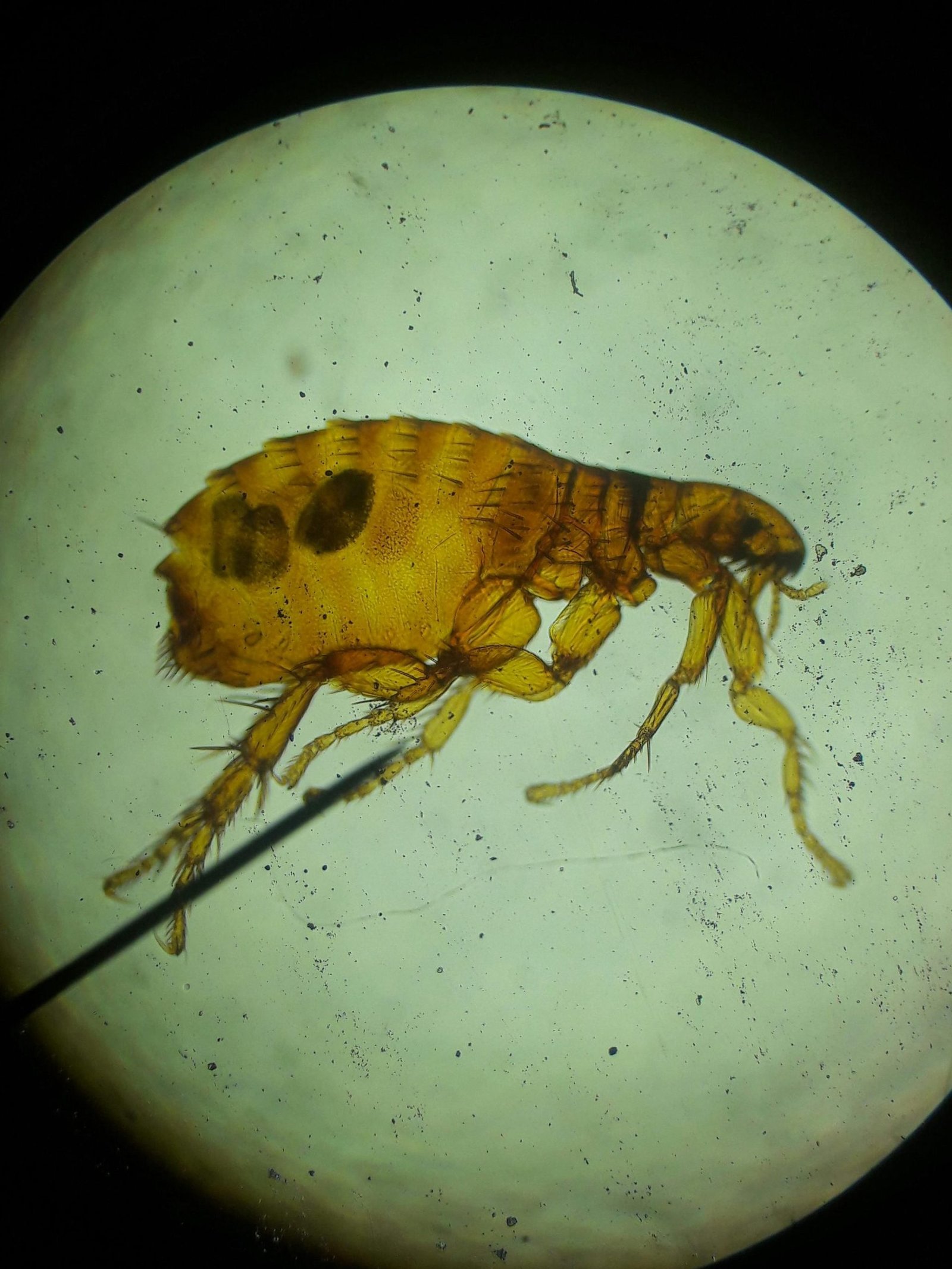
Fleas are tiny insects built to move fast. They jump easily and spend most of their time living in your pet’s coat, feeding on blood, and laying eggs. Those eggs fall into carpets, furniture, and bedding, which is why flea problems can quickly turn into a household issue rather than just a pet problem.
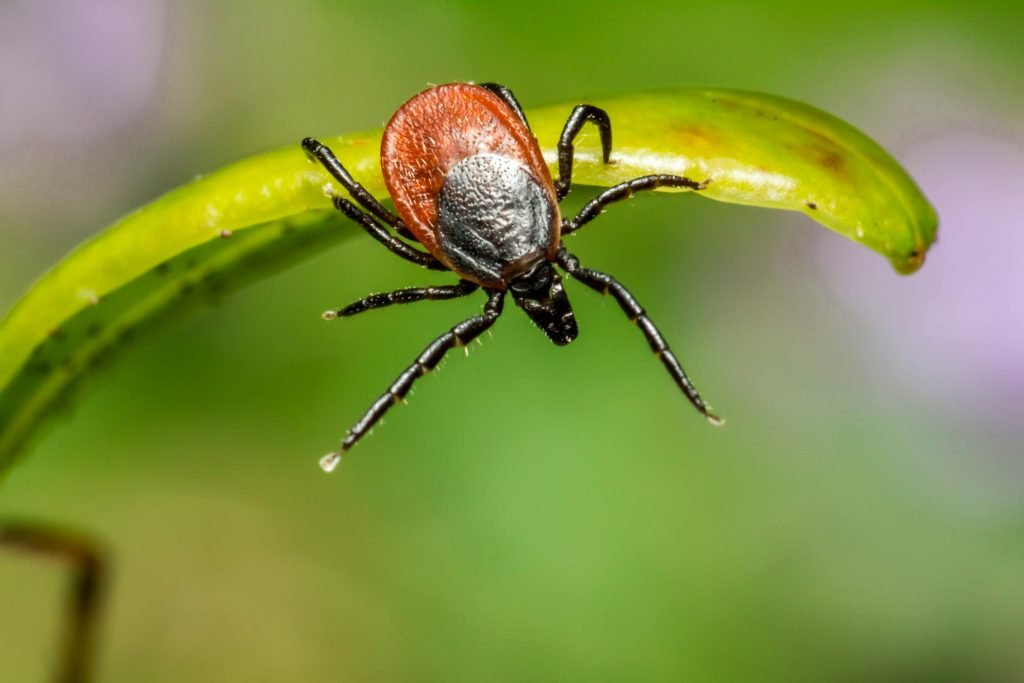
Ticks are not insects at all. They are arachnids, more closely related to spiders. Ticks crawl onto pets from grass or brush and attach firmly to the skin. Once attached, they feed slowly over days. Unlike fleas, ticks usually stay in one place, which is why they often feel like small bumps when you run your hand over your pet.
| Fleas | Ticks | |
|---|---|---|
| Type | Insect | Arachnid (related to spiders) |
| Movement | Jump and move quickly through the coat | Crawl on and attach in one spot |
| Feeding | Frequent, brief bites | Slow feeding over days |
| Main risks | Allergic dermatitis, anemia, tapeworms | Lyme disease, ehrlichiosis, Rocky Mountain spotted fever |
| How you notice | Black “pepper” flea dirt in the fur | Firm, attached bump on the skin |
Health Problems Caused by Fleas
Flea bites cause itching and skin irritation, but the effects can go much deeper. Many pets develop flea allergy dermatitis, where even a few bites trigger intense itching, redness, and hair loss. In young, small, or already ill pets, heavy flea infestations can lead to anemia due to blood loss.
Fleas can also transmit tapeworms. Pets become infected when they swallow a flea while grooming, which is a detail many owners find surprising.

Why Ticks Are a Serious Concern
Ticks pose a different type of risk. Their biggest danger is disease transmission. Ticks can carry infections such as Lyme disease, ehrlichiosis, and Rocky Mountain spotted fever. These illnesses can affect joints, organs, and overall energy levels, sometimes with lasting consequences if not treated promptly.
- Lyme disease
- Ehrlichiosis
- Rocky Mountain spotted fever
Ticks can also cause local skin infections at the attachment site. In rare cases, certain tick species can trigger tick paralysis, a condition that affects the nervous system and requires immediate veterinary care.
Seek veterinary care immediately if your pet suddenly seems unsteady, weak, or has trouble standing after spending time outdoors. This can be a sign of tick paralysis, which requires prompt treatment.
How to Check Your Pet at Home
Regular hands-on checks are one of the most effective habits you can develop. After walks, hikes, or outdoor play, gently feel your pet’s skin rather than just looking at the coat. Pay close attention behind the ears, under collars, along the neck, in the armpits, around the tail base, and between the toes.
- Behind the ears
- Under the collar
- Along the neck
- In the armpits
- Around the tail base
- Between the toes
Fleas may be hard to catch in motion, but you may notice flea dirt, which looks like black pepper in the fur. Ticks are usually felt as firm, attached bumps close to the skin.
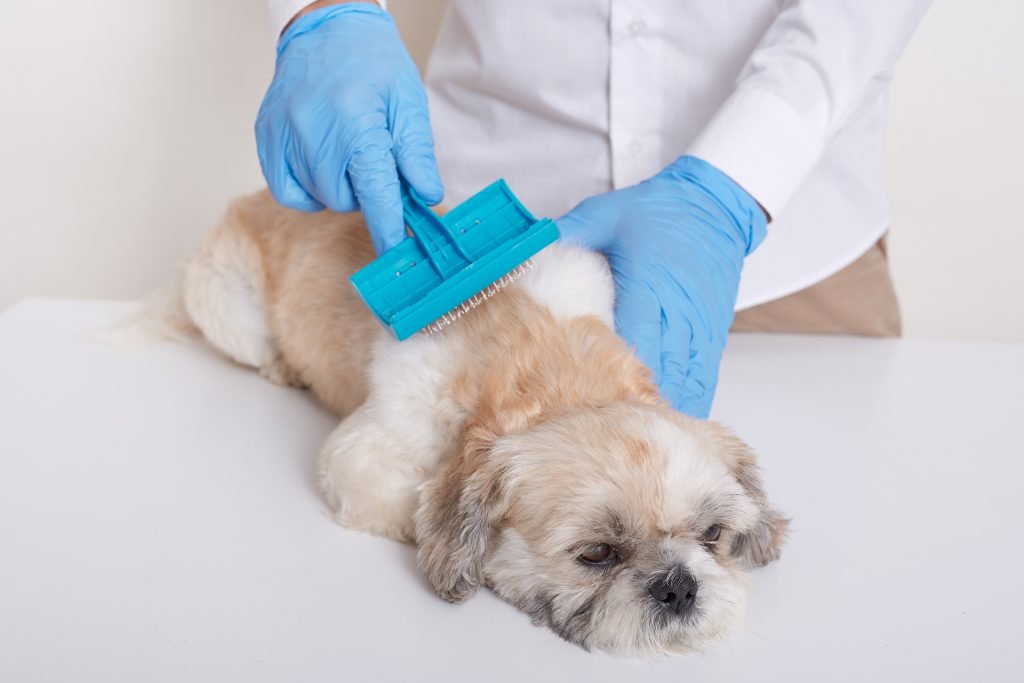
A fine-toothed flea comb makes these checks much easier, catching fleas and flea dirt that are hard to spot by eye alone, especially in pets with dense or long coats.
Preventing Fleas and Ticks
Consistent prevention is far easier than treating an infestation or disease. Year-round flea and tick prevention is recommended for most pets, even those that spend limited time outdoors. Products work best when they are used regularly and correctly.
Keeping your home environment clean also helps. Regular vacuuming and washing pet bedding reduces flea eggs and larvae. Routine grooming allows you to notice changes in your pet’s skin or coat before they become serious.
Further Reading
Can Indoor Cats Even Get Fleas? looks at why staying indoors does not fully protect cats from flea exposure, a useful companion to this comparison.
For a veterinary parasite reference, see the Companion Animal Parasite Council flea guideline.
Natural Flea Treatments. Do They Really Work? examines the evidence behind popular natural flea remedies before you decide on a prevention plan.
Parasite Prevention for Dogs and Cats explains how flea, tick, heartworm, and intestinal parasite prevention fit together year-round.
This article is for educational purposes only and is not a substitute for professional veterinary care. Always consult a licensed veterinarian regarding your pet’s health and nutritional needs. As an Amazon Associate, Vet Explains earns from qualifying purchases.
Was the article helpful?