
Table of Contents
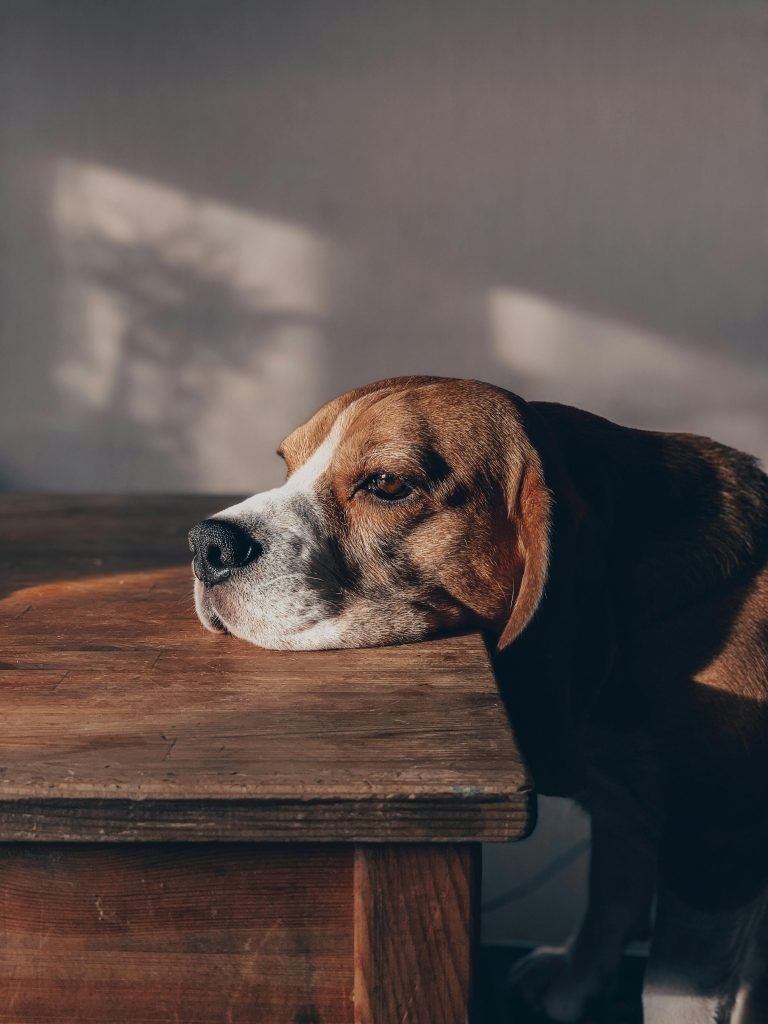
Separation anxiety in dogs is one of the more emotionally difficult behavior problems owners face. It can be exhausting to live with and upsetting to witness, especially when you can see how distressed your dog becomes the moment you leave. This condition occurs when a dog experiences fear or panic when separated from the person with whom they feel safest, most often their primary caregiver.
For your dog, separation anxiety is not simply about being alone — it is about feeling unsafe and unable to cope. The reassuring part: it is very real, widespread, and very treatable with the right approach.
How Separation Anxiety Starts
Dogs are social by nature. They evolved to live alongside others, whether that was other dogs or humans. Because of this, close bonds are normal and healthy. Problems arise when that attachment becomes so strong that a dog cannot settle or feel secure when the person they rely on is gone.
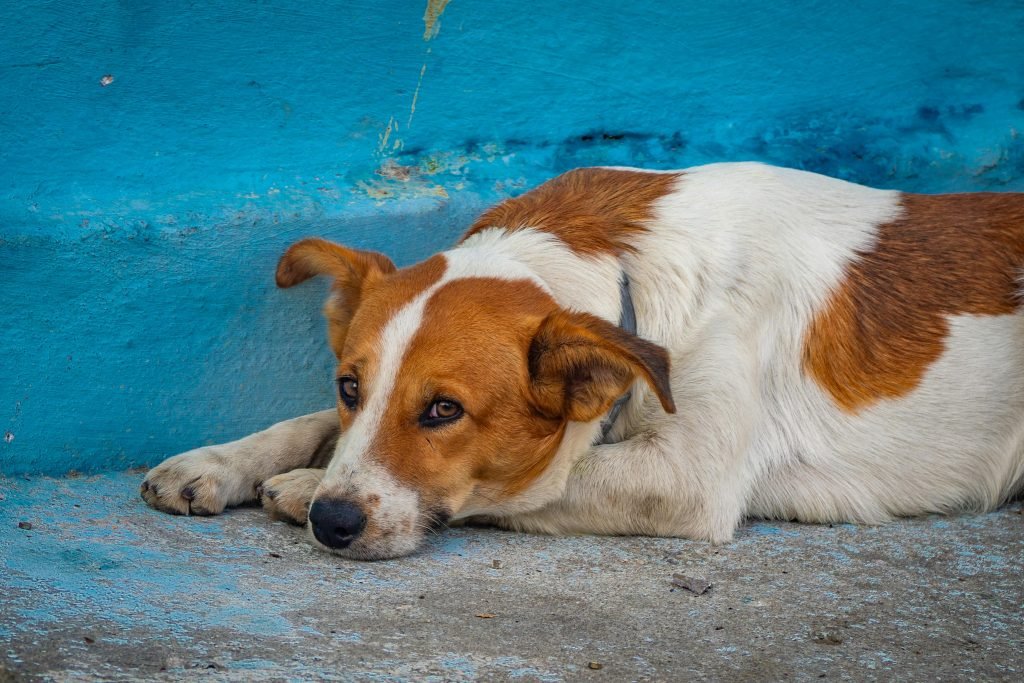
Some dogs are more vulnerable than others. Those who experienced early loss, neglect, frequent rehoming, or long periods of instability often struggle more with separation. Shelter dogs are especially prone, not because they are flawed, but because their past has taught them that people sometimes disappear.
In other cases, separation anxiety appears suddenly. A move to a new home, a change in work schedule, illness in the family, or the loss of a household member can all disrupt a dog’s sense of safety. Even dogs who were previously confident can develop anxiety after these changes.

Signs of Separation Anxiety in Dogs
Separation anxiety does not look the same in every dog. Some dogs show obvious distress; others struggle quietly until the behavior escalates. Common signs include:
- Destructive chewing, especially around doors and windows
- Vocalizing, such as barking or howling when left alone
- Accidents in the house despite being well housetrained
- Escape attempts, scratching at doors or crates hard enough to injure themselves
- Intense clinginess when the owner is home
These behaviors are not deliberate; they are signs that a dog is overwhelmed and does not know how to cope with being alone.
Separation Anxiety Is Not Misbehavior
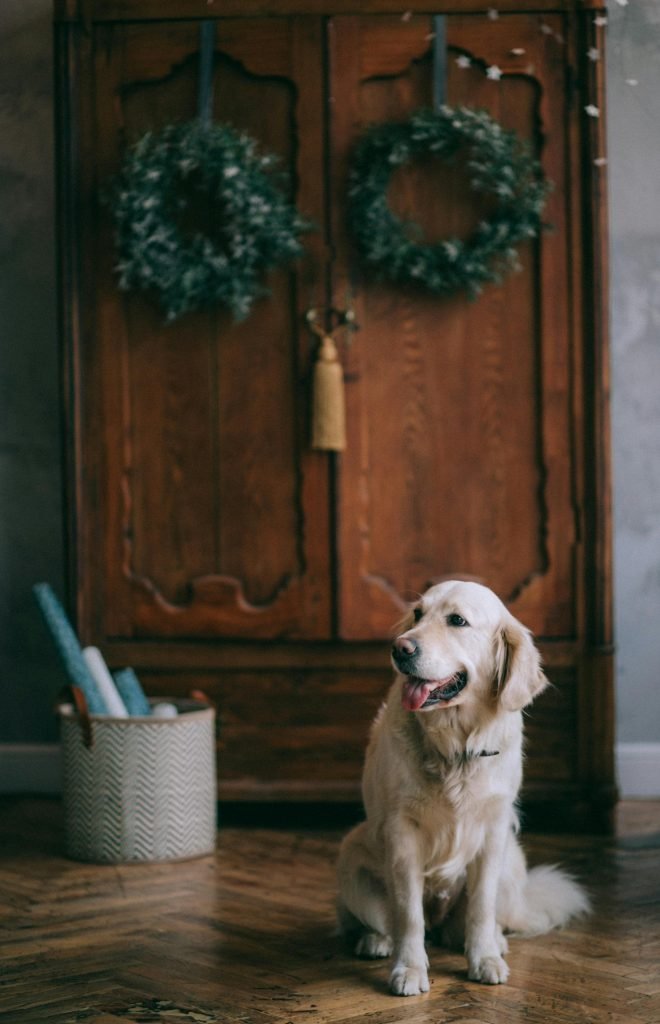
One of the most important things to understand is that separation anxiety is not misbehavior. Dogs are not acting out of spite or trying to punish you for leaving. They are not being stubborn or manipulative. They are responding to panic. This is also not a sign that you failed at training. Even well-trained, well-cared-for dogs can develop anxiety. Punishment does not improve separation anxiety. In fact, it almost always makes it worse by adding fear and confusion to an already stressful situation.
What your dog needs is reassurance, structure, and patience.
How You Can Help Your Dog
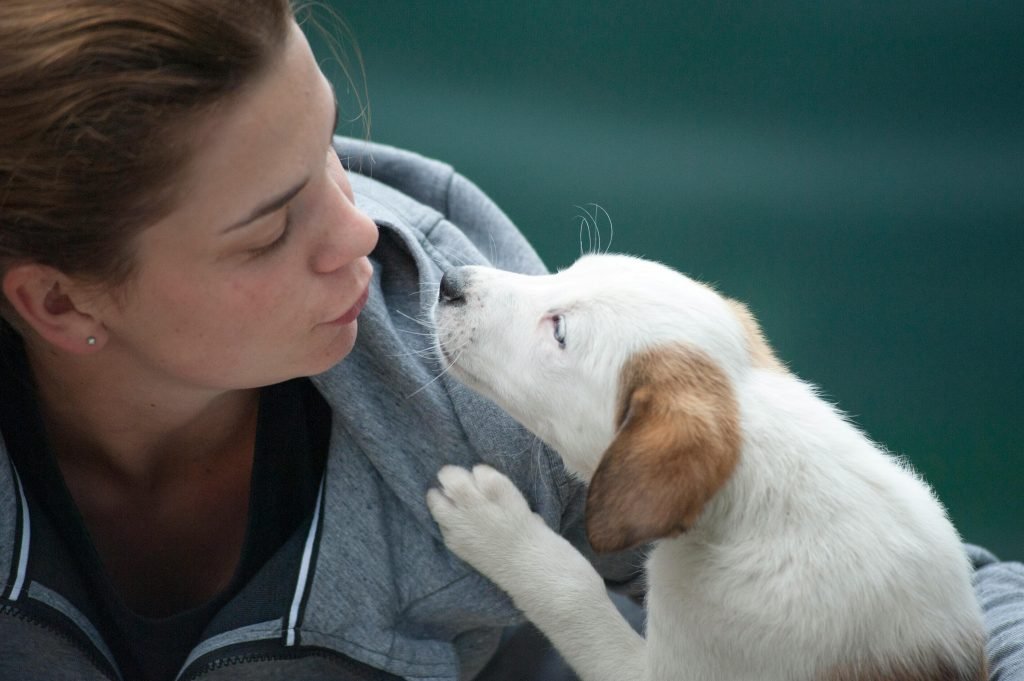
Helping a dog with separation anxiety takes time, but small, consistent steps make a big difference. Gradual desensitization is one of the most effective strategies. This means teaching your dog that being alone is safe by starting with very short absences and slowly increasing the duration (even a minute) only when your dog is calm. Read about general anxiety tips.
Keeping departures and arrivals low-key is also important. Emotional goodbyes and excited greetings may feel kind, but they often reinforce the idea that separation is a big and scary event. Calm, predictable routines help dogs feel more secure.
Mental stimulation can also reduce anxiety. Providing puzzle feeders, food-stuffed toys, and enrichment activities gives your dog something positive to focus on while you are away. Regular exercise and play help lower overall stress levels and improve emotional resilience.
Supportive Tools and Products
Some dogs benefit from additional support alongside training:
- Interactive toys to keep the mind occupied
- Calming supplements made with gentle ingredients (such as VetriScience Composure calming chews), such as Zesty Paws Calming Chews
- Pheromone diffusers (like a ThunderEase diffuser kit) for a more soothing environment, such as the ThunderEase Calming Pheromone Diffuser
- Compression garments (such as a ThunderShirt) to help certain dogs feel more grounded, such as a ThunderShirt anxiety vest
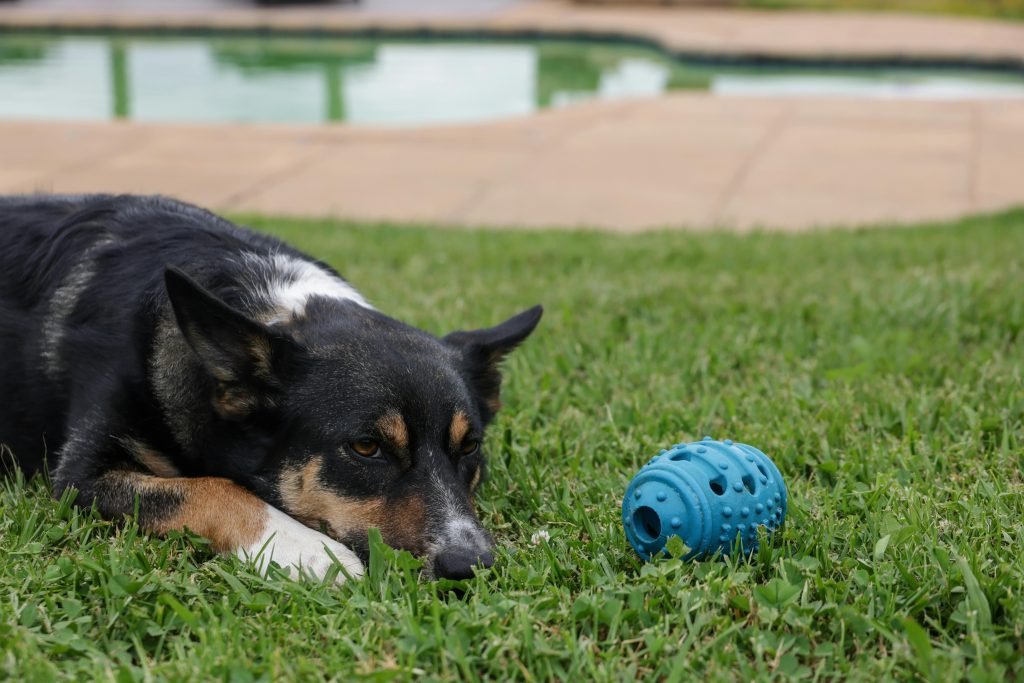
These tools are not cures on their own, but they can be helpful when used as part of a thoughtful, consistent plan.
When Professional Help Is Needed
If your dog’s anxiety is severe, worsening, or leading to injury or extreme distress, it is important to involve your veterinarian. A medical exam can rule out underlying health issues, and in some cases, medication may be recommended. These medications are designed to lower anxiety enough that training can work, not to sedate your dog.
A qualified behaviorist or trainer can also guide you through a customized plan and help you avoid common setbacks. Many dogs with significant separation anxiety improve greatly with professional support.
Further Reading
How to Keep Pets Calm During Christmas & Fireworks focuses on managing fear related to loud sounds and holiday disruptions, useful if your dog’s anxiety extends beyond time alone.
For a veterinary behavior reference, see VCA Animal Hospitals on separation anxiety in dogs.
This article is for educational purposes only and is not a substitute for professional veterinary care. Always consult a licensed veterinarian regarding your pet’s health and nutritional needs. As an Amazon Associate, Vet Explains earns from qualifying purchases.
This article is for educational purposes only and is not a substitute for professional veterinary care. Always consult a licensed veterinarian regarding your pet’s health and nutritional needs. As an Amazon Associate, Vet Explains earns from qualifying purchases.
Was the article helpful?