

Table of Contents
Feeding decisions feel personal because they touch your dog’s comfort every day. The good news is that both canned-style diets and kibble can support excellent health when the food is complete and balanced. The choice usually comes down to hydration, calories, convenience, and what your dog does best with long-term.
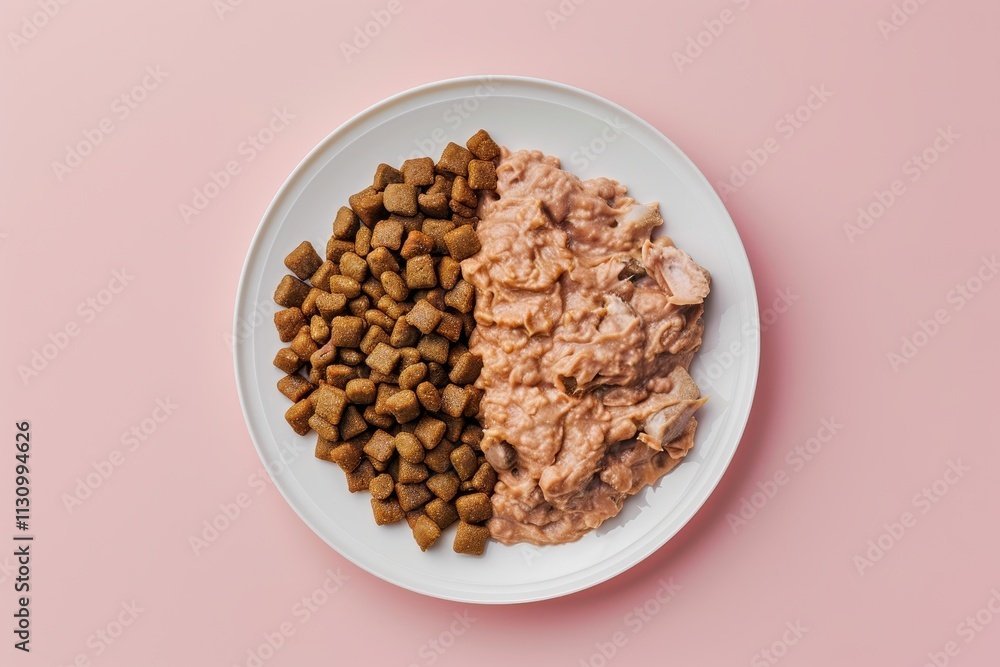
Most questions about wet vs dry dog food are really questions about your dog’s appetite, stool quality, weight, and daily routine. Wet food brings moisture and a strong aroma, while dry food brings convenience and calorie density. Neither format is automatically better without considering the dog in front of you.
A common pattern is a dog who has done well on kibble for years, then suddenly eats slowly or walks away from meals. That shift matters more than the format, because it can point to dental discomfort, nausea, or stress rather than pickiness. If appetite changes last more than a day or two or come with vomiting, diarrhea, lethargy, or pain, it is worth checking in with a veterinarian while you track what changed.
| Category | Wet food | Dry food |
|---|---|---|
| Hydration | Adds meaningful water intake, helpful for dogs that do not drink much | Lower moisture, relies on separate water intake |
| Calories & portion control | Feels generous per bowl, fewer calories per bite | Calorie-dense, easy to overfeed without careful measuring |
| Palatability | Softer and more aromatic, easier for sore mouths or reluctant eaters | Some dogs prefer the crunch, but it is not a substitute for dental care |
| Cost & storage | Costs more per calorie, needs refrigeration once opened | Easier to store, portion, and travel with |
Quick Answer
For most healthy adult dogs, either wet or dry food works well — the right choice depends on your dog’s age, weight, dental health, and what they’ll consistently eat. Wet food supports hydration and palatability; dry food is more calorie-dense and easier to store. Many vets recommend mixing both or choosing based on your dog’s specific health needs.
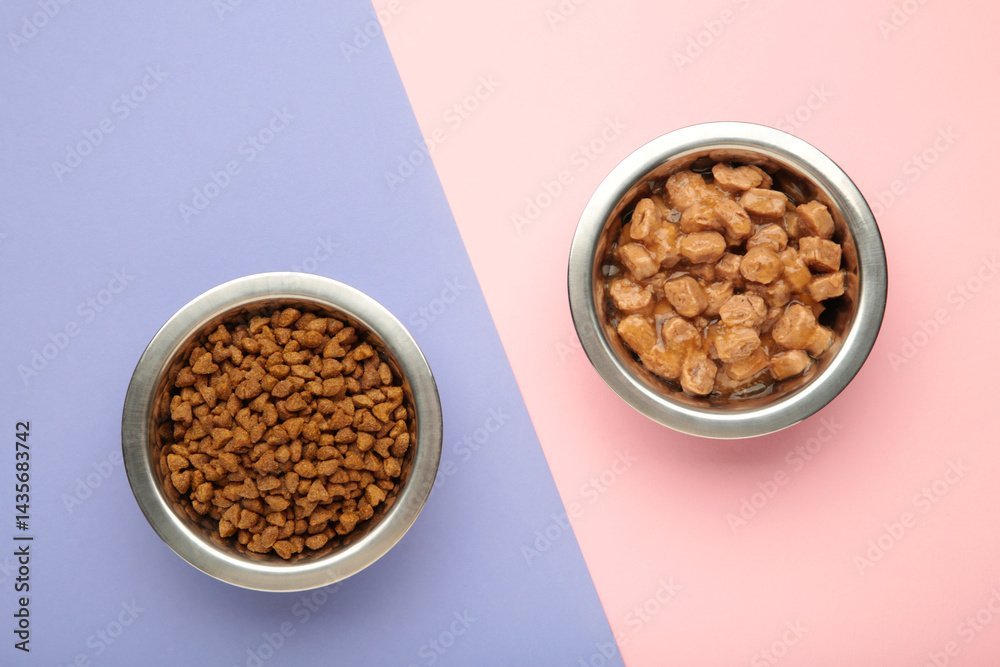
Wet vs Dry Dog Food: What Changes With Moisture
Wet food carries a lot of water, so each bite has fewer calories than kibble. This often makes meals feel larger and more satisfying even when calories are controlled. For dogs that do not drink much, the added moisture can meaningfully increase total fluid intake across the day.
This moisture also changes what you notice in the litter-free world of dog ownership: urine, stool, and thirst. Some dogs on wetter diets urinate a bit more and pass stools that look softer because there is simply more water moving through. Those changes can be normal as long as stool shape stays formed and your dog feels well.
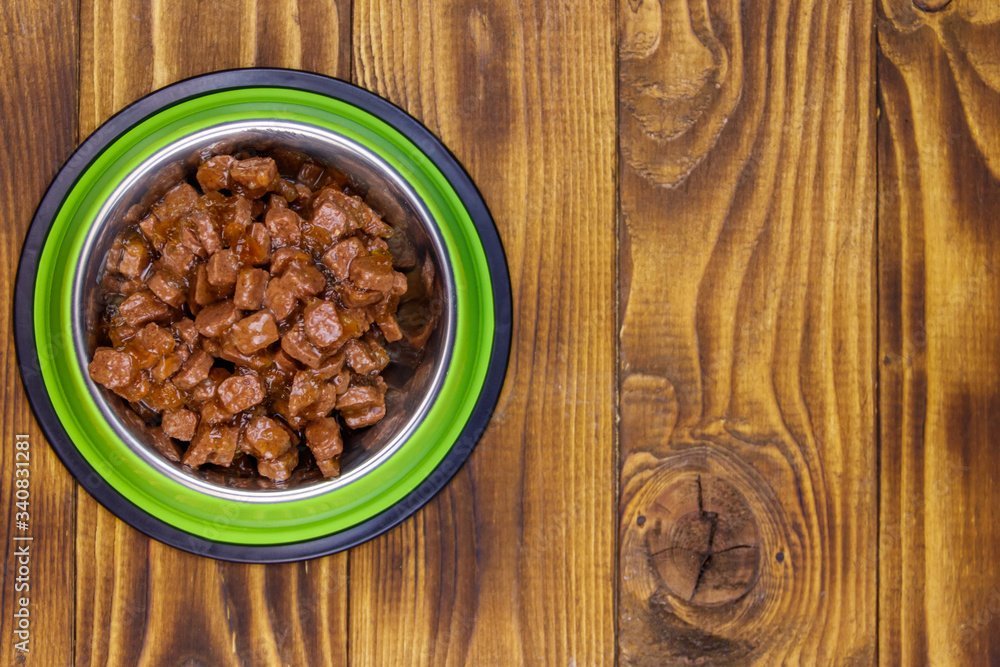
Portion size, calories, and weight control
The biggest practical difference between formats is how easy it is to overfeed without realizing it. Kibble packs many calories into a small volume, so a “little extra” can add up quickly over weeks. Wet food can look like a generous portion, which sometimes makes owners feel reassured even when calories are appropriate.
For weight gain, weight loss, or maintenance, calories matter more than moisture. If you change formats, the feeding amount almost always needs to change too, even if the bowl looks similar. A steady body condition, where ribs are easy to feel and the waist is visible, is a more reliable guide than how full the dish appears.

Appetite, seniors, and dogs that eat reluctantly
Wet diets often win on smell and texture, which can help dogs that are recovering from illness or have a lower drive to eat. The softer texture can also be easier for older dogs who have missing teeth or tender gums. That said, a sudden preference for soft food can be a clue to mouth pain, so it should not be brushed off as a harmless quirk if it is new.
Dry food can still work well for seniors when teeth and gums are comfortable, and some dogs genuinely prefer crunch. If a dog starts dropping kibble, chewing only on one side, or leaving hard pieces behind, that is useful information. In those cases, changing texture may improve eating, but it is also reasonable to think about an oral exam.
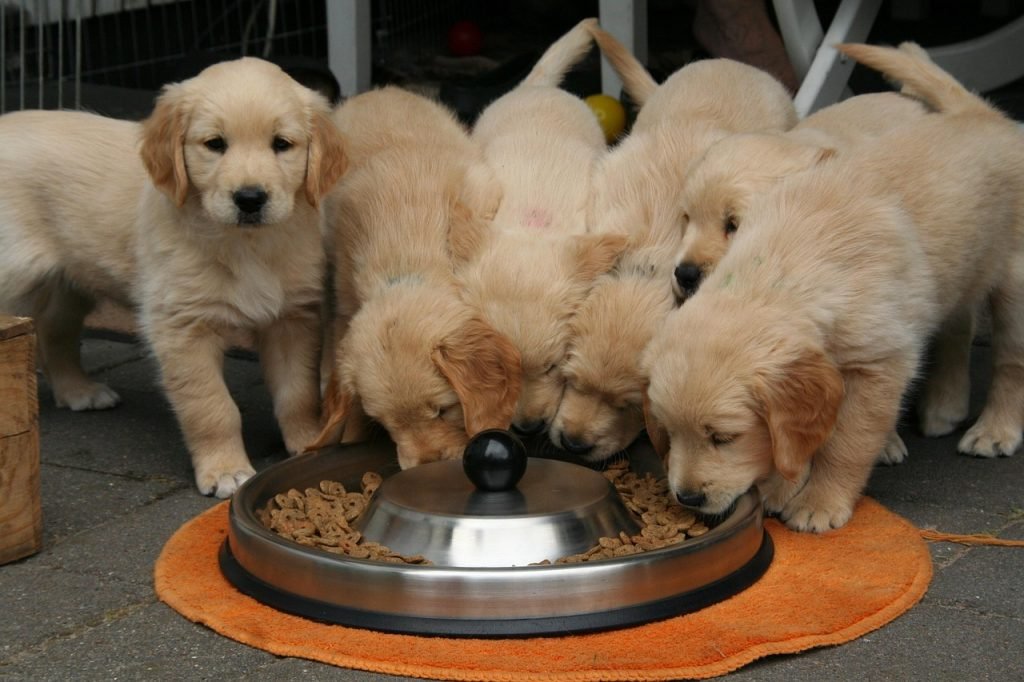
Teeth, tartar, and the “kibble cleans teeth” belief
The idea that dry food cleans teeth is only partly true. Some dogs do scrape a little plaque off with chewing, but most kibble breaks quickly and does not behave like a toothbrush. Dental disease is driven by bacteria below the gumline, genetics, and how much plaque stays on the teeth over time.
Wet food does not automatically cause dental disease either. Dogs develop tartar and gingivitis (from the Latin gingiva, “gum,” plus the Greek -itis, “inflammation”) for many reasons, including small mouth shape, crowding, and how their saliva interacts with bacteria. If dental health is the priority, daily tooth brushing and veterinarian-guided dental care matter more than wet versus dry.

Cost, storage, and real-life feeding routines
Dry food is usually easier to store, portion, and use for training rewards. It travels well, stays stable in a bag when kept dry, and can be left out briefly without spoiling as quickly. Those conveniences can make consistency easier, and consistency is a quiet strength in canine nutrition.
Wet food can cost more per calorie and is fussier once opened. Leftovers need refrigeration, and warm weather raises spoilage risk faster, especially if your dog grazes. If you use canned diets, simple habits like timely cleanup and covered storage can prevent digestive upset that has nothing to do with the recipe itself.
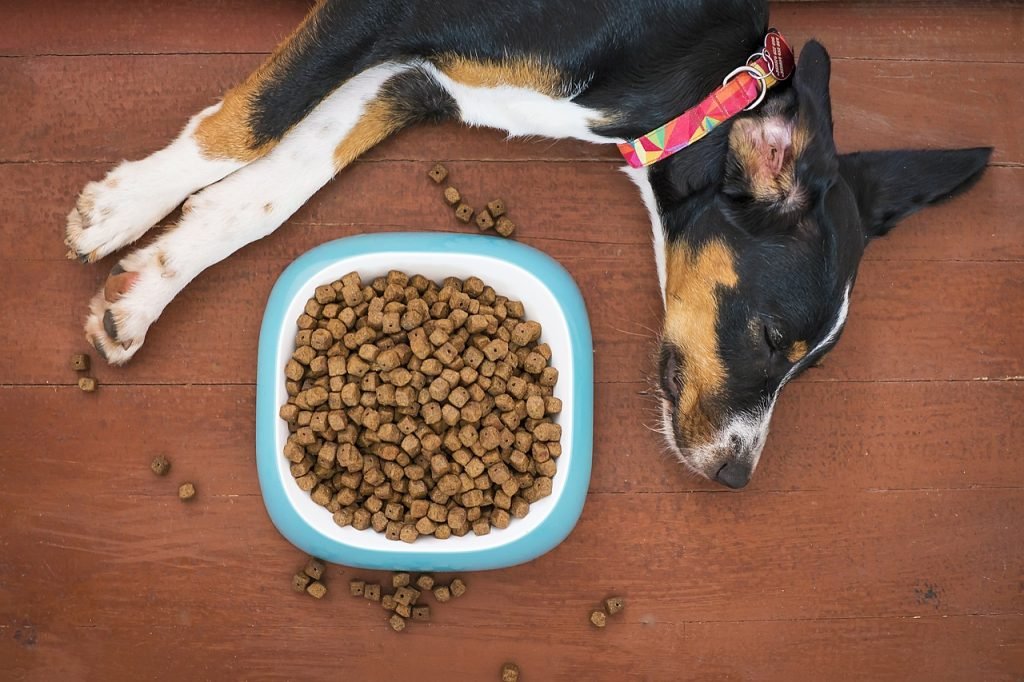
Mixing formats and switching without stomach upset
Many dogs do well with a combination of wet and dry in the same day or the same bowl. Mixing can add aroma and moisture while keeping meals easy to measure. The main risk is accidental extra calories, since it is easy to add “a little topping” without reducing the base portion.
Any diet change is gentler when it is gradual. A slow transition lets the gut microbiome adjust and reduces the chance of loose stool, gas, or vomiting that can happen even with high-quality foods.
See a vet now if a food switch comes with persistent diarrhea, vomiting, blood in the stool, repeated refusal to eat, or signs of dehydration. A food switch is not the whole plan in that situation, and medical guidance becomes the next step.
How to judge quality in either wet or dry form
The most meaningful label feature is whether the food is complete and balanced for your dog’s life stage. A clear nutritional adequacy statement helps confirm that the recipe meets established nutrient profiles, rather than being a snack or topper. This matters because dogs can look fine on an unbalanced diet for a while before problems appear.
Ingredient lists are easy to overinterpret because they do not show nutrient completeness or digestibility on their own. Two foods can look different on the label and still deliver similar nutrition, and two foods that look similar can behave differently in a particular dog. The practical test is steady energy, stable stool, a healthy coat, and a body condition that stays consistent over months.
Further Reading
If you are feeding a young dog and wondering which format suits the puppy growth phase, Puppy Food for Healthy Growth: Top 5 Picks explains what to look for in a puppy-specific formula, why life stage matters on the label, and how to compare options whether you feed wet, dry, or a mix of both.
If your dog is entering the senior years and eating more slowly or losing interest in food, Signs Your Dog Is Becoming a Senior and What Vets See Early covers the physical and behavioral shifts that appear first — including appetite and weight changes owners often attribute to food preference rather than age.
If you are weighing wet versus dry partly because of dental tartar concerns, The Best Dog Dental Chews Explained by a Vet gives a clearer picture of what actually supports dental health, why kibble alone rarely makes a meaningful difference, and which additional steps veterinarians recommend for cleaner teeth.
Was the article helpful?