

Table of Contents
Why does my dog have diarrhea? It is one of the most common digestive questions owners ask, and it often appears suddenly. Many dogs seem completely normal one day and then develop loose stool the next, which can be stressful to see. While diarrhea is unpleasant, it also serves as a signal that the digestive tract is reacting to an imbalance.
In many dogs, diarrhea is mild and short-lived. In other cases, it can be an early clue that the body is dealing with infection, inflammation, or another underlying issue. Understanding what diarrhea means and knowing when it deserves closer attention helps owners respond calmly and appropriately.
Quick answer: mild diarrhea in an otherwise bright, eating, drinking dog usually resolves within a day or two with simple home care. See a veterinarian sooner if it lasts more than two days, or if you notice blood, black tarry stool, vomiting, lethargy, or your dog just seems off.
What Diarrhea Really Means in Dogs
Diarrhea is not a disease in itself. It is a symptom that tells us the intestines are not doing their usual job of absorbing water and nutrients. When digestion moves too quickly, or the intestinal lining becomes irritated, stool stays loose instead of forming normally.
This disruption can happen for many reasons. Sometimes the intestines are reacting to something eaten. Other times, the immune system is responding to infection or inflammation. Looking at your dog’s overall behavior and health is often more helpful than focusing only on the stool.
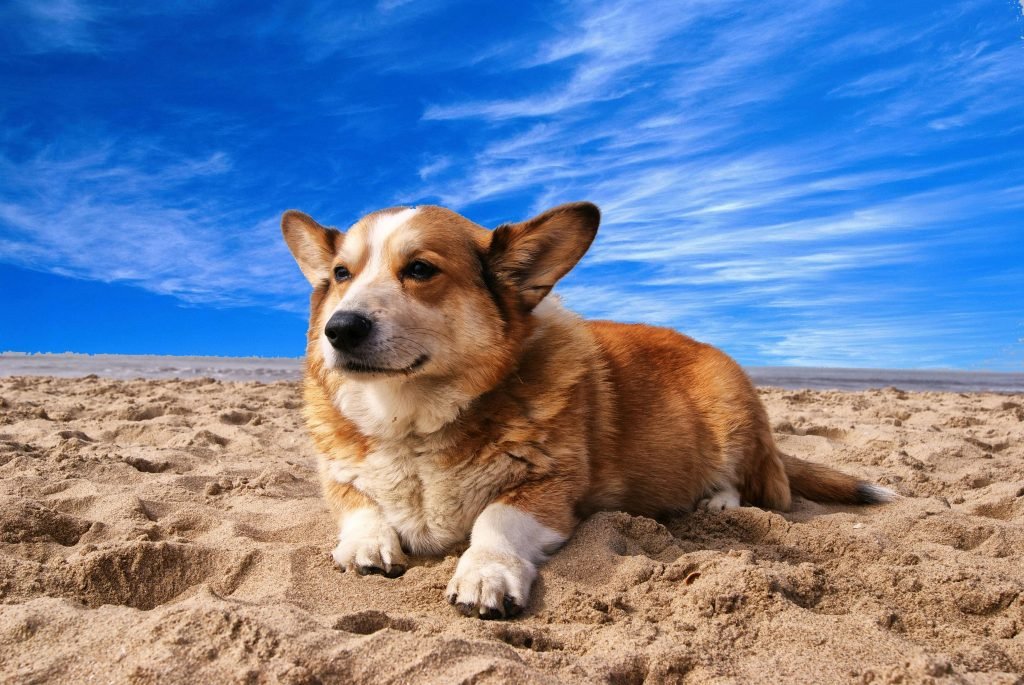
Why Does My Dog Have Diarrhea? Common Reasons
Dietary indiscretion is one of the most frequent causes. Dogs often eat things they should not, including garbage, spoiled food, fatty leftovers, or unfamiliar treats. Even a small amount of something rich or unusual can irritate the gut.
Sudden diet changes are another common trigger. Switching foods too quickly can upset the balance of normal gut bacteria, leading to loose stool. Stress can also play a role. Travel, boarding, visitors, loud noises, or changes in routine can all affect digestion in sensitive dogs.
Parasites such as roundworms, hookworms, or Giardia are especially common in puppies and young dogs. Bacterial or viral infections may also cause diarrhea, sometimes along with vomiting or fever. Some dogs develop food intolerances that cause repeated digestive upset over time rather than a single episode.
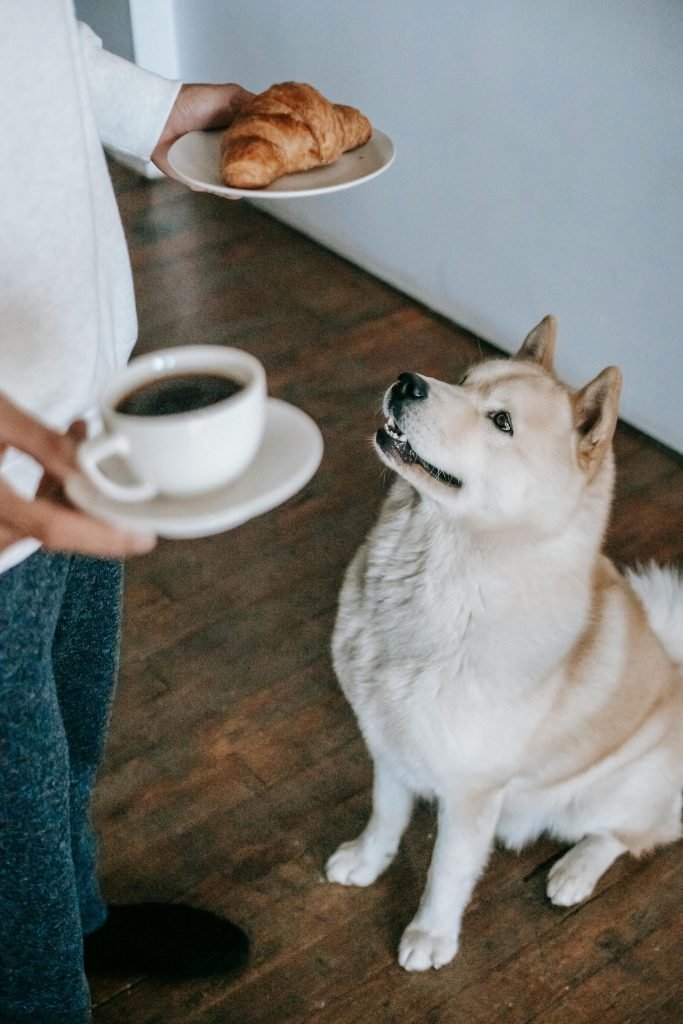
When Diarrhea Is Usually Mild
If your dog is bright, alert, eating, drinking, and interested in normal activities, mild diarrhea is often not an emergency. Many uncomplicated cases resolve within one to two days as the intestines settle and recover.
During this period, stools may be soft or loose but should gradually improve. A dog that remains comfortable and hydrated often does well with careful observation. Many owners notice that stool firms up on its own once the trigger has passed.
Signs That Mean It Is Time to See a Veterinarian
Certain changes suggest diarrhea may be more serious. Diarrhea that lasts longer than two days should be evaluated. Blood, excessive mucus, or stool that appears black and tarry can indicate inflammation or bleeding within the digestive tract.
Other warning signs include vomiting, loss of appetite, fever, weakness, collapse, or signs of dehydration such as dry gums or unusual tiredness. Puppies, senior dogs, and dogs with ongoing medical conditions should be checked sooner because they can decline more quickly.
Many owners describe a feeling that their dog is just not quite right. That instinct matters. If your dog seems painful, uncomfortable, or different from normal in a way that concerns you, seeking guidance is reasonable.
See a veterinarian if diarrhea lasts more than two days, or if you notice blood, excessive mucus, black tarry stool, vomiting, loss of appetite, fever, weakness, collapse, or signs of dehydration. Puppies, senior dogs, and dogs with ongoing medical conditions should be checked sooner.
What You Can Safely Do at Home
For mild diarrhea in otherwise healthy adult dogs, a short break from food can allow the intestines to rest. This is typically around twelve to twenty-four hours. Fresh water should always remain available unless a veterinarian advises otherwise.
After this period, a bland diet is often well tolerated. Plain boiled chicken and white rice are commonly used because they are easy to digest. Offering small portions several times a day helps reduce strain on the digestive system while you watch for improvement.
Avoid giving human medications unless specifically directed by a veterinarian, as some products are unsafe for dogs. Hydration is especially important, since fluid loss can happen quickly with ongoing diarrhea.
How Veterinarians Look for the Cause
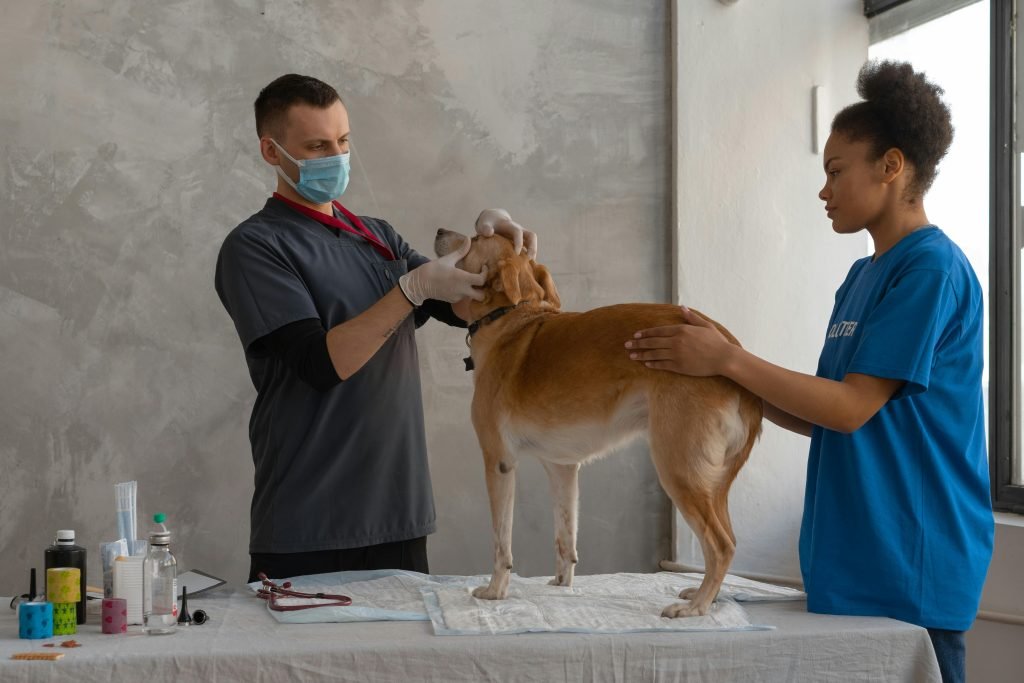
Evaluation usually starts with detailed questions about timing, diet changes, stress, and possible exposure to new foods or environments. These details often point toward the most likely causes before any tests are performed.
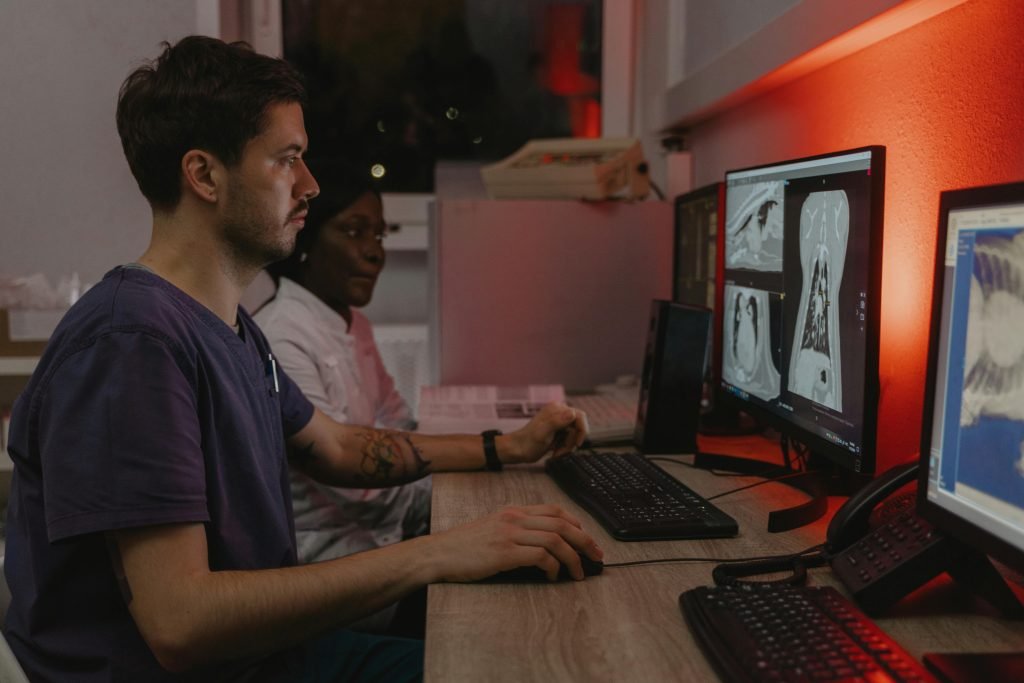
A fecal exam is commonly used to check for parasites or abnormal organisms. In some cases, bloodwork helps assess hydration, inflammation, or organ function. Imaging, such as X-rays or ultrasound, may be recommended if there is concern for obstruction or a more serious disease.
Treatment Depends on the Individual Dog
There is no single treatment that fits every case of diarrhea. Some dogs improve with dietary changes and supportive care alone. Others need treatment for parasites, probiotics to support gut bacteria, fluids, or prescription diets.
In certain situations, additional medications are needed to address infection or inflammation. The goal is always to treat the underlying cause while protecting hydration and supporting the digestive tract as it heals.
Reducing the Risk of Future Episodes
Not all diarrhea can be prevented, but a few habits lower the risk:
- Transition foods slowly over 7-10 days
- Secure trash and limit rich table scraps
- Keep up with routine parasite prevention
- Maintain consistency in diet and treats for sensitive stomachs
- Schedule regular wellness visits to catch problems early
Further Reading
Signs of Pancreatitis in Dogs and What Bloodwork Shows covers a condition that can cause similar GI symptoms and is worth ruling out when diarrhea persists or recurs.
For a general veterinary reference, see VCA Animal Hospitals on diarrhea in dogs.
Pancreatitis vs Gastroenteritis in Dogs: Bloodwork Differences Explained explains how vets tell apart two common causes of digestive upset using bloodwork.
Was the article helpful?