

Table of Contents
Christmas is a joyful time for families, filled with festive meals and delicious treats. However, holiday foods toxic to dogs can make it one of the most dangerous times of year for pets. Veterinarians consistently report a sharp increase in emergency visits during the holiday season—often due to well-meaning owners feeding their pets foods they didn’t realize were toxic.
Quick answer: chocolate, xylitol, grapes/raisins, onions/garlic/leeks, and alcohol are toxic to dogs even in small amounts. High-fat foods like ham, turkey skin, and gravy can trigger pancreatitis. If your dog eats any of these, contact your vet or an emergency clinic right away rather than waiting for symptoms.
Why Christmas Foods Are Especially Risky
During the holidays, dogs are exposed to a variety of foods they wouldn’t normally encounter. These seasonal treats often contain rich ingredients, unfamiliar seasonings, sugar substitutes, or high-fat content. All of these factors can increase the risk of poisoning, pancreatitis, or intestinal blockages.
Holiday Foods Toxic to Dogs at Christmas
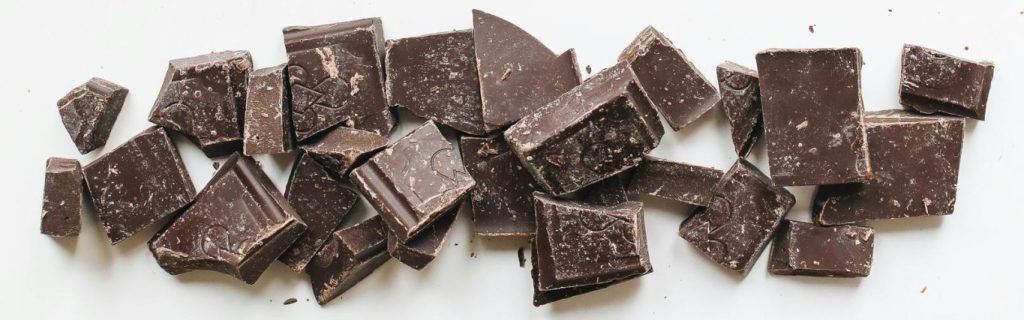
Some of the most beloved holiday ingredients can be extremely harmful to pets. Chocolate, for instance, contains theobromine—a compound dogs cannot safely metabolize. Dark and baking chocolates are especially dangerous. When a dog eats chocolate, theobromine stays in their body for a long time and slowly builds up to toxic levels. It overstimulates the dog’s nervous system and heart, which can cause restlessness, vomiting, diarrhea, a fast heart rate, tremors, seizures, and in severe cases, even death. Dogs are much more sensitive to theobromine than people, so even a small amount of chocolate can be dangerous for them.
Xylitol, a sugar substitute commonly used in sugar-free candies and baked goods, can cause a rapid drop in blood sugar and even life-threatening liver failure in dogs.
Grapes and raisins are dangerous for dogs because they can cause sudden kidney failure, even in very small amounts. Scientists still don’t know exactly which substance in grapes or raisins is toxic, but in some dogs it quickly damages the kidneys so they can no longer filter waste from the blood. After eating grapes or raisins, a dog may start vomiting, feel weak or tired, lose appetite, and drink or urinate less than normal. Because there is no safe amount and some dogs are more sensitive than others, grapes and raisins should never be given to dogs at all.
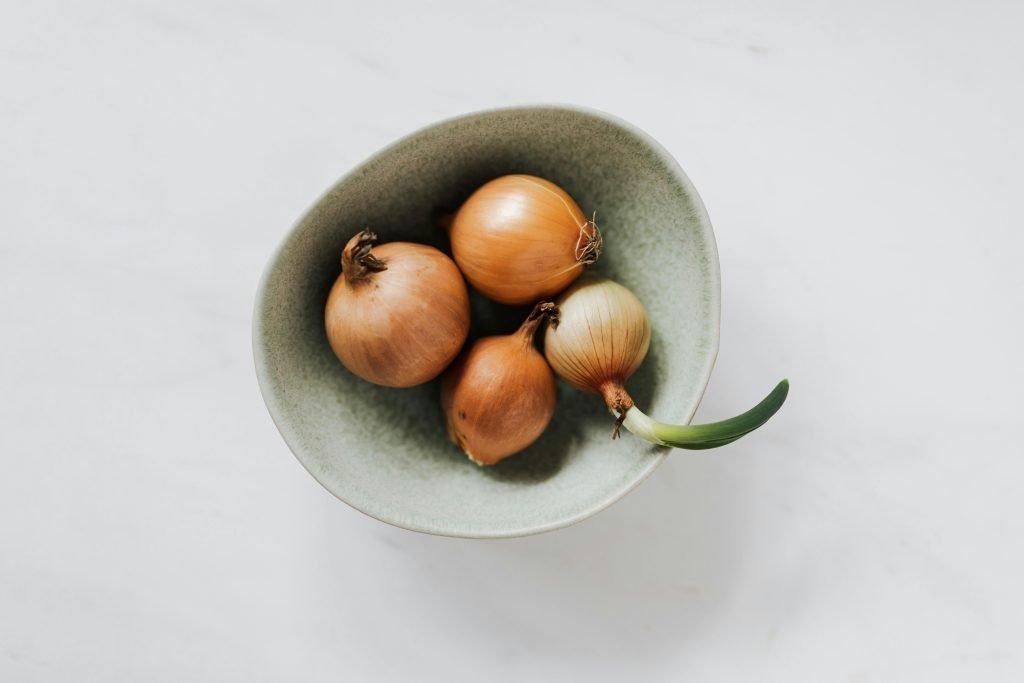
Onions, garlic, and leeks are toxic to dogs in any form, including raw, cooked, dried, or powdered. These foods contain substances that damage a dog’s red blood cells. When red blood cells are destroyed, the body cannot carry enough oxygen, which can lead to anemia. Dogs affected by this may become weak, unusually tired, lose their appetite, have pale gums, or breathe faster than normal. The symptoms may appear gradually over several days, making the problem harder to notice at first. Even small amounts, especially if eaten more than once, can cause serious health issues, so onions, garlic, and leeks should not be given to dogs at all.
Even small amounts of alcohol can cause vomiting, loss of coordination, breathing difficulties, or coma in dogs.
| Food | Why it’s dangerous |
|---|---|
| Chocolate | Theobromine builds up to toxic levels; can cause tremors, seizures, death |
| Xylitol | Rapid blood sugar drop, possible liver failure |
| Grapes & raisins | Sudden kidney failure, even in small amounts |
| Onions, garlic, leeks | Damage red blood cells, leading to anemia |
| Alcohol | Vomiting, loss of coordination, breathing difficulty, coma |
| High-fat foods (ham, turkey skin, gravy) | Not toxic, but can trigger pancreatitis |
High-Fat Holiday Foods and Pancreatitis
While not technically toxic, high-fat holiday foods pose a different kind of threat. Items like ham, turkey skin, rich gravies, and buttery side dishes can trigger pancreatitis—a painful and potentially serious inflammation of the pancreas. Dogs may be especially vulnerable if they eat a large amount of fatty food in a short period.
Signs Your Dog May Have Eaten Something Dangerous
Watch for these warning signs that your dog may have eaten something harmful:
- Vomiting or diarrhea
- Abdominal pain or bloating
- Lethargy or weakness
- Tremors or seizures
- Loss of appetite
What to Do If Your Dog Eats a Holiday Food
Time is critical. If you think your dog has eaten something toxic, don’t wait to see if symptoms develop. Contact your veterinarian or an emergency animal clinic right away. Do not attempt to induce vomiting unless a veterinary professional instructs you to do so.
If you think your dog has eaten something toxic, don’t wait to see if symptoms develop. Contact your veterinarian or an emergency animal clinic right away, and do not induce vomiting unless a veterinary professional instructs you to.
Preventing Holiday Food Accidents
Prevention is the best protection. Keep all food and leftovers out of your dog’s reach, and dispose of scraps in secure trash bins. Let your holiday guests know which foods are unsafe for pets, and encourage them not to sneak your dog any table scraps. Instead, offer dog-safe holiday treats (like a pumpkin-and-gingerbread biscuit variety made specifically for dogs) to include your pet in the celebration safely.

Further Reading
ASPCA Animal Poison Control list of people foods to avoid is a helpful reference for checking unsafe ingredients.
How to Keep Pets Calm During Christmas & Fireworks covers signs of holiday anxiety, noise sensitivity, and calming routines to round out a safer, calmer holiday season.
This article is for educational purposes only and is not a substitute for professional veterinary care. Always consult a licensed veterinarian regarding your pet’s health and nutritional needs. As an Amazon Associate, Vet Explains earns from qualifying purchases.
Was the article helpful?