

Table of Contents
With growing interest in holistic and chemical-free lifestyles, many pet owners are looking for natural flea treatments as a gentler way to protect their dogs and cats. This concern is understandable. No one wants to expose their pet to unnecessary risk, and many owners worry about the potential side effects of traditional flea medications.
When it comes to parasite control, it is essential to distinguish between good intentions and proven results. Not all products labeled as natural are safe, and very few are consistently effective at controlling fleas.
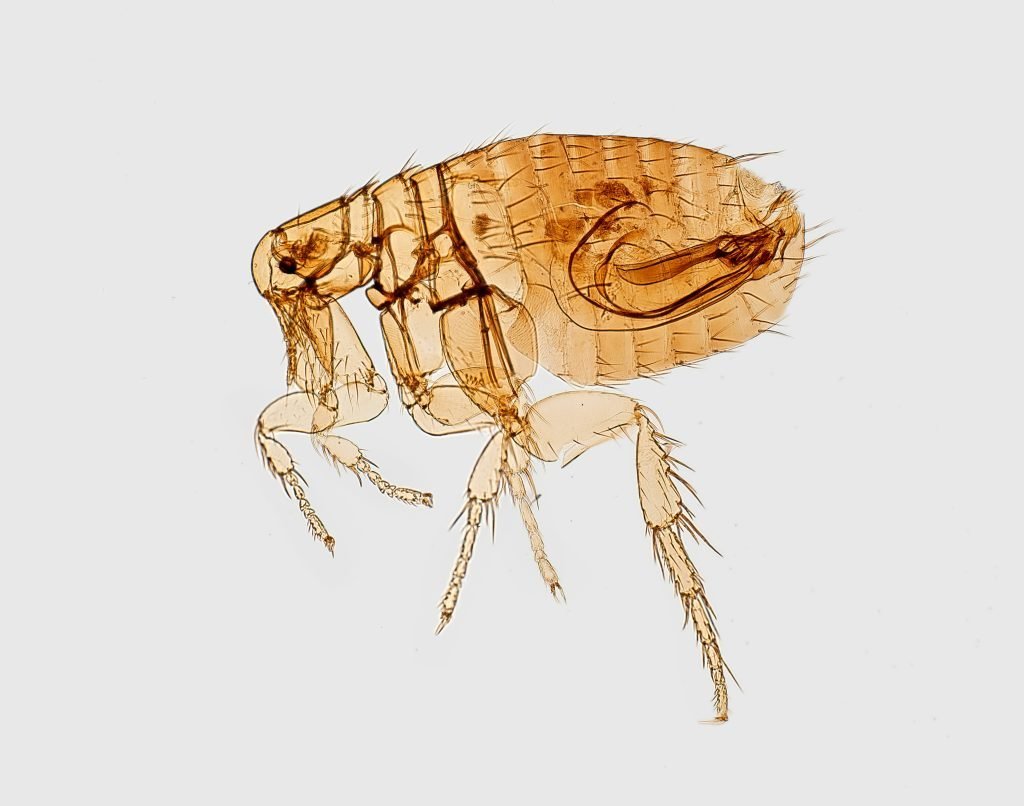
Why Natural Does Not Always Mean Safe
A natural label can create a false sense of security. Many natural ingredients are highly concentrated and biologically active. Essential oils are a common example. Tea tree oil, eucalyptus, pennyroyal, and citrus oils are frequently included in homemade or store-bought flea products, yet they can be dangerous for pets.
Dogs and cats exposed to these substances may develop vomiting, tremors, skin irritation, chemical burns, liver injury, or severe neurologic signs. Cats are especially vulnerable because they cannot safely metabolize many plant oils. Garlic, sometimes promoted online as a flea repellent, can cause anemia in dogs and is toxic to cats.
Natural products can also cause allergic reactions, breathing irritation from sprays or powders, and stomach upset if pets lick treated areas. Natural does not mean harmless.

Commonly Used Natural Flea Remedies
Diatomaceous earth is a fine powder made from fossilized algae. In dry environments, it can damage the outer layer of fleas and lead to dehydration. While it may reduce flea numbers in certain settings, it is messy and can irritate the lungs if inhaled by pets or people.
Essential oils are often promoted for flea control, but even diluted oils can be risky. Some may repel insects temporarily, but improper use can lead to toxicity. Cats should never be treated directly with essential oils, even products marketed as pet-safe.
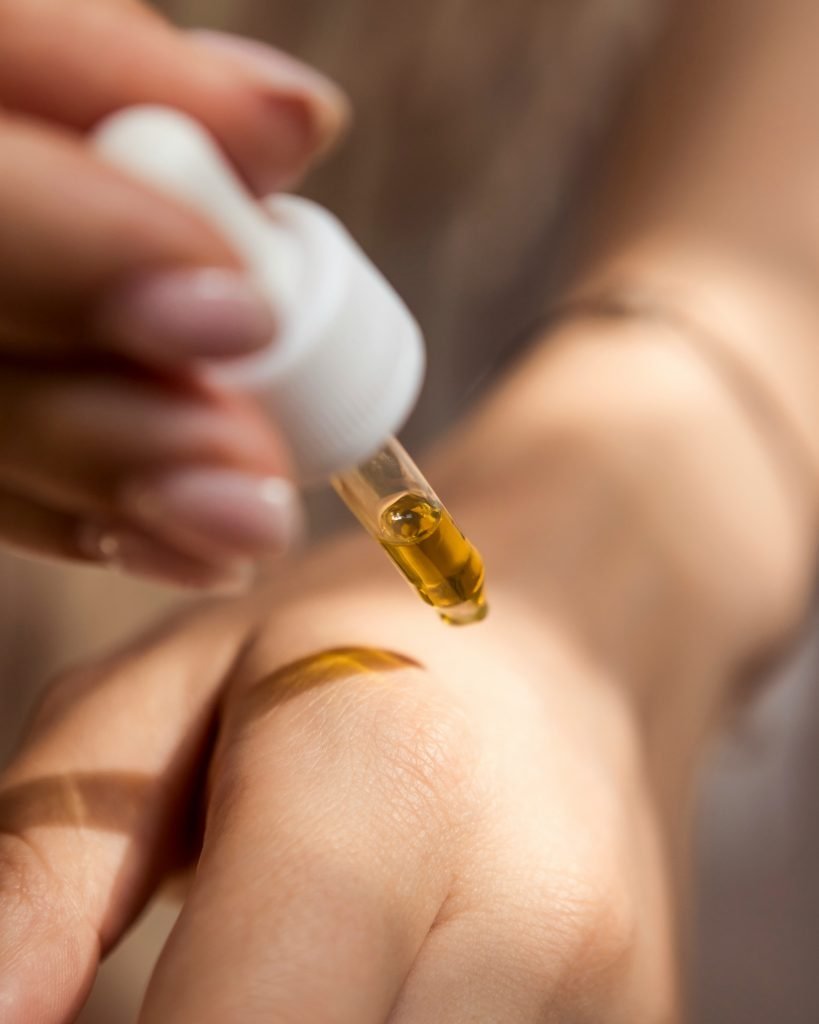
Herbal sprays commonly contain ingredients such as lemongrass, peppermint, or rosemary. These products may offer short-term repellent effects, but they rarely provide reliable or long-lasting flea control.
Apple cider vinegar is frequently suggested as a spray or dietary additive. There is no strong evidence that it kills or repels fleas. Overuse can irritate the skin or upset the stomach.
| Remedy | What it actually does |
|---|---|
| Diatomaceous earth | May reduce flea numbers in dry settings, but messy and can irritate lungs if inhaled |
| Essential oils | May repel insects temporarily, but improper use can cause toxicity — never use on cats, even “pet-safe” products |
| Herbal sprays (lemongrass, peppermint, rosemary) | Short-term repellent effect at best, rarely reliable or long-lasting |
| Apple cider vinegar | No strong evidence it kills or repels fleas; overuse can irritate skin or upset the stomach |
What the Science Actually Shows
Scientific research on natural flea treatments is limited. Most products have not undergone the rigorous testing required for veterinary-approved medications. Some natural approaches may slightly reduce adult flea numbers when combined with thorough environmental cleaning, but few prevent reinfestation.
Another key limitation is that most natural remedies only affect adult fleas. Eggs and larvae remain in the environment and continue the life cycle. This is why infestations often persist despite repeated natural treatments. Veterinary-approved products are designed to interrupt multiple stages of the flea life cycle, which is essential for long-term control.
Risks Associated With Natural Flea Products
Despite being plant-based, natural flea remedies can cause real harm, including:
- Skin irritation and rashes from topical applications
- Coughing or breathing difficulty from powders and sprays
- Toxicity if pets lick treated areas or ingest oils or herbal ingredients
Homemade remedies are especially risky because dosing is inconsistent. If you notice irritation, breathing changes, or other reactions after using a natural product, stop use and contact your veterinarian.
When Natural Approaches Can Be Helpful
Natural methods can still play a supportive role, particularly for prevention and environmental control. Regular vacuuming helps remove flea eggs and larvae from carpets and furniture. Washing pet bedding, blankets, and toys in hot water disrupts the flea life cycle. Routine grooming and bathing allow owners to detect fleas early and remove them manually.
These steps are safe, effective, and beneficial regardless of which flea prevention method you choose.

Safer Alternatives for Concerned Pet Owners
If you are worried about chemical exposure but want dependable flea protection, a conversation with your veterinarian is the best next step. Many modern flea preventatives are carefully tested for safety and are well tolerated, even by sensitive pets.
Options include oral medications, topical treatments, collars, and long-acting injections. Some products are derived from natural sources or designed to minimize systemic exposure while still providing reliable control.
Further Reading
Can Indoor Cats Even Get Fleas? covers how fleas get into homes in the first place, which shapes how much natural prevention alone can realistically do.
Fleas vs. Ticks: What Every Pet Owner Should Know helps you tell the two parasites apart, since treatment and prevention approaches differ.
This article is for educational purposes only and is not a substitute for professional veterinary care. Always consult a licensed veterinarian regarding your pet’s health and nutritional needs. As an Amazon Associate, Vet Explains earns from qualifying purchases.
Was the article helpful?