
Table of Contents
Puppy vaccination is one of the most important parts of bringing home a young dog safely. Puppies have a short window when their immune system is still learning how to protect them, and vaccines guide that process by teaching the body to recognize serious infections before exposure happens.
Table of Contents
Puppies are born with temporary antibodies from their mother, yet those antibodies fade at unpredictable rates. This creates a vulnerable period when infection risk rises but natural protection is incomplete. A well-timed puppy vaccination schedule closes that gap without overwhelming the developing immune system.
Vaccination is not only about preventing illness in one dog. It also reduces the amount of infectious disease circulating in communities, which protects puppies who are too young or medically unable to be vaccinated. That shared protection becomes most effective when vaccines are given consistently through adulthood.
Quick answer: Most puppies start core vaccines (distemper, parvovirus, adenovirus) between six and eight weeks old, with boosters every three to four weeks until at least sixteen weeks — because the antibodies they get from their mother fade unpredictably and can block early shots from working. Rabies usually comes once in the first year. Mild tiredness or a sore spot for a day or two is normal; facial swelling, vomiting, or trouble breathing after a shot is not, and needs a same-day vet visit.
Core Vaccines Every Puppy Receives
| Vaccine | Pathogens Covered | Typical Schedule |
|---|---|---|
| DA2P / DHP / DAPP | Distemper, Adenovirus-2 (Hepatitis), Parvovirus (± Parainfluenza) | Starting at 6–8 weeks, repeated every 3–4 weeks until ≥16 weeks old; booster at 1 year, then every 3 years. |
| Rabies | Rabies virus (fatal zoonosis) | Given once at ≥12–16 weeks (varies by law); booster at 1 year, then every 1 or 3 years depending on product/local law. |
The core vaccine group protects against diseases that are widespread, severe, and often fatal.
Canine distemper is a virus that attacks the respiratory, digestive, and nervous systems, causing coughing, vomiting, seizures, and long-term neurologic damage in survivors. Parvovirus targets the intestinal lining and bone marrow, leading to bloody diarrhea, dehydration, and rapid collapse, especially in young puppies.
Adenovirus type 1 causes infectious hepatitis, which affects the liver and can result in abdominal pain, jaundice, and bleeding disorders. Vaccination also protects against adenovirus type 2, a contributor to kennel cough and respiratory illness. These viruses spread easily through bodily fluids and contaminated environments, making early protection essential.
Rabies vaccination is legally required for dogs in the United States. The virus attacks the nervous system, leading to behavior changes, paralysis, and death. Once symptoms appear, the disease can be transmitted to people. Puppies usually receive this vaccine later in the first year when their immune response is more mature.
How Puppy Vaccination Is Timed From Birth to Adulthood
Most puppies begin their vaccine series between six and eight weeks of age. Core vaccines are repeated every three to four weeks until at least sixteen weeks, sometimes longer in high-risk environments. This repeated dosing increases the chance that immunity develops as maternal antibodies decline.
Rabies is typically given once during the first year, followed by boosters according to local regulations. Non-core vaccines may be introduced during the puppy series or delayed until adolescence, depending on risk. After the first year, most dogs transition to adult booster schedules that are less frequent.
Clinically, the final puppy booster is one of the most important appointments of the year. It confirms that the immune system has responded once maternal antibodies are gone. Skipping that visit is a common reason protection remains incomplete.
| Dog’s Age | Vaccine |
|---|---|
| 12–16 weeks | Initial rabies vaccine |
| 12 months later | First booster |
| Every 3 years (or annually, depending on local law) | Subsequent boosters |
Why Puppies Need Multiple Vaccines Over Time
Unlike adult dogs, puppies cannot rely on a single injection for long-lasting protection. Maternal antibodies can block early vaccines, while waiting too long leaves the puppy exposed to dangerous viruses. Repeating vaccines at set intervals increases the chance that immunity develops as soon as maternal protection fades.
This staged approach explains why puppies receive several visits rather than one appointment. Each dose builds on the last, strengthening immune memory. By the end of the series, most dogs can respond quickly and effectively if exposed to disease later in life.
From a clinician perspective, missed or delayed boosters matter more in puppies than in adults. Gaps during early development are a common reason young dogs still become ill despite eventually being vaccinated. Keeping the sequence on track is more important than the exact calendar date.

Non-Core Vaccines That May Be Recommended
Non-core vaccines are chosen based on lifestyle, geography, and exposure risk rather than given to every dog. Bordetella bronchiseptica is one of the main causes of kennel cough, leading to a harsh, persistent cough and nasal discharge. It spreads rapidly in group settings such as training classes or boarding facilities.
Leptospirosis is a bacterial infection spread through wildlife urine and contaminated water or soil. It can cause fever, vomiting, kidney failure, and liver damage, and it can infect people as well. Puppies with outdoor exposure or access to standing water are often candidates for this vaccine.
Other non-core vaccines include those for Lyme disease, canine influenza, and rattlesnake envenomation in specific regions. Each protects against a distinct risk, and none are automatically required for every puppy. Decisions are best made by weighing exposure likelihood against the seriousness of the disease.
Protecting Naive Puppies Between Vaccine Visits
Until a puppy completes their core vaccine series, they remain vulnerable to environmental exposure. Viruses like parvovirus can survive for months on surfaces such as sidewalks, grass, and floors where unknown dogs have been. Avoiding high-traffic dog areas reduces risk during this critical period.
Naive puppies should not visit dog parks, pet stores, grooming salons, or communal relief areas. Limiting contact with unfamiliar dogs and preventing visits from unvaccinated animals in the home also matters. Controlled socialization with healthy, vaccinated dogs in known environments is safer.
From a practical standpoint, carrying puppies in public spaces or using clean private yards offers protection without sacrificing bonding. This temporary caution supports the immune system while vaccines do their work. Most restrictions ease once the final puppy boosters are complete.

What Side Effects Are Normal After Vaccination
Mild reactions are common and usually short-lived. Puppies may be sleepy, have a reduced appetite, or develop mild soreness at the injection site for a day or two. These signs reflect the immune system responding appropriately.
Occasionally, puppies develop low-grade fever or transient swelling. These effects typically resolve without treatment. Monitoring at home is usually sufficient when the puppy remains bright, hydrated, and responsive.
Call your vet right away if you see:
• Facial swelling or hives
• Vomiting
• Collapse
• Difficulty breathing
These severe reactions are uncommon, but early recognition allows for rapid treatment and good outcomes.
When to Go to the Vet With a Puppy
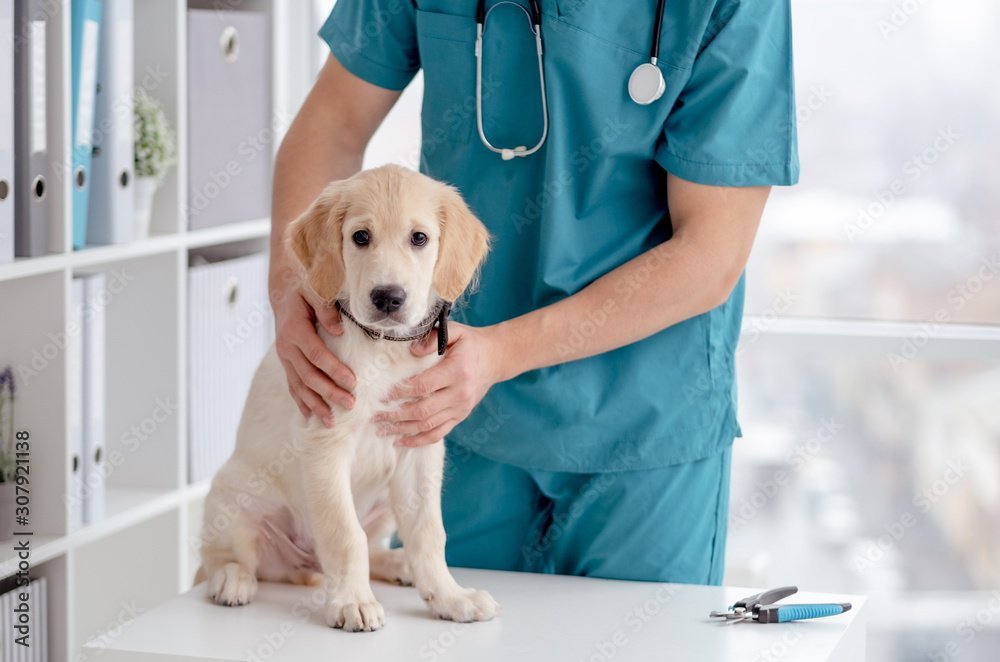
See a vet if your puppy has any of the following, especially if it lasts more than a day:
- Vomiting, diarrhea, lethargy, or loss of appetite
- Bloody diarrhea, profound weakness, or refusal to drink — dehydration sets in fast in young puppies
- A puppy who seems mildly off in the morning and much worse by evening (rapid change points to infection or dehydration, not a minor upset)
- Coughing, nasal discharge, fever, or unexplained pain
Vaccination Through Adolescence and Adulthood
After the first year, dogs enter a maintenance phase of vaccination. Core vaccines are boosted at longer intervals because immune memory is more stable. This approach balances protection with minimizing unnecessary stimulation.
Non-core vaccines may continue annually if exposure risk remains. Lifestyle changes such as travel, boarding, or outdoor activity can shift recommendations over time. Periodic reassessment ensures vaccines stay aligned with real world risk.
Adult vaccination supports not only individual health but community disease control. Consistency over the lifespan reduces the chance of outbreaks that threaten young puppies. Prevention remains far easier than treatment.

Common Misunderstandings About Puppy Vaccines
Some owners worry that vaccines overload the immune system. In reality, puppies encounter far more immune challenges daily from their environment than from vaccines. Modern formulations are designed to be effective while remaining gentle.
Another misconception is that indoor puppies are safe without full vaccination. Many viruses are carried on shoes, clothing, and hands. Even limited exposure can be enough for infection in an unprotected puppy.
Delaying vaccines in hopes of reducing side effects often increases disease risk. Careful timing and monitoring provide protection while keeping puppies safe. Open discussion helps tailor plans responsibly.
How Owners Can Prepare for Puppy Vaccine Visits
Bringing vaccination records, noting any previous reactions, and sharing recent health changes supports safe care. Feeding a light meal before visits can help prevent nausea. Calm handling reduces stress and supports smoother appointments.
After the visit, observe your puppy for changes in appetite, energy, and comfort. Normal play and rest can continue unless otherwise advised. Keeping routines steady helps puppies recover quickly.
Consistency builds confidence for both puppy and owner. Each visit reinforces preventive care as a positive experience. Over time, this foundation supports lifelong health.
Further Reading
Common Puppy Illnesses Every Owner Should Recognize Early walks through the everyday symptoms — digestive upset, respiratory signs, skin and parasite red flags — that this vaccination schedule is partly designed to prevent, and explains when those signs cross the line into needing a vet visit.
For a veterinary vaccine reference, see the AVMA overview of pet vaccinations.
Puppy Food for Healthy Growth: Top 5 Picks covers the other half of getting a puppy through their first year safely — feeding a complete diet at the right portions to support steady, joint-safe growth alongside a full vaccine series.
Was the article helpful?