

Table of Contents
I suspect that you landed on this page because either your veterinarian told you that your dog has elevated ALT in dogs on a blood test, or you are wondering what the red value means on the lab report. Whichever it was, welcome here, and I will provide you with a concise answer to that question. I know that dog bloodwork can be quite confusing, especially when one value increases without explanation. Now, let’s discuss ALT.
Quick answer: elevated ALT in dogs means liver cells have leaked this enzyme into the blood, usually pointing to some kind of liver cell disruption. It does not by itself tell you how severe the problem is or whether the liver is still functioning well. Mild, isolated elevations are often temporary; your vet will look at the pattern and trend, not just one number. For broader context on liver problems, VCA Hospitals has a helpful overview of liver disease in dogs.
When elevated ALT in dogs persists or rises over time, the next step is usually to look for a pattern across the full chemistry panel, exam findings, medications, diet history, and sometimes imaging or additional liver testing.
For most owners, elevated ALT in dogs is best understood as a clue, not a diagnosis. Elevated ALT in dogs becomes more meaningful when your veterinarian compares it with other liver enzymes, bilirubin, bile acids, symptoms, medication history, and repeat testing.
What Is Elevated ALT in Dogs?
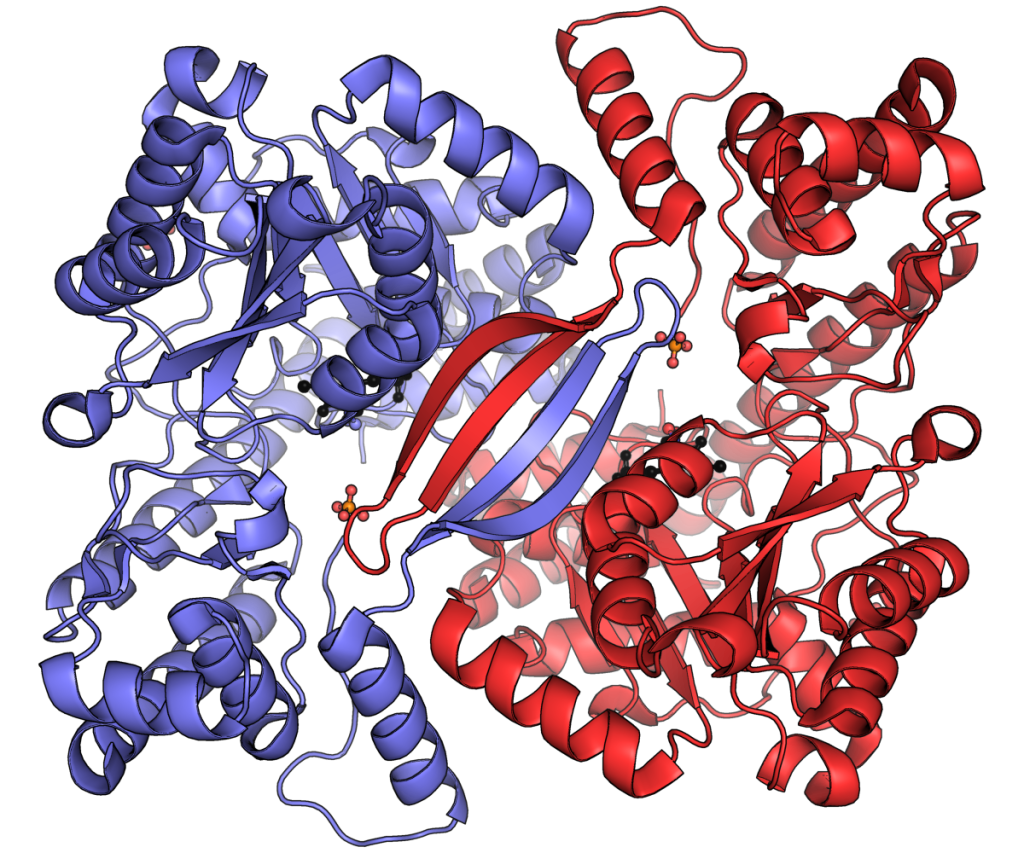
ALT stands for alanine aminotransferase; it is an enzyme found mainly in liver cells. You can imagine the liver as a giant factory inside your dog’s body, producing various goods out of the food your dog eats. The function of ALT is to help the body process amino acids—the building blocks of proteins that in turn become building blocks of cells. ALT is housed inside liver cells for this purpose, so under normal conditions, we see only low levels of ALT in the blood.
ALT is a very sensitive marker for liver cell stress (also called hepatocellular stress), but that also means ALT can increase for many different reasons.

What Does A High ALT Actually Mean?
An increased ALT level suggests that liver cells have been disrupted at some point. It does not specify how severe the issue is or whether the damage is ongoing. Mild elevations may reflect temporary changes rather than a permanent liver injury. Let’s not forget that the liver is a highly regenerative organ and can largely repair itself once the insult to the liver stops.
ALT does not measure how well the liver is performing its jobs; for that, we have a group of liver functional tests, such as albumin, cholesterol, and bile acids. ALT measures the damage to liver cells. A dog can have a high ALT and still have normal liver function overall (as the liver’s functional capacity is actually higher than needed for smooth body function—how convenient!). This distinction helps explain why some dogs with elevated values feel completely normal.

Why does ALT rise, and what are the symptoms
ALT can rise for a number of reasons, including:
- Inflammation or infection
- Toxin exposure
- Reduced blood flow affecting the liver
- Certain medications or supplements
- A recent illness elsewhere in the body
- Age-related changes or underlying metabolic conditions
- Incidental findings during routine wellness testing
As I already mentioned above, the liver has a large functional reserve, meaning it can tolerate stress without showing clear outward signs. Early or mild liver cell injury may not affect appetite, energy, or digestion. When symptoms do occur, they are often nonspecific, such as lethargy or reduced appetite. These signs overlap with many other conditions and are not unique to liver concerns. This reinforces why bloodwork interpretation relies on trends and supporting tests.
What can tell me more?

While ALT is a useful marker of damage to the liver cells, it tells us little about what the damage is. The only way to correctly assess all of these is in conjunction with other hepatic markers, including AST, ALP, GGT, albumin, cholesterol, and bile acids. Additionally, blood chemistry is rarely evaluated just for liver enzymes; markers of various other organs are present, and interpretation can be more holistic. Let’s not forget that other panels, like hematology, could help us exclude some diseases. The degree of elevation, whether values are rising or falling, and how the dog feels all influence interpretation. A single result rarely provides a complete answer.
In clinical discussions, mild elevations are often monitored, while more significant changes prompt further investigation. In general practice, it is common to see ALT normalize once an underlying stressor resolves. Patterns over time guide next steps more reliably than isolated numbers.
Further Reading
Diet changes are often suggested when liver enzymes are elevated, but the goal is not always “low protein.” This piece walks through what diet can realistically influence, when appetite matters more than numbers, and how to avoid well-meaning changes that quietly worsen weight loss. Read Diets for Elevated Liver Enzymes.
Owners often feel pressure to add supplements as soon as liver values are abnormal. This article explains when supplements can be reasonable, when they can confuse monitoring, and which lab patterns suggest you should focus on diagnosis and calories first. It keeps the emphasis on practical decision-making. Read Supplements and High Liver Enzymes.
If you want a clear map of common liver-related blood tests, start here. It explains what ALT, ALP, AST, and GGT tend to indicate, what overlaps between them are, and why one number rarely gives a full answer. It also frames which changes push the plan toward imaging or repeat labs. Read Dog Liver Bloodwork Meanings.
ALP is one of the most confusing results for owners because it can rise from the liver, bones, and certain hormones. This article explains common benign patterns, including age-related increases, and shows what makes an ALP increase more concerning. One calm takeaway is how to pair ALP with other values to judge urgency. Read Elevated ALP in Dogs.
AST is often called a liver enzyme, but it is not liver-specific. This article helps you understand when AST points more toward muscle involvement, what other lab clues tighten that interpretation, and why sample handling can sometimes matter. It also explains what a truly rising AST trend usually changes next. Read High AST in Dogs.
If you want the big picture of liver testing, this document is the overview that ties everything together. It explains what bloodwork can tell you, what it cannot, and why bile acids, bilirubin, and albumin sometimes matter more than mild enzyme elevations. It also helps you understand why repeat testing is often part of effective medicine. Read Dog Liver Tests Explained.
GGT tends to be most useful when interpreted alongside ALP and bilirubin. This article explains what a high GGT commonly suggests, what patterns fit gallbladder or bile flow issues, and when the next step is usually imaging rather than more blood tests. A small detail in this section can change how you read the result. Read High GGT in Dogs.
Bilirubin is one of the results that can make owners worry quickly, especially if the eyes or gums look yellow. This article explains what bilirubin is, why it rises from different pathways, and how your dog’s energy, appetite, and urine color help frame the meaning. It also clarifies when waiting is not the right move. Read High Bilirubin in Dogs.
Bile acids are often used to assess liver function and blood flow through the liver, not just liver irritation. This article explains how the test works in plain language, why fasting and timing matter, and what results can suggest about shunts or reduced liver processing. It also explains what commonly follows an abnormal test. Read High Bile Acids in Dogs.
Albumin is a protein made by the liver, but low albumin is not always a primary liver problem. This article explains the most common non-liver reasons albumin drops, how swelling or fluid changes the concern level, and which paired lab results help separate loss from reduced production. It also explains why trends matter more than a single value. Read Low Albumin in Dogs.
Was the article helpful?