
Table of Contents
Finding urine outside the box is frustrating and worrying for many cat owners. Cat peeing outside the litter box is one of the most common behavior concerns discussed in veterinary settings, and it usually reflects a signal rather than defiance. The key is understanding what your cat may be trying to communicate.
This behavior often falls into two broad categories: medical discomfort or environmental stress. Cats are clean animals by nature, so a change like this suggests something has shifted in how your cat feels physically or emotionally. Looking at the full picture helps guide the next calm and effective step.
A very common pattern is a cat that begins urinating on soft surfaces like beds or rugs, which often points to discomfort during urination rather than a training issue. When accidents increase in frequency, include vocalizing, or happen close to people, urgency rises. Monitoring appetite, energy, and urine size helps determine whether prompt evaluation is needed.
Quick Answer
Cats most often urinate outside the litter box because of a medical problem (UTI, bladder crystals, kidney disease) or an environmental trigger (dirty box, wrong location, stress from a new pet or home change). A vet check is the right first step — urinary obstruction in male cats is a life-threatening emergency requiring same-day care.
Cat Peeing Outside the Litter Box: Could It Be Medical?
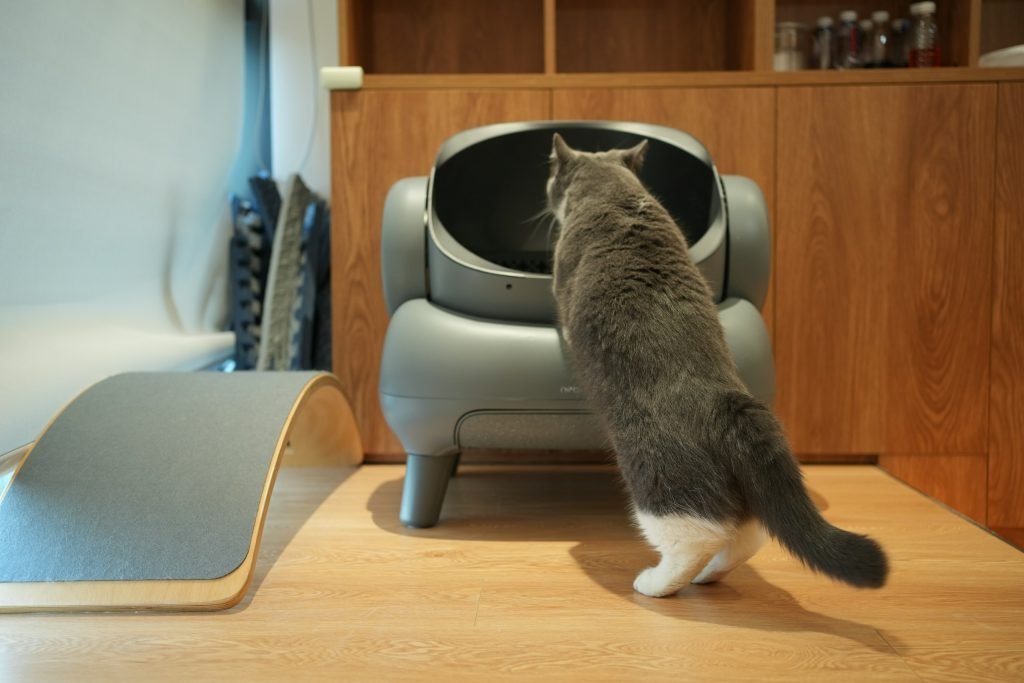
Medical causes are a frequent reason cats avoid the litter box. Conditions affecting the bladder or urinary tract can make urination painful or urgent, leading a cat to associate the box with discomfort. As a result, your cat may choose a new spot that feels safer or easier to reach.
Owners often notice changes such as smaller urine amounts, more frequent attempts, or licking the genital area. These signs matter because they suggest irritation or inflammation inside the bladder. Addressing physical discomfort early often leads to faster improvement in litter box habits.
Can stress or routine changes play a role?
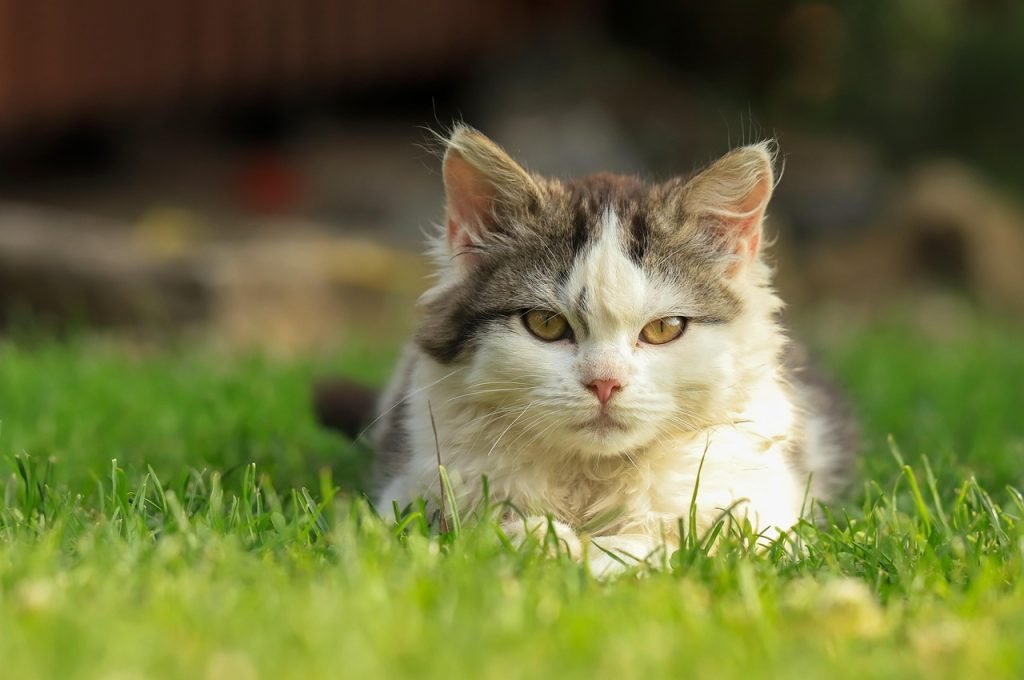
Stress is a powerful trigger for urinary behavior changes in cats. Events such as moving, new pets, schedule shifts, or even rearranged furniture can create emotional strain. Cats may express this stress through urination outside the box, especially in areas that carry familiar scents.
Unlike dogs, cats often show stress in subtle ways rather than obvious anxiety. A cat may still eat and play but feel unsettled enough to change bathroom habits. Supporting predictability and reducing conflict in the environment can make a meaningful difference.
Does the litter box setup matter?
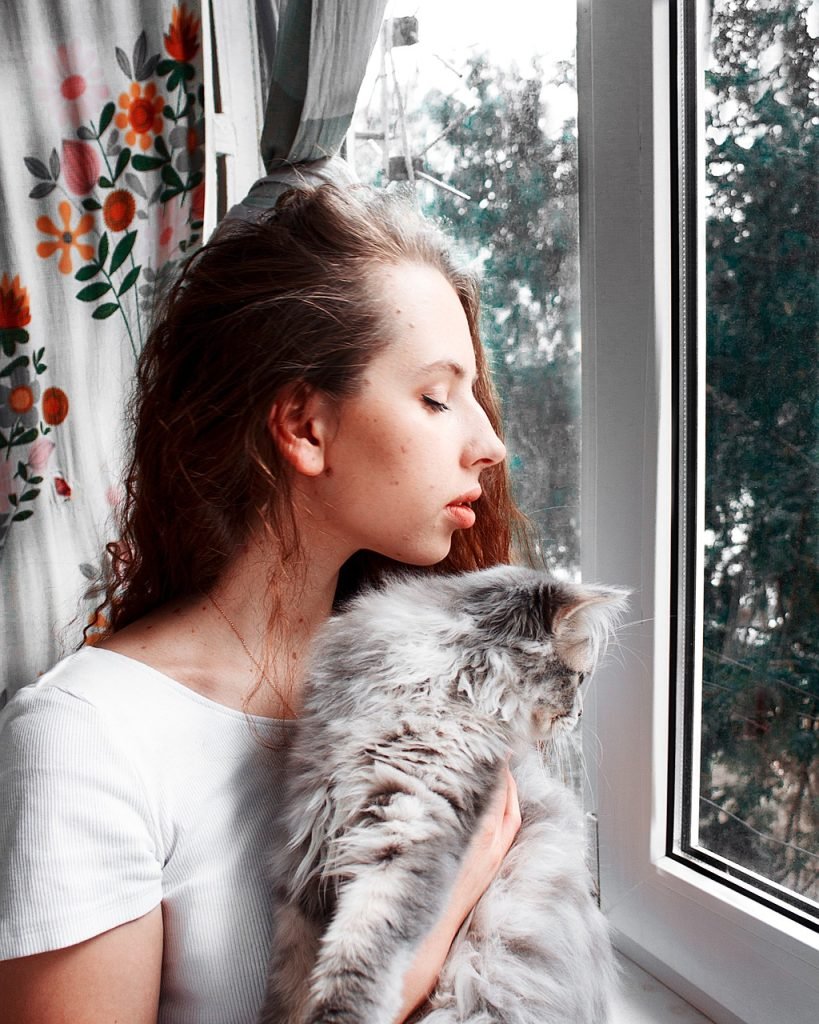
Litter box preferences are more specific than many owners realize. A few setup details are worth checking:
- Location of the box, away from noisy appliances or heavy foot traffic
- Cleanliness and how often it gets scooped
- Litter texture
- Ease of access, without stairs or tight corners in the way
- Enough privacy, without competition from other pets’ boxes
Small adjustments in setup sometimes resolve the issue without further intervention, especially around access, privacy, and competition with other pets.
When does this become urgent?
Go to an emergency vet immediately if your cat:
- Is straining but producing no urine — or only tiny drops
- Is crying out or showing obvious pain in the litter box
- Has not urinated in 12–24 hours
- Seems lethargic, is hiding, or has stopped eating alongside the behavior
Urinary obstruction — especially in male cats — is fatal without prompt treatment.
Cats that suddenly stop producing normal urine volumes or appear restless while repeatedly visiting the box should be considered higher priority. Energy level, hydration, and the presence of blood change how urgent the situation is. Early assessment helps prevent complications and supports faster relief.
What usually happens during a veterinary visit?
Evaluation typically focuses on identifying pain, infection, inflammation, or urinary crystals (from the Greek krystallos, “ice,” for the mineral deposits that form in urine) within the urinary system. A urine sample provides valuable information about concentration and irritation. This step helps distinguish between medical causes and behavior-driven concerns.
Clear answers allow owners to focus on the right solution rather than guessing. When physical causes are ruled out or treated, attention can shift confidently toward environmental and stress-related adjustments. This clarity often brings reassurance.
What common mistakes slow improvement?
Punishment is a frequent but unhelpful response to accidents. Cats do not associate punishment with past behavior and may instead feel more anxiety. This often worsens avoidance and delays resolution.
Another common issue is focusing only on cleaning without addressing the underlying cause. Odor removal matters, but comfort and predictability matter more. Long-term success comes from understanding why the behavior started.
How can owners track helpful details at home?
Noticing patterns can provide valuable insight. Even small details can shift how a concern is interpreted. It helps to track:
- Urine size or volume
- Timing of accidents
- Location of accidents
- Behavior changes around elimination, such as straining or vocalizing
Keeping mental notes or photos of unusual urine spots can help describe the issue clearly. This preparation often shortens the path to answers. Feeling informed helps owners stay calm and focused.
What does improvement usually look like?
Resolution is often gradual rather than instant. As discomfort eases or stress lowers, cats typically return to the box more consistently. Occasional setbacks can happen during adjustments.
Consistency and patience support long-term success. Most cats respond well once the true cause is addressed. Seeing steady progress reassures owners that they are on the right path.
Further Reading
If your cat also vomits shortly after meals, Cat Vomiting After Eating: What It Means explains the most common causes, how to tell whether the problem is food-related or a sign of deeper illness, and when vomiting warrants an urgent vet visit versus watchful waiting.
For a veterinary reference on house-soiling and urinary causes, see VCA Animal Hospitals on inappropriate elimination in cats.
If your cat is young and not yet fully vaccinated, Kitten Vaccine Schedule: Timing, Safety, Owner Questions walks through which vaccines kittens need and when — including answers to common concerns about reaction risk and timing for indoor-only cats.
If you are deciding which breed suits your household long-term, Top 5 Healthiest Cat Breeds: What Pet Owners Should Know offers a balanced look at which breeds tend to be more resilient, why genetics are only part of the picture, and what all owners can do to support long-term feline health regardless of breed.
Was the article helpful?