
Table of Contents
The best hairball remedies for cats usually start with reducing swallowed fur and watching for signs that vomiting is more than a simple hairball. Hairballs are one of those cat problems that feel normal until they suddenly don’t. Most cats gag up the occasional hairball, but frequent vomiting, coughing that sounds like hacking, or appetite changes can mean something else is going on.
The best hairball remedies work by reducing how much hair gets swallowed, helping hair move through the intestines, and making the stomach less likely to react.
What hairballs are and why they happen
Hairballs form because cats groom with a rough tongue that pulls loose fur into the mouth, then the fur gets swallowed. A small amount of hair can pass through the digestive tract and come out in the stool without anyone noticing. When hair piles up in the stomach, it can tangle into a damp, felt-like mass that triggers gagging and vomiting.
Some cats are more prone than others. Longhaired coats, heavy shedding seasons, dry skin, flea irritation, allergies, arthritis that changes grooming patterns, and stress overgrooming can all increase the amount of hair a cat swallows. In everyday veterinary conversations, it is common to find that “hairballs” are really a mix of hair plus mild stomach irritation.
How often is normal, and when are hairballs a red flag
An occasional hairball can be normal, especially in long-haired cats or during seasonal shedding. What matters is the pattern. If your cat is vomiting repeatedly, bringing up only foam or fluid, or gagging without producing a hairball, that is no longer just a nuisance behavior.
Another common confusion is coughing versus vomiting. Cats with asthma or airway irritation can have bouts that look like hairball hacking, but no hairball ever appears. Watch for:
These signs should raise concern for problems like intestinal inflammation, parasites, dehydration, or, in rare cases, an obstruction.
- Weight loss
- Reduced appetite
- Constipation
- Lethargy
- Belly pain
- A sudden change in stool
Grooming is the most effective hairball “medicine”
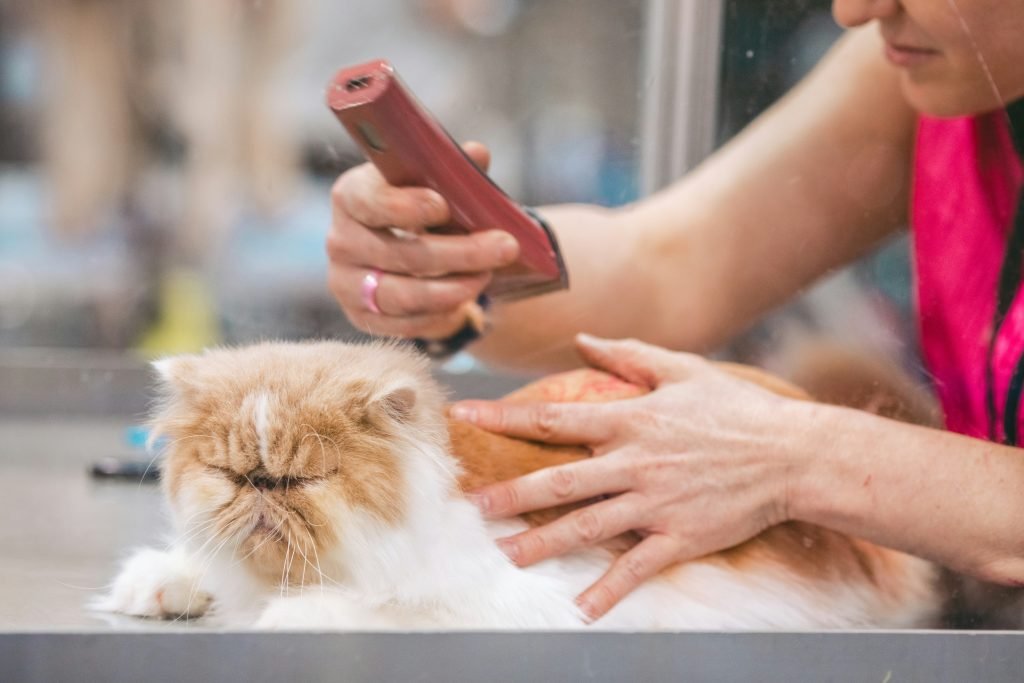
If you want the most reliable hairball remedy, reduce the hair your cat swallows in the first place. Regular brushing removes loose fur before the tongue can. Even short-haired cats often benefit from a few minutes of brushing several times a week, while long-haired cats usually do better with near-daily grooming during heavy shedding.
Grooming also helps you notice coat and skin issues that drive overgrooming, such as dandruff, fleas, scabs, or thin spots. If brushing is stressful, gentle sessions with treats afterward can help, and some cats prefer a grooming glove or soft rubber brush. The goal is less swallowed hair, not a perfectly styled coat.
Diet changes that help hair move through the gut
Many “hairball” diets work by adding specific types of fiber that help trap hair and move it along with stool. Fiber can support normal intestinal movement and can make it less likely that hair sits in the stomach long enough to clump. Some cats do well on a commercial hairball formula, while others do better on a high-quality diet that supports skin and coat, which indirectly reduces shedding.
If you are considering adding fiber at home, the safest approach is small amounts and slow changes, since sudden fiber increases can cause gas or loose stool. Plain canned pumpkin is commonly used because it is a gentle source of fiber, but it still should be introduced gradually. If your cat has diabetes, chronic diarrhea, or bowel disease, fiber changes should be discussed with a veterinarian because the “best” type and amount of fiber can differ.
Hydration and gut motility matter more than most people think
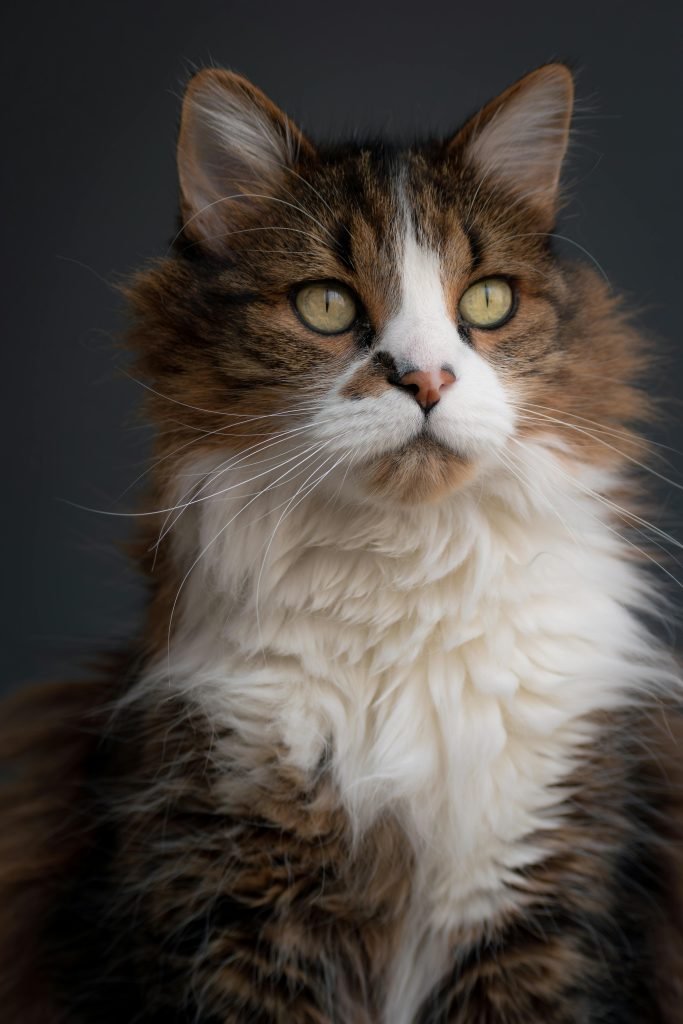
Hair does not move well through a dry digestive tract. Cats that eat only dry food, drink little, or have mild constipation are often the cats who struggle with frequent hairballs. Improving hydration can soften stool and support normal intestinal movement, which helps hair pass in feces instead of coming back up.
Many cats drink more from a fountain, a wide bowl, or by having multiple water stations away from the litter box. Adding wet food, mixing a little water into canned food, or offering broth made for pets can also help. If your cat strains in the litter box or produces small, hard stools, that constipation component can be a key part of the hairball picture.
Hairball gels, lubricants, and treats: what they do and what to watch for
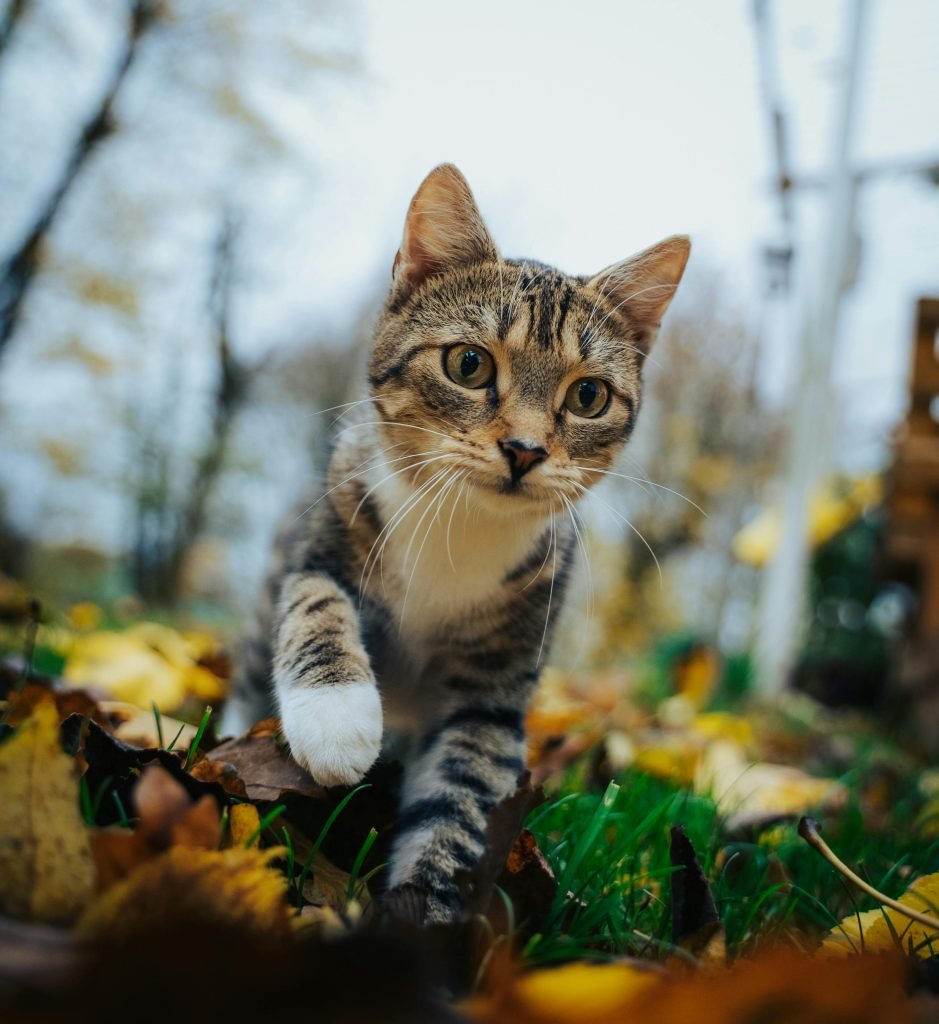
Over-the-counter hairball gels and pastes usually work as lubricants. They help swallowed hair slide through the stomach and intestines more easily, which can reduce vomiting in some cats. Some products also include mild laxative ingredients or added fiber, so the effect can vary by brand and by cat.
Because these products can add calories and can sometimes cause diarrhea, they should be used thoughtfully rather than as a daily cure for frequent vomiting. Cats with recurring hairball episodes often do best when gels are paired with grooming and hydration, instead of relying on a paste alone. If a cat is vomiting often, seems uncomfortable, or refuses food, that is a sign to stop assuming hairballs are the only issue and reassess the bigger picture.
When “hairballs” are really a medical problem
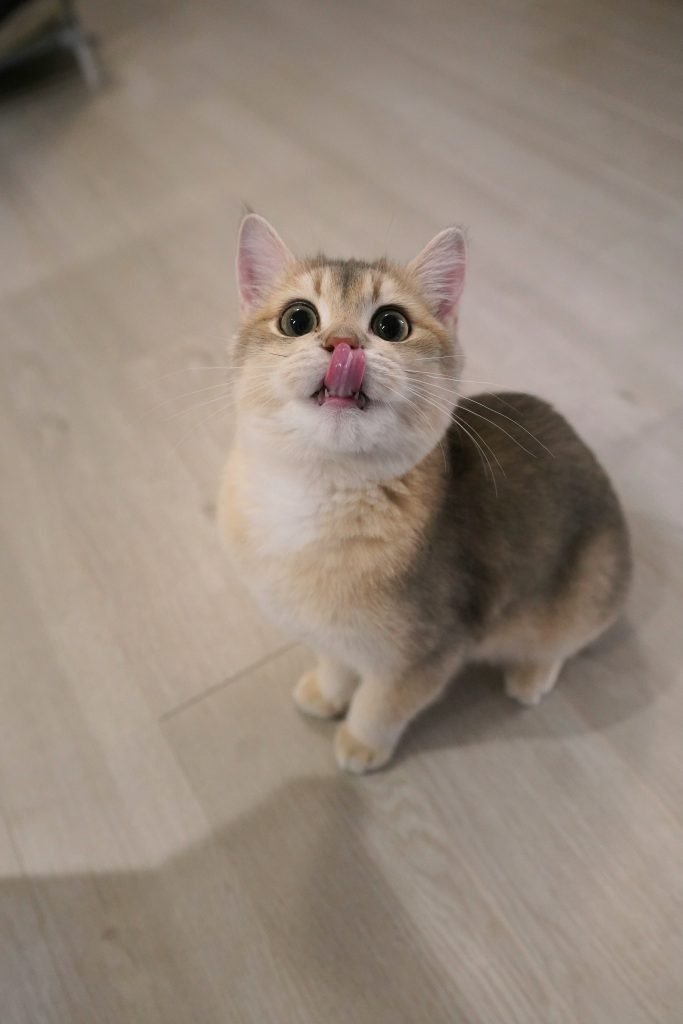
If a cat is retching repeatedly with little produced, vomiting more than occasionally, or acting unwell, there is a real risk of dehydration and a possibility of obstruction. Hair can contribute to constipation and, rarely, a blockage, but other causes of vomiting are much more common. Parasites, food sensitivity, inflammatory bowel disease, pancreatitis, kidney disease, and thyroid disease can all show up as vomiting that gets blamed on hairballs.
It is also worth remembering that coughing can be mistaken for hairball hacking. A cat that crouches low, extends its neck, and coughs without vomiting may have airway disease rather than stomach trouble. The right remedy depends on what is actually happening, which is why persistent “hairballs” deserve a closer look rather than stronger and stronger home treatments.
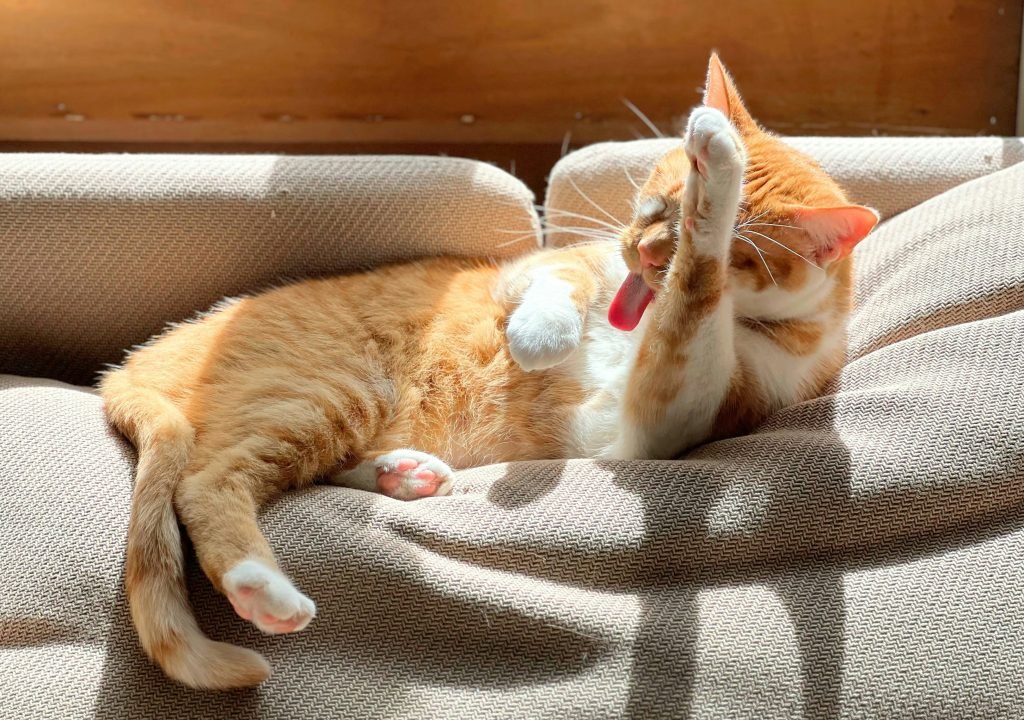
Cat Hairballs: What They Are, Why They Happen, and What Helps
A hairball forms when swallowed fur collects in a cat’s stomach or intestines. Occasional hairballs can happen, but frequent retching, vomiting, appetite changes, or constipation deserves veterinary attention. The most useful hairball remedy is usually prevention: regular grooming, a consistent diet, hydration, and identifying problems that make a cat swallow more fur or struggle to pass it.
Read Are Hairballs Normal? for expected frequency, and Cat Vomiting: When to Worry if vomiting becomes recurrent.
What is the safest way to prevent hairballs in cats?
Regular grooming to reduce swallowed fur is the safest starting point. The right plan also depends on coat type, diet, hydration, stool habits, and whether frequent hairballs may actually be vomiting from another cause.
Further Reading
Are Hairballs Normal? explains what typical grooming-related hairballs look like over time and when changes in frequency or pattern may signal something more.
This article is for educational purposes only and is not a substitute for professional veterinary care. Always consult a licensed veterinarian regarding your pet’s health and nutritional needs. As an Amazon Associate, Vet Explains earns from qualifying purchases.
Was the article helpful?
My short haired 2 yrr old is a constant groomer.
He’s gorgeous but keeps grooming.
No hair loss, he likes to be clean.
I do brush often, he hates it but his brother loves it.
Despite brushing he still leaves a gift here and there.
No wrenching, silent but deadly lol
I’m at a loss at this point.
He eats wet and dry for hairball.
Plenty of fresh water access