
Table of Contents
Normal hairballs in cats are usually occasional, especially in cats with longer coats or those that shed heavily during seasonal coat changes. Older cats may also pass hairballs more often as digestion and gut movement naturally slow with age. In these situations, swallowed fur can occasionally collect before being vomited up.
For many cats, producing a hairball once every few weeks or less is usually not a cause for concern. If the cat is otherwise acting normal, eating well, maintaining weight, and showing no signs of discomfort, an infrequent hairball is generally considered acceptable.
Normal hairballs in cats should not mean frequent vomiting, repeated gagging or retching without producing a hairball, or vomiting that happens multiple times per week. These patterns suggest that normal grooming or digestive function is being disrupted and should be taken seriously.
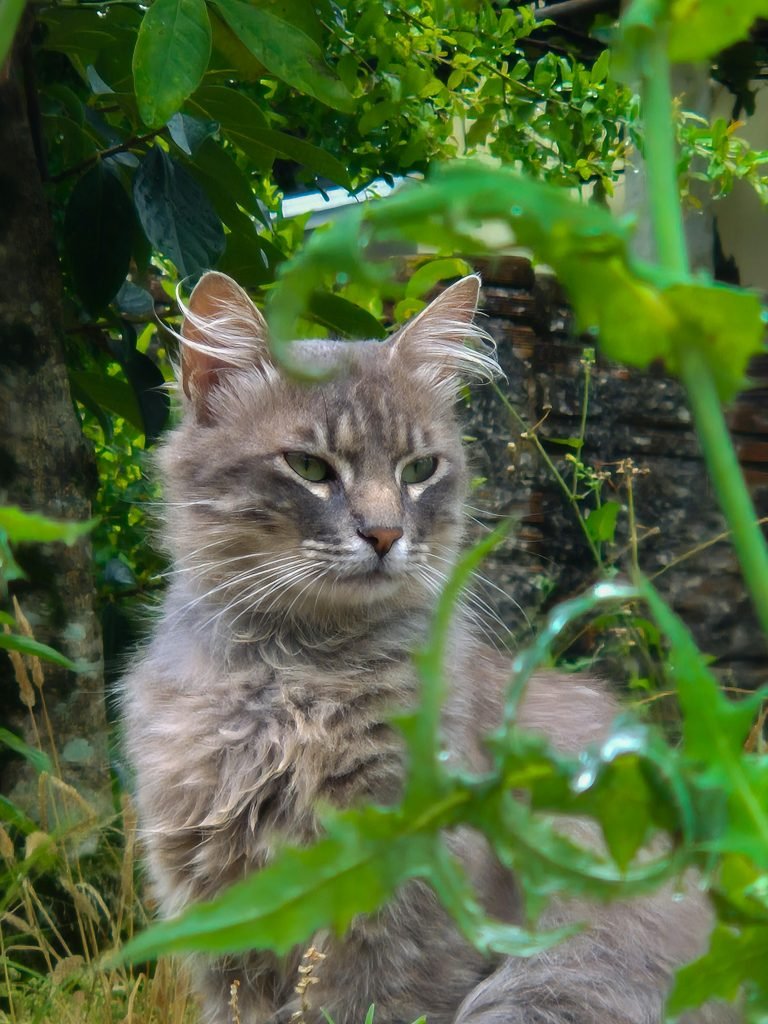
Normal Hairballs in Cats vs Frequent Hairballs
When hairballs become a regular issue, there is almost always an underlying reason. Excessive shedding is one of the most common contributors, since more loose hair leads to more hair being swallowed during grooming. Poor coat quality, obesity, nutritional imbalances, and some medical conditions can all worsen shedding.
Overgrooming is another major factor. Cats may groom excessively in response to stress, anxiety, allergies, skin disease, or pain elsewhere in the body. This increase in grooming often goes unnoticed until vomiting becomes frequent and repetitive.
Digestive motility also plays an important role. The stomach and intestines rely on steady muscular movement to push contents forward. When this movement slows, hair can remain in the stomach long enough to clump together. Dehydration, aging, chronic gastrointestinal disease, and some medications can all interfere with this process.
Diet is another contributor. For normal hairballs in cats, fiber helps move material through the digestive tract, and diets that are very low in fiber may allow hair to linger in the stomach. Over time, this increases the likelihood that hair will accumulate rather than pass naturally.
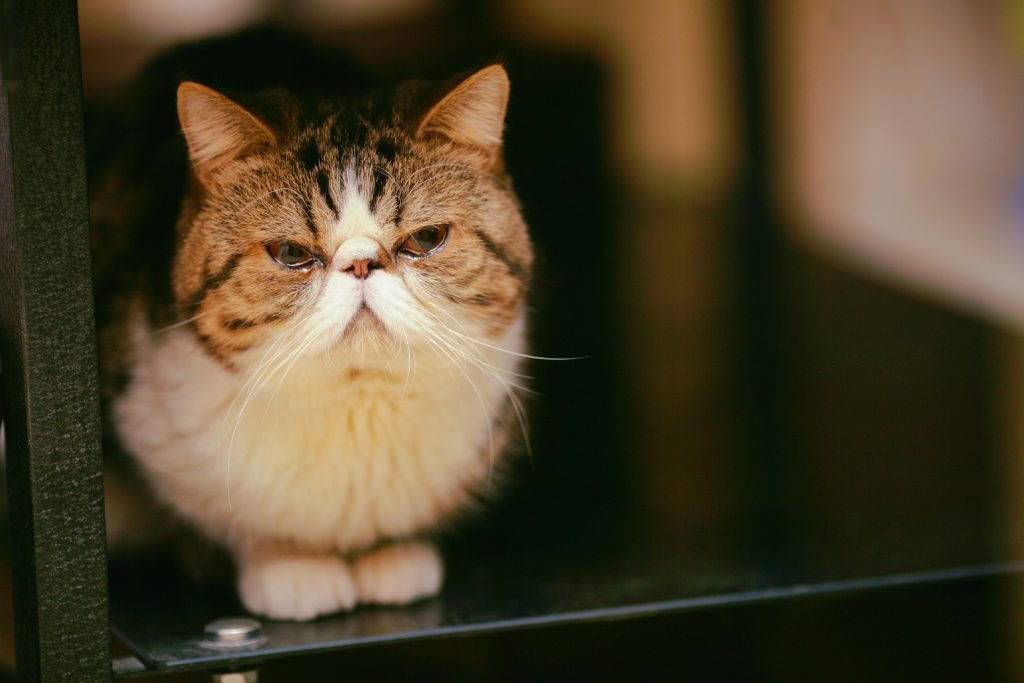
Risks Associated With Hairballs
Normal hairballs in cats are often viewed as unpleasant rather than dangerous, but they are not completely harmless when they become frequent. Repeated vomiting can irritate the esophagus and stomach lining, leading to inflammation and discomfort. Hair that partially passes into the intestines can also contribute to constipation, making bowel movements more difficult.
Frequent vomiting increases the risk of dehydration due to ongoing fluid loss, and in uncommon but serious cases, a hairball can contribute to an intestinal blockage.
A cat that stops eating, becomes lethargic, strains in the litter box, or vomits repeatedly without producing a hairball should be evaluated promptly.
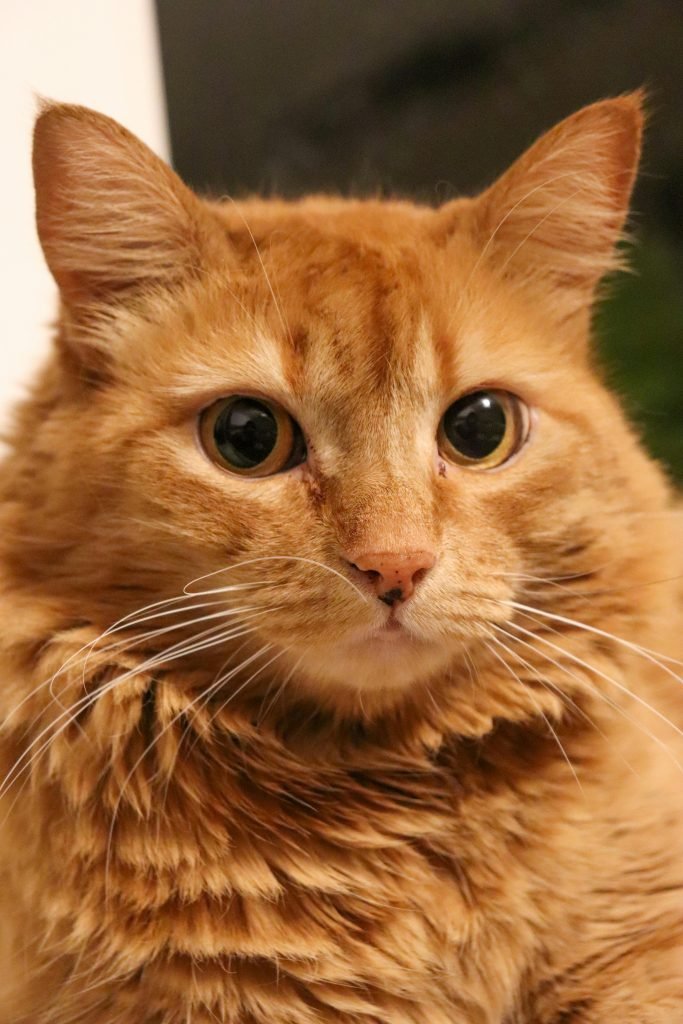
What Owners Can Do at Home
Most hairball issues improve with simple, consistent changes at home. Regular brushing is one of the most effective steps because it removes loose fur before a cat can swallow it. Even short-haired cats benefit from frequent brushing, while long-haired cats may need daily grooming during heavy shedding periods.
Dietary adjustments can also help. Many commercial diets are formulated to reduce hairball formation by supporting coat health and adding fiber to aid digestion. These diets are designed to help hair move through the digestive tract instead of collecting in the stomach.
Hydration plays an important role as well. Adequate water intake helps keep digestive contents moving smoothly. Cats that eat only dry food or drink very little water are more prone to hairball problems, so encouraging hydration through wet food or multiple water sources can make a noticeable difference.
Hairball Remedies and Supplements
Some cats benefit from hairball gels, lubricants, or fiber supplements, especially during periods of heavy shedding. These products work by helping hair move more easily through the digestive tract rather than clumping together. When used appropriately, they can be helpful alongside grooming and dietary changes.
Supplements should be introduced gradually, and guidance from a veterinarian is important, particularly if a cat has other health conditions or takes medication.
When to See the Veterinarian
A veterinary visit is recommended if:
- Hairballs occur more than once or twice per month
- Vomiting happens without producing a hairball
- There are changes in appetite, weight, or energy level
- Vomiting is worsening, persistent, or sudden
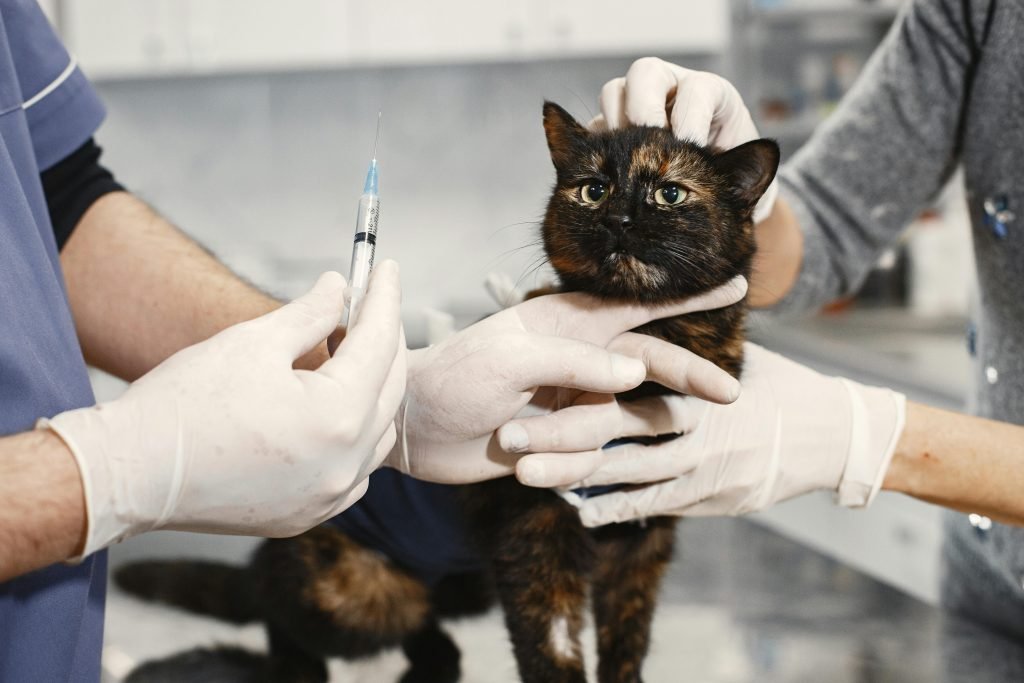
During an evaluation, a veterinarian may assess diet, hydration, coat and skin health, stress factors, and gastrointestinal function to identify the underlying cause and recommend appropriate treatment.
Further Reading
For more background, VCA Hospitals explains hairballs in cats and when they may need veterinary attention.
Best Hairball Remedies for Cats walks through grooming, diet, and product options once you know frequent hairballs are the issue.
Cat Vomiting: Why It Happens Often and When to Worry Now covers the broader picture when vomiting happens more often than hairballs alone would explain.
Was the article helpful?