

Table of Contents
Many people are surprised to learn that indoor cats can still get fleas. If you are asking, “can indoor cats get fleas?”, the answer is yes: living inside lowers risk, but it does not remove every pathway fleas can use to reach your cat. Understanding how this happens helps owners protect their cats with less stress and more confidence.
Fleas do not care whether a cat steps outdoors. They care about warmth, food, and shelter. Homes provide all three. Because of that, indoor cats are not automatically protected, even in clean and well-maintained households.

How Fleas Make Their Way Indoors
Fleas are excellent hitchhikers. They can come inside on shoes, clothing, bags, or visitors who have pets of their own. Dogs that go outdoors, even briefly, are another common pathway. Once a flea is inside, it does not need much time to settle in.
Carpets, rugs, furniture, bedding, and small cracks along floors or baseboards can all become hiding places. A single flea can lay eggs that fall into the environment, leading to a much larger problem before anyone realizes what is happening. This is why flea issues can seem to appear suddenly, even in indoor-only cats.
Signs Fleas May Be Bothering Your Cat
Some cats make it very obvious when something is wrong, including:
- Increased scratching
- Frequent grooming
- Sudden hair thinning
- Irritated or scabby skin, especially around the neck, lower back, and base of the tail
Other cats show much subtler signs. One classic indicator is flea dirt, which looks like tiny black specks in the coat. When these specks get wet, they turn reddish because they contain digested blood. Not every cat with fleas is visibly itchy, so quiet changes in behavior or coat quality still matter.
Why Fleas Are More Than Just an Itch

Fleas are uncomfortable, but the risks go beyond scratching. Cats groom themselves frequently, and during grooming they may swallow fleas. This can expose them to tapeworms, which live in the digestive tract and can cause additional health concerns.
Fleas are uncomfortable, but the risks go beyond scratching. Swallowed fleas can expose cats to tapeworms, and some cats develop flea allergy dermatitis — an allergic reaction to flea saliva that causes intense itching and inflammation from just a few bites.
What to Do If You Find Fleas on an Indoor Cat
Finding fleas can feel overwhelming, especially when a cat never goes outside. The most important thing is to respond calmly and thoroughly. Fleas are manageable, but partial treatment often leads to frustration.
Responding thoroughly makes a real difference:
- Treat all pets in the home at the same time, even if only one seems affected
- Vacuum floors, furniture, and pet resting areas to remove eggs and larvae
- Wash bedding in hot water to reduce reinfestation
- Consider environmental treatment for heavier infestations
Cats are especially sensitive to certain flea-control chemicals. Never use a flea product meant for dogs or other species on a cat — some can be toxic or even fatal. Always use a veterinarian-recommended product made specifically for cats.
Preventing Fleas in Indoor Cats
Prevention is usually easier than treatment. Indoor cats get fleas less often when prevention is consistent, but flea control can still help stop problems before they start, even for cats that never step outside. This is especially helpful in homes with multiple pets or in regions where fleas are common year-round.
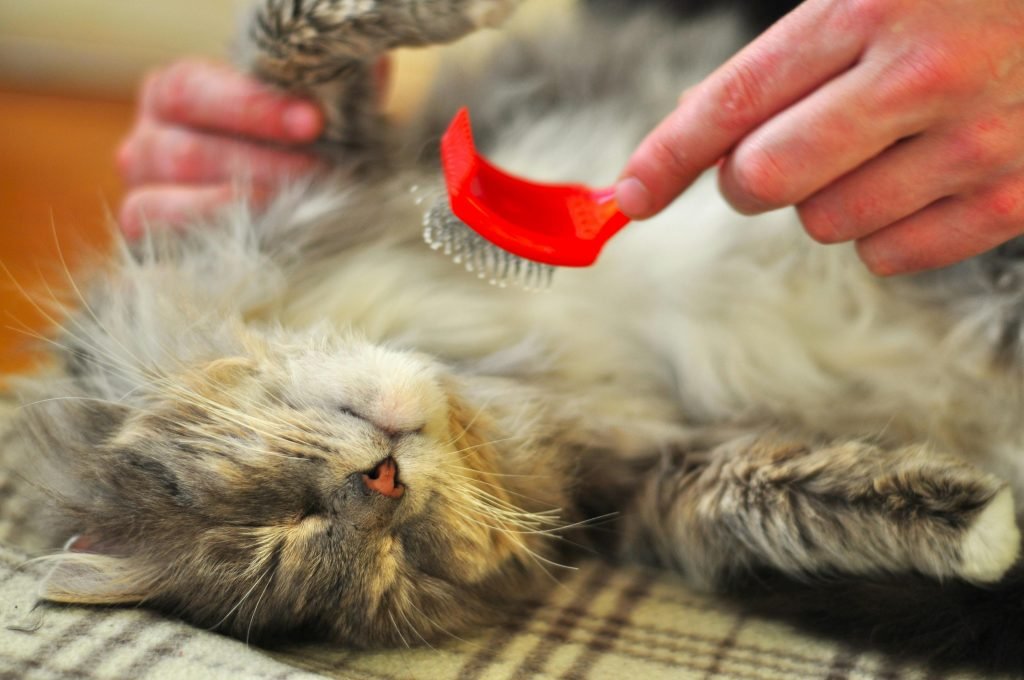
Regular grooming gives owners a chance to spot early changes in the coat or skin. Keeping the home environment clean with routine vacuuming and washing of blankets also supports prevention. No single step works alone, but together they make a big difference.
Choosing Flea Prevention Products
Modern flea prevention options are designed with both safety and convenience in mind. Products may be topical, oral, or wearable, and many protect for weeks at a time. Because indoor cats get fleas through several indirect routes, the right choice depends on the individual cat and household, which is why professional guidance matters when selecting a product. For a veterinary overview of flea risks and control, see the Cornell Feline Health Center guide to fleas.
Can Indoor Cats Get Fleas? Quick Checklist
Indoor cats can get fleas when eggs, larvae, or adult fleas enter the home on dogs, shoes, clothing, visitors, or used furniture. The most practical approach is to combine year-round prevention with regular coat checks, especially if another pet goes outdoors.
- Check for flea dirt around the neck, lower back, and tail base.
- Use cat-safe flea prevention recommended by your veterinarian.
- Treat every pet in the household when fleas are found.
Further Reading
Fleas vs. Ticks: What Every Pet Owner Should Know clarifies how to tell the two apart and why the treatment approach differs.
Natural Flea Treatments. Do They Really Work? examines whether natural options hold up as a substitute for veterinarian-recommended products.
Was the article helpful?