

Table of Contents
If you are holding your dog’s lab report and staring at a column of abbreviations and numbers, some flagged high or low, you are in exactly the place most owners find themselves after a dog blood chemistry panel comes back from routine bloodwork! It can look like a foreign language, and a single starred value can send your mind straight to the worst case.
Let me give you the reassuring frame first. A chemistry panel is a wide snapshot of how your dog’s organs and metabolism are working, and almost no single value on it means anything on its own. We read these numbers together, in context, and against how your dog is actually feeling.
This is the pillar guide to the whole panel. I will explain what each group of values reflects, which abnormalities are usually minor, and where the individual deep-dive articles pick up when you want more detail on a specific number.
What Is a Blood Chemistry Panel?
A blood chemistry panel, sometimes called a serum biochemistry profile, measures chemicals in the liquid part of your dog’s blood. Think of it as a status report from the organs, each one leaving traces in the bloodstream that we can measure.
The panel is different from the complete blood count, or CBC, which counts the actual blood cells. The two are usually run together, and each answers a different question. The CBC looks at red cells, white cells, and platelets; the chemistry panel looks at how the kidneys, liver, pancreas, and metabolism are performing.
A chemistry panel is a snapshot of organ function and metabolism, not a single diagnosis.
It is almost always read alongside the CBC for the full picture.
The exact values on your dog’s report vary by laboratory, but they fall into a few natural groups. Understanding those groups makes the whole page far less intimidating.
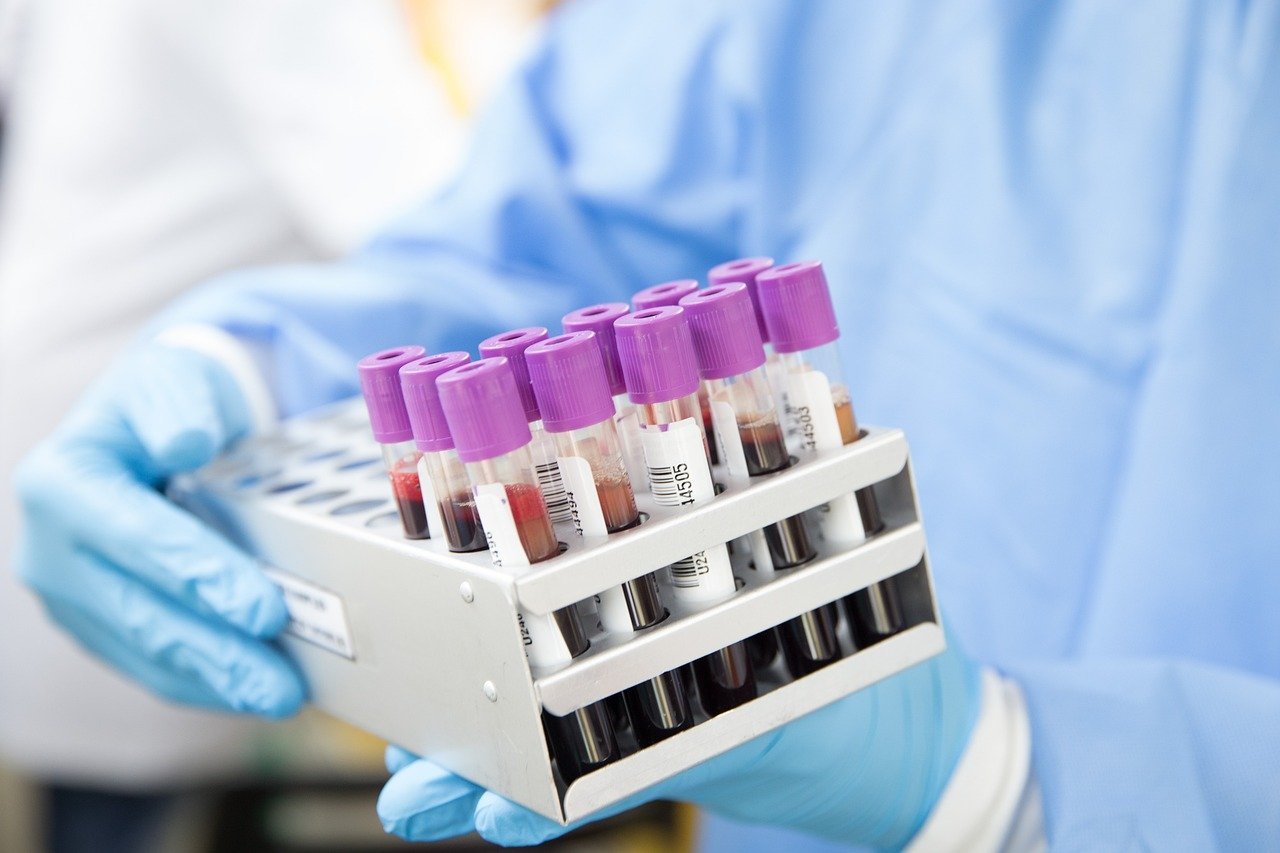
What Do the Kidney Values Show?
The kidney markers reflect how well your dog’s kidneys are filtering waste from the blood. The main ones are BUN (blood urea nitrogen), creatinine (from the Greek kreas, “flesh,” the root of creatine, the muscle compound this waste product comes from), and SDMA, often reported alongside phosphorus.
When these rise together, we consider reduced kidney filtration. When only one shifts, the explanation is often simpler, such as dehydration or a recent meal. This is why a single high BUN, for example, rarely tells the whole story on its own.
If your dog’s kidney values are flagged, our detailed guides on high creatinine, high BUN, and SDMA walk through each one, and Dog Kidney Values covers the normal ranges together.

What Do the Liver Values Show?
The liver markers are enzymes and proteins that reflect the health of the liver and bile system. The common ones are ALT, ALP, AST, GGT, bilirubin (from the Latin bilis, “bile,” + ruber, “red”), bile acids, and albumin.
Enzymes such as ALT and ALP tend to rise when liver cells are irritated or when bile flow is affected. Here is an important reassurance: elevated liver enzymes are common, often mild, and frequently reversible. A raised enzyme signals that the liver deserves a closer look, not that permanent damage has occurred.
Elevated liver enzymes are a signal to investigate, not a diagnosis of liver failure.
For the specifics, see Dog Liver Tests Explained and the individual guides on ALT, ALP, and bilirubin.

What Do Blood Sugar, Protein, and Fats Tell Us?
This group reflects your dog’s metabolism: glucose (blood sugar), total protein and its components albumin and globulin, and cholesterol.
Glucose (from the Greek glykys, “sweet”) is one of the most easily influenced values on the whole panel. The stress of a vet visit alone can push it up temporarily in dogs, which is why a single high reading rarely means diabetes. Protein and cholesterol values add context about hydration, inflammation, and how the liver and other organs are working.
Because these numbers move for so many everyday reasons, they are classic examples of results that must be read in context rather than in isolation. Our guide on high glucose in dogs explains the blood sugar piece in plain terms.

What Do the Electrolytes and Minerals Mean?
Electrolytes (from the Greek elektron, “amber” — the source of “electric” — + lytos, “able to be dissolved”) are minerals such as sodium, potassium, chloride, calcium, and phosphorus that keep your dog’s cells, nerves, and muscles working. They are tightly regulated, so meaningful shifts get our attention.
Calcium and phosphorus, in particular, connect to several body systems, including the kidneys and certain hormones. Potassium matters for the heart and muscles. Most mild fluctuations reflect hydration or sample handling, but larger or persistent changes are worth investigating, since electrolytes sit at the center of so many processes.
Small electrolyte shifts are often hydration or lab variation; larger ones warrant a closer look.
How Do Veterinarians Read the Panel as a Whole?
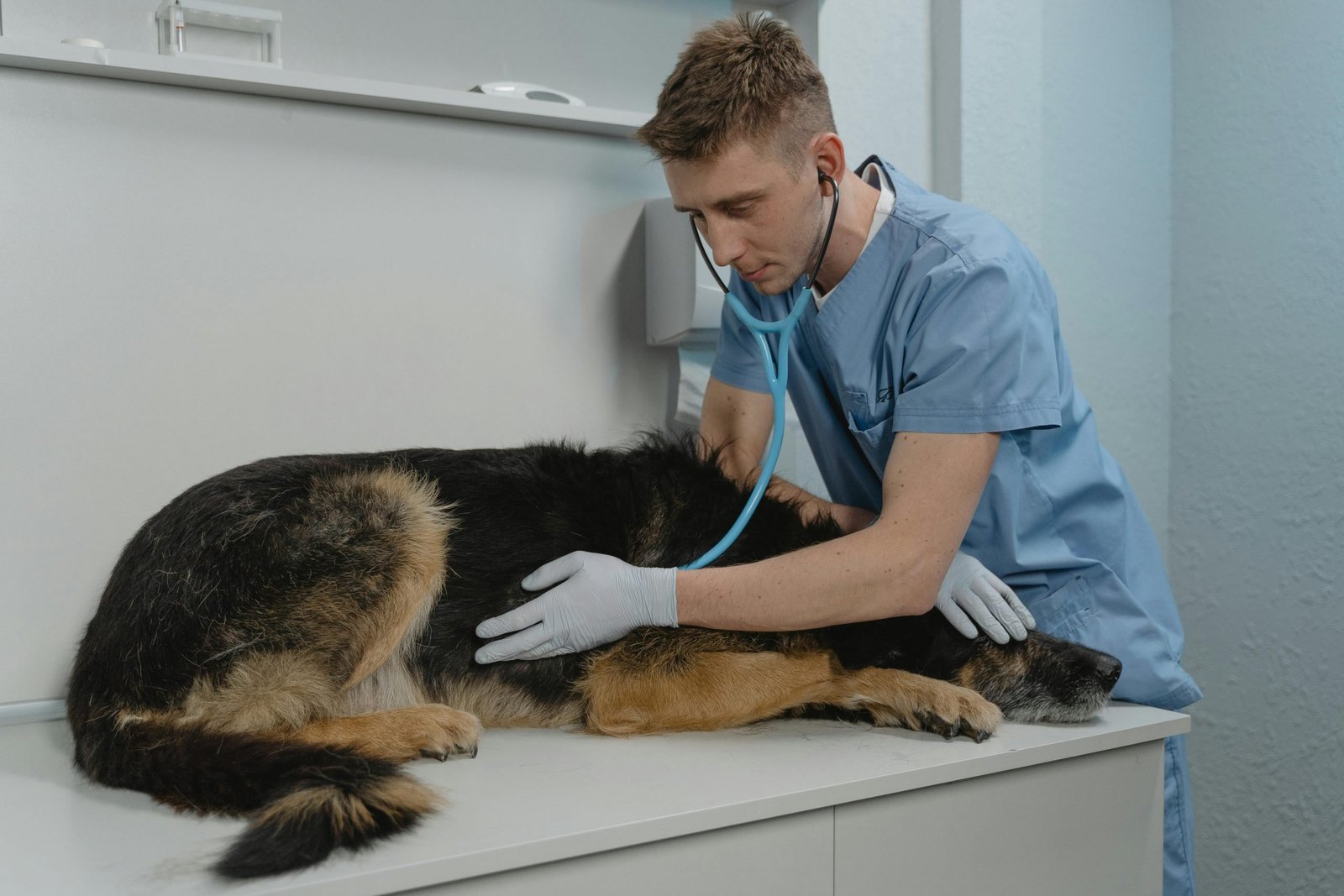
This is the heart of it. We never read one value and stop. We read the whole panel, then set it against your dog’s history, physical exam, and how your dog is behaving at home.
Patterns matter more than single numbers. Two mildly abnormal values that fit a story tell us more than one dramatic-looking result with no supporting context. Trends over time matter even more, which is why a recheck under stable conditions is so often the most useful next step.
| What you see | How we usually approach it |
|---|---|
| One value mildly out of range, dog feels well | Often recheck or monitor; frequently benign |
| Several related values shifted together | Points toward a specific organ system to investigate |
| Big change with symptoms at home | Prompt evaluation, sometimes urgent |
| Same mild change, stable over months | May reflect a compensated, chronic state |
The way your dog is actually doing carries as much weight as anything on the page. A bright, happy, well-eating dog with one starred value is a very different situation from a lethargic one.
What Happens After an Abnormal Result?
The next step depends on which values shifted, by how much, and how your dog feels. Often it is simply a recheck, a urine test, or adding one focused test to clarify the picture. Sometimes it is imaging or a diet discussion. Rarely is it an immediate crisis.
None of this is something you interpret or act on alone. Your own veterinarian knows your dog’s full history and can weigh these numbers properly, which is exactly why the panel is a starting point for a conversation, not a verdict you receive by email.
Your job at home is the part only you can do: notice changes in thirst, appetite, energy, urination, and weight, and share them with you vet. Those observations often shape the interpretation more than the report itself.

Further Reading
Dog CBC Blood Test Explained is the companion pillar to this one, covering the blood-cell half of your dog’s lab report and how it pairs with the chemistry panel.
Dog Kidney Values: Normal Creatinine, BUN, and SDMA zooms into the kidney markers introduced above, with the normal ranges laid out together.
Dog Liver Tests Explained does the same for the liver enzymes and proteins, explaining what a raised enzyme really means.
Dangerous Kidney Numbers in Dogs is the natural next read if any of your dog’s kidney values are markedly elevated and you want to know when a result becomes urgent.
High ALT (Liver Enzyme) in Dogs goes deeper into the enzyme most commonly flagged first on the liver side of the panel.
High Bilirubin in Dogs explains what a raised bilirubin means and when yellowing (jaundice) matters.
Was the article helpful?